After discussing the first category of assets, the article turns to a second group: assets that have practical use but do not generate cash flow.
Use value creates measurable supply and demand data
The key distinction between this group and the first category is use value. Because these assets serve a concrete purpose, investors can draw on a substantial body of data and use it to establish clearer standards for judging an investment.
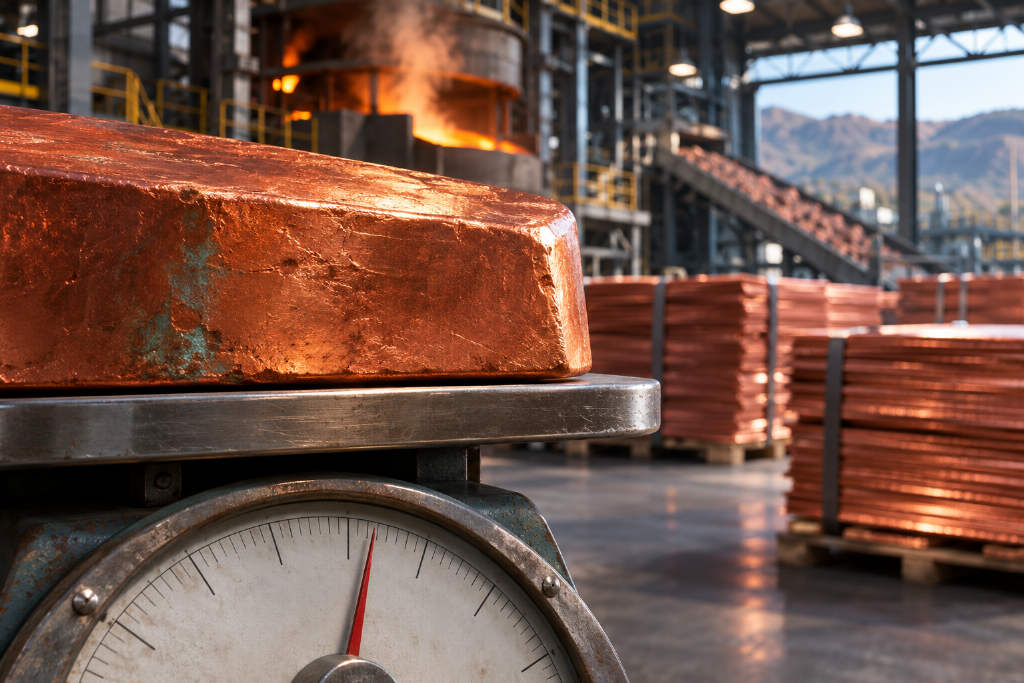
Copper, aluminum, silver, grain, oil and natural gas are examples. Each has an identifiable use and a corresponding supply-demand relationship. Markets have accumulated long-term data around those relationships, including production, consumption, costs, market prices and supply-demand gaps.
Investors can use that information to apply a mean-reversion approach and assess whether an asset may be undervalued or overvalued. If its price moves far from the historical mean and seriously diverges from underlying supply and demand, the price is likely to return toward a more normal level at some point in the future. The gap between the abnormal price and that normal mean is the opportunity an investor may be able to capture.
The article says Warren Buffett has occasionally invested in this type of asset. Its representative example is silver: when the silver supply-demand relationship was particularly tight while the price was severely undervalued, Buffett bought a large amount and later sold as the price returned toward normal, making a substantial profit. The approach relied on the available data and the logical deductions drawn from it.
Investment opportunities in oil and the precious metal platinum, mentioned in the author’s earlier articles, were based on the same reasoning.
Supply and demand limit long-term upside
This category also has a clear ceiling. Historical patterns suggest that, during normal peacetime conditions and in a stable social environment, these assets are unlikely to rise 100-fold over a period of 20 to 40 years.
The opportunity comes from an abnormal spread created by market distortion, not from compounding over time. Such spreads tend to be short-lived. They may last for several months, a year or, at most, a few years. A distortion lasting 10 years or longer is rare.
These assets are mostly industrial products. Once prices move too far from normal levels, market forces begin to correct the imbalance. Excess supply can force some producers out of the market, while unusually strong demand can attract more producers. After a period of adjustment, prices move back toward a normal mean, making it difficult for the abnormal conditions to persist.
That is why these assets generally do not have the conditions required for a 100-fold gain over 20 to 40 years. For many investors, taking part in this market is more like acting on an occasional opportunity than pursuing a long-term compounding strategy. Charlie Munger once joked that Buffett’s silver purchase was a spur-of-the-moment decision to pick up a “cigarette butt.”
Finding the opportunity is difficult
Capturing these opportunities requires sustained attention to the relevant assets, along with a strong understanding of their historical performance, supply-demand relationships and related data. Investors also need the ability to judge that information, so they can identify opportunities before others notice them when market conditions change rapidly.
That task is difficult for most ordinary investors. The assets themselves generally lack the conditions for a 100-fold increase, and most individuals also struggle to identify their short-lived pricing distortions in time. As a result, most investors are unlikely to earn a 100-fold return from this category.
Disclaimer: Markets involve risks, and investors should exercise caution. This article does not constitute investment advice. Readers should consider whether any opinion, view or conclusion in the article fits their own circumstances. Any investment decision made on that basis is the reader’s responsibility.