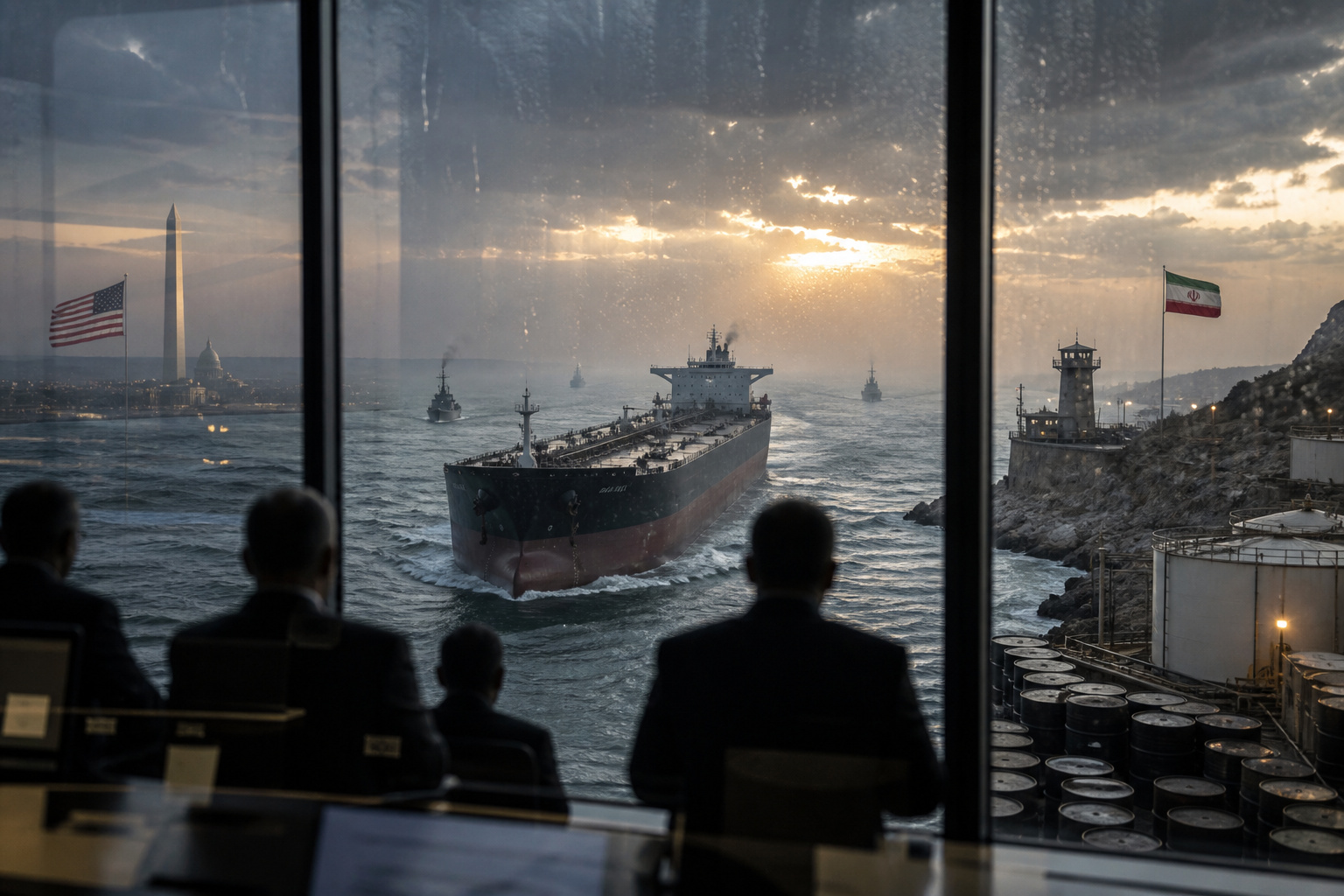
Vice President Vance says the United States has reframed its war aims against Iran: the top priority is no longer preventing Tehran from building a nuclear bomb, but making oil and gas affordable for American households. Treasury Secretary Bessent, in a separate statement, said a new round of economic measures against Iran will be released next week, adding to the pressure campaign. In a Fox News interview on Thursday, Vance said the number-one goal is to ensure consumers across the US can afford energy prices, with blocking Iran's path to a nuclear weapon now the second goal. The comments point to reopening the Strait of Hormuz and restoring global oil flows as among the administration's most urgent wartime objectives. Iran's earlier restrictions on the strait disrupted energy supplies and raised political costs for the Trump White House. With US gasoline prices up, public support for the war sagging, and November midterms approaching, Republicans see the conflict as a potential drag on their campaigns. Bessent promised an economic isolation of Iran unlike anything the world has seen. Iran has offered to reopen the strait on conditions such as ending the war, lifting the US blockade on its ports, canceling sanctions, unfreezing assets, and paying war compensation — terms the White House is unlikely to accept. Separately, heavy US consumption of high-end missiles and other weaponry since the conflict began may constrain any further expansion of military action.
US Vice President Vance said America’s war aim with Iran is no longer led by stopping Tehran’s nuclear weapons program. Now, he said, the top aim is cutting energy bills for US households. Treasury Secretary Bessent said another batch of economic measures against Iran will be unveiled next week.
In an interview with Fox News on Thursday, Vance said the “first priority” is getting oil and gas prices down to levels American consumers can afford. The “second goal,” he said, is making sure Iran never gets a nuclear weapon. That shift says a lot. It points to reopening the Strait of Hormuz and getting global oil supply moving again as one of the administration’s most urgent wartime aims.
Iran had already limited transit through the Strait of Hormuz as a response, throwing global energy supply off balance and piling political pressure onto the Trump administration. And the timing is bad. US gasoline prices are rising, support for the war is slipping, and the November midterm elections are getting closer. Republicans could end up paying for the conflict on the campaign trail.
Bessent said Washington will impose an economic isolation on Iran “the likes of which the world has never seen,” and said the new steps should be released next week. Trump has said the US is dealing with Iran in a relatively restrained way, betting that economic pressure can push Tehran into concessions.
Iran, meanwhile, has laid out its price for reopening the Strait of Hormuz: an end to the war, removal of the US blockade on Iranian ports, cancellation of sanctions, release of frozen assets, and payment of war compensation. Those demands look hard for the Trump administration to swallow. So talks over the strait remain badly split.
Separately, the US military has burned through substantial quantities of advanced missiles and other weapons since the war started, and pressure on stockpiles may limit any wider military move against Iran.
This article was originally published by Bit.Fan. For more cryptocurrency news and market insights, visit www.bit.fan. Disclaimer:
The market information, project data, and third-party content displayed on this platform are for industry information sharing only and do not constitute any form of investment advice or return commitment.
Cryptocurrency trading carries high risks. Users should fully assess their risk tolerance and make independent decisions. All profits, losses, and legal responsibilities are borne by the users themselves.