

WallStreetBets says crypto has spent the past decade building a native market structure for digital assets: spot exchanges, perpetual futures, stablecoins, lending protocols and a full meme-coin economy. That process also trained a generation of users to expect entry at any time, global liquidity and markets that do not stop when U.S. equities close at 4 p.m.
From that starting point, the next large trade for crypto, in its view, is bringing traditional real-world assets onto blockchain infrastructure. Stocks, U.S. Treasuries, public funds, gold, oil and credit products are all moving in that direction.
Real-world assets may start in TradFi, but their trading boundaries are changing
The argument is not that markets need to be reintroduced to names like gold or NVIDIA. The more important change is how people access those assets, when they can trade them and what they can do with them after purchase.
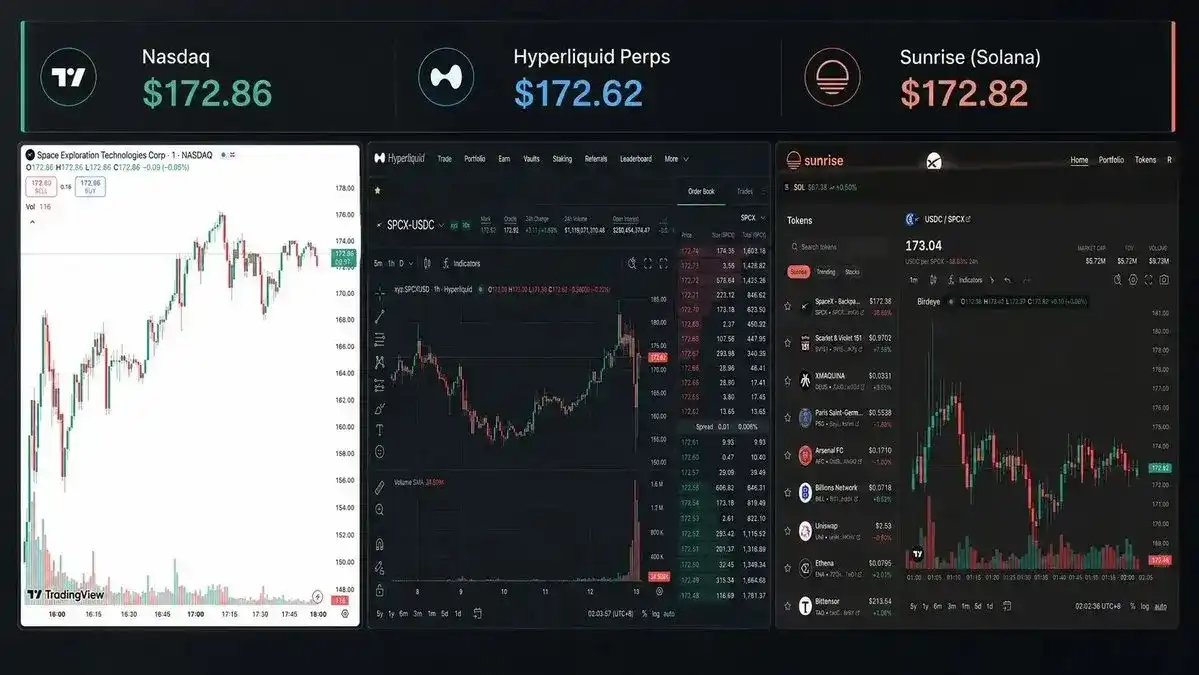
WallStreetBets uses SpaceX, owned by Elon Musk, to illustrate the shift. Its fundraising and secondary-market activity already show a different circulation model for assets. The same economic exposure can appear across traditional brokerages, private markets and crypto platforms at the same time. A brokerage can collect IPO indications of interest, a private platform can offer early allocations to accredited investors, and crypto venues can list SpaceX IPO perpetuals or related tokenized products tied to traders’ views on the company’s eventual opening price.
Some early derivatives could not fully meet demand because the freely circulating underlying supply was too limited. Traders moved across brokerages, private-market platforms, perpetuals and tokenized products just to build exposure. For WallStreetBets, that is the overlooked trend: assets may originate in traditional finance, but the limits around trading and circulation are no longer confined to traditional market structure.
Stablecoins already moved dollars onchain, allowing capital to move globally and settle when banks are closed. Stocks, funds and commodities are now following the same path.
Why tokenization is gaining traction now
WallStreetBets notes that tokenization has been discussed for years, but much of that period stayed at the concept stage. BlackRock CEO Larry Fink once compared the traditional financial system to postal mail and tokenization to email. BlackRock later launched the BUIDL fund, backed by cash, short-term U.S. Treasuries and repurchase agreements. Investors hold a token designed to stay at $1, receive yield in the form of newly issued tokens, and eligible holders can transfer positions between onchain wallets.
Franklin Templeton also put government money fund infrastructure onchain through BENJI. That product has since expanded, working with multiple banks and digital-asset platforms on trading and collateralized financing.
The underlying assets were already there. What tokenization changes, WallStreetBets says, is the ownership registry, the speed of position transfers and the range of financial uses available after issuance.
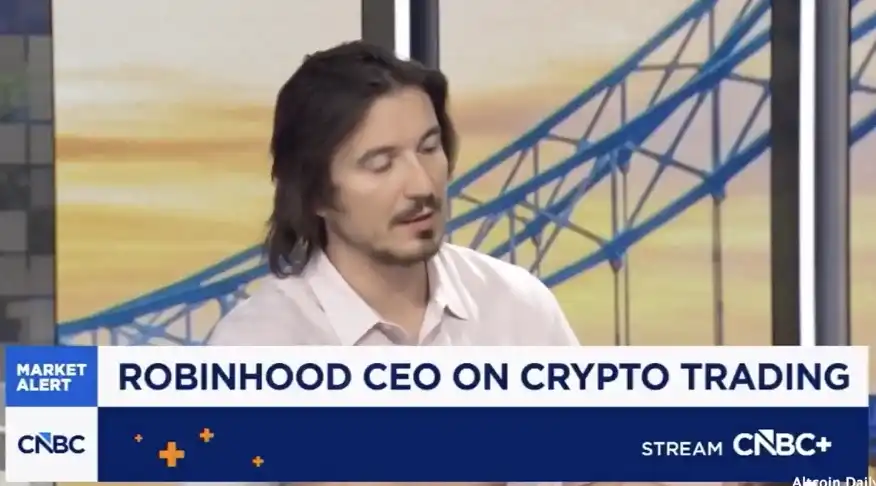
Robinhood has listed more than 200 tokenized U.S. stocks and ETFs for EU users, covering names such as NVIDIA, Apple and Microsoft, with five-day continuous trading.
Plume Network is focused on issuance, offering asset managers one-stop infrastructure to build onchain assets without assembling the full stack themselves. TheoriqAI sits above that layer, building strategy products that can send tokenized assets into onchain lending or treasury-style yield venues.
Only a few years ago, the industry was still debating whether large financial institutions would adopt public blockchains. WallStreetBets says that question has now been answered in practice.
Robinhood CEO Vlad Tenev recently said the biggest opportunity for crypto is not creating more native coins, but becoming the infrastructure layer for real-world assets. Tokenized stocks, futures and private-market assets sit where traditional finance and crypto meet most directly. Robinhood’s push into tokenization has also moved the subject beyond crypto-native circles and into the mainstream.
Airbnb CEO Brian Chesky, according to the piece, has followed tokenization for years and views the core appeal not as the token itself, but as the sharp reduction in trading friction.
That, in WallStreetBets’ framing, is why the theme is heating up. Markets are not buying into tokenization as a word. They are responding to lower-friction financial products. The debate has shifted from whether assets can be tokenized to which tokenized products can keep users over time.
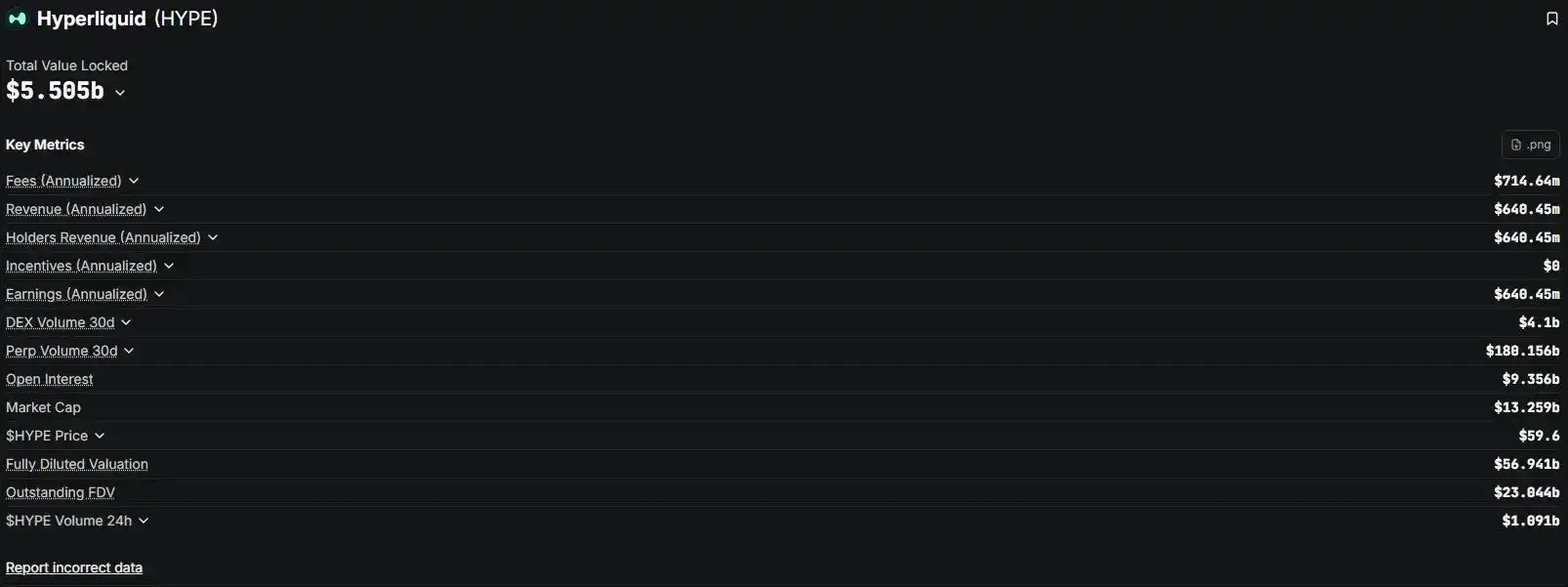
Hyperliquid is presented as proof that 24/7 trading demand is real
WallStreetBets argues that tokenizing real-world assets is no longer mainly a technical challenge. The harder part is retention. HyperliquidX is cited as evidence that traders actively move to venues that are efficient, liquid and open all the time.
Perpetual futures were the first category to scale because they are synthetic instruments. They did not need to solve custody, settlement and every legal and compliance issue all at once before launching new markets.
Tokenizing real-world assets is more involved. Custody, settlement and local regulation all have to line up. Even so, the perpetual market has already shown how strong trader demand is for 24/7 access, and the industry has used that proof point to explore which other market structures can move onchain.
Synapse Protocol is building options-market infrastructure. Its portfolio margin system allows market makers to use Hyperliquid perpetual positions as seller collateral for options, helping hedge price risk in the underlying. WallStreetBets says that structure is especially useful for newer assets. Hypercall has already launched SPCX options with intraday and same-day expiry contracts, offering exposure that is not available on Nasdaq’s central market.
Ondo Finance is extending the model into public markets. Ondo Global Markets connects tokenized U.S. stocks and ETFs to crypto wallets and uses stablecoins as the trading medium. Ondo Perps gives traders 24/7 leveraged exposure through the Ondo ONE system.
For crypto users, the mechanics are familiar: deposit stablecoins, choose the asset and trade it. The open question is what happens after those tokenized assets land in wallets. To keep users, WallStreetBets says, markets need enough liquidity and enough ways for those assets to be used elsewhere.
Stocks may be the easiest consumer tokenized asset to distribute
SpaceX, NVIDIA, Tesla, Apple, Microsoft, Coinbase, Robinhood and the S&P 500 are already widely recognized. That is why exchanges have prioritized stock tokens, according to the piece.
Robinhood first launched tokenized U.S. stocks and ETFs for EU users, then moved into building its own blockchain. The business is no longer just about trading stock tokens inside an app. It is becoming a network for broader onchain asset movement. WallStreetBets says Robinhood has already pushed stock tokens in front of a large retail audience beyond crypto-native users.
Before stock tokens became a core industry narrative, projects such as Streamex were already working in the category.
Bitget is used as a representative example because it shows how tokenized equities can sit inside a crypto exchange account. The exchange rolled out what it calls “Stock 2.0,” using the compliant RWA protocol Reality to issue rTokens. Bitget says rTokens solve several market frictions: direct access to Nasdaq and NYSE liquidity, a 1:1 link to the underlying assets, synchronized dividend distribution and a full settlement process completed within the Bitget ecosystem.
rNVDA and rTSLA are the clearest examples. For traders, familiar NVIDIA and Tesla exposure no longer sits only in a traditional brokerage account. It can be held inside a crypto trading account instead.
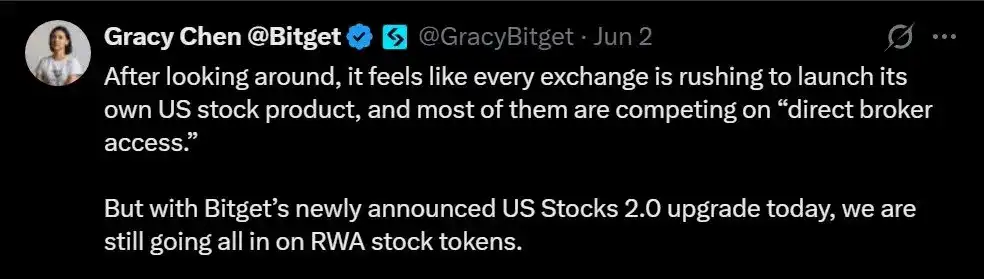
WallStreetBets points out that retail investors could already buy NVIDIA and Tesla through traditional apps. The real change is where those assets sit after purchase and how they can be used. Inside a brokerage account, stocks remain inside the broker’s own system. Inside a crypto exchange account, compliant stock tokens can share the same capital pool as spot positions, margin strategies, grid trading, copy trading and yield products, while dividends are automatically converted into USDT and credited to balances.
That means positions can count directly toward trading capital rather than staying isolated in a separate brokerage bucket.
Bitget’s view, as described in the piece, is that placing stock tokens in the same account system as crypto spot, collateral and derivatives materially increases the assets’ utility.
Bitget executive Gracy said brokerage connectivity can address liquidity and dividends in the traditional model, while Bitget uses tokenization to keep those features and preserve the full set of use cases available inside a crypto account.
Fomo, a crypto trading app, is positioned closer to the mass market. It puts crypto assets and real-world asset exposure into the same mobile interface while focusing on product distribution and asset discovery rather than issuance or market plumbing.
Solana’s RWA activity is starting to show scale
WallStreetBets includes one set of data from the Solana ecosystem: over a six-month period, real-world assets launched on Solana through the Sunrise protocol recorded more than $3.5 billion in cumulative trading volume, 14 million transactions and roughly 221,000 wallet addresses.
Sunrise uses Wormhole’s native token transfer framework to deploy issuer-designated assets onto Solana. Wallets, aggregators and liquidity venues can all connect to the same asset address, avoiding fragmented liquidity across multiple wrapped versions.
The SPCX tokenized product is presented as a working example. Backpack Securities handled compliant securities issuance, and on the day SpaceX listed on Nasdaq, Sunrise deployed the token on Solana. In the first 24 hours, the asset traded more than $50 million across 51 Solana markets. Four-day volume later crossed $100 million.
Backpack handles securities compliance and user asset eligibility. Sunrise connects the asset to Solana traders, liquidity and cross-chain routing. That shortens the path from issuance to trading, but WallStreetBets adds that sustained volume still depends on actual market demand.
Commodities may be the bridge between institutions and retail
WallStreetBets describes U.S. Treasuries as the clearest RWA success case on the institutional side because they can generate stable onchain yield. Stocks are framed as the best retail entry point, with Apple, Tesla, NVIDIA and the S&P 500 all carrying broad recognition. Commodities sit between those two ends of the market. Institutions use them for hedging, reserve collateral, industrial exposure and macro allocation, while retail demand can be packaged in simpler ways.
Gold, oil, silver, copper, natural gas and mineral royalty interests all fall into this category. Traditional commodity markets are already mature. The main access problem has been convenience for ordinary investors.
Holding physical commodities is difficult. ETFs simplified access through brokerage channels. Futures opened the market to professionals. Tokenization creates a third route: assets can circulate outside normal market hours, settle faster and plug directly into onchain finance.
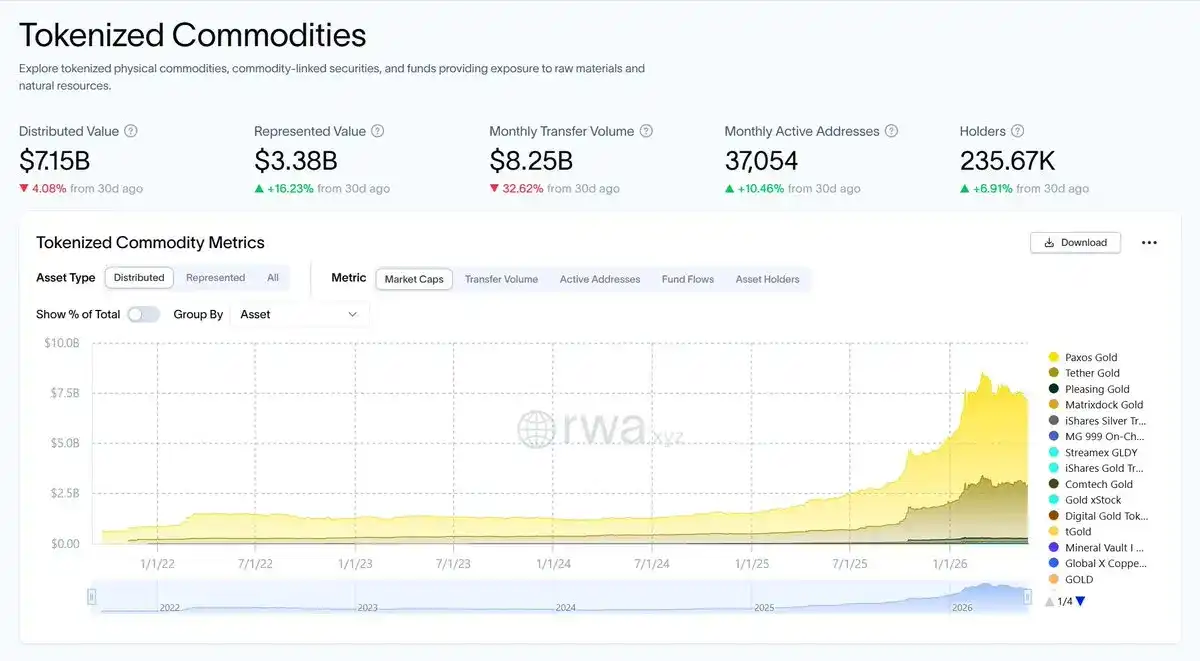
Not every commodity is equally suitable. Oil comes with different benchmarks, storage locations, delivery terms and quality standards. Copper and natural gas bring physical-delivery complications as well. Gold is different. It is globally traded, liquid and priced through a common system, and it already has deep ETF and futures markets. PAXG and XAUT also show that users are willing to hold onchain gold.
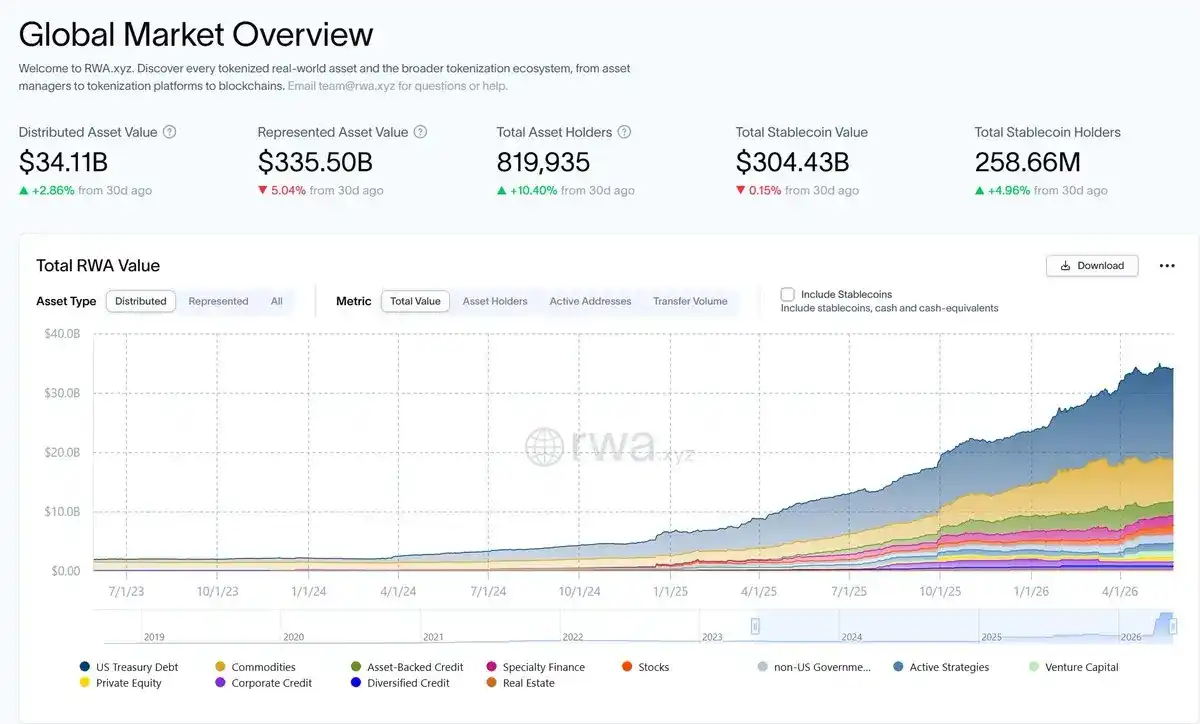
At present, onchain RWA activity is still dominated by U.S. Treasuries. The structure is straightforward: hold short-dated Treasuries and pass the yield through to token holders. Commodity tokenization remains smaller, but the underlying spot markets are enormous.
That is why WallStreetBets sees gold as an ideal test case. It can show whether tokenization improves trading, transfer and yield distribution for commodities, rather than just creating a digital certificate for the underlying asset.
GLDY is built around gold exposure that also pays in gold
Gold has served as a store of value for centuries, but most ways of holding it do not generate cash flow. GLDY is designed around that gap: hold a tokenized gold instrument and receive additional gold-based returns.
Each token corresponds to 1 ounce of standardized physical gold reserves. Streamex says expected distributions are paid in incremental gold, funded by a gold-lending business. According to Streamex’s website, current gold reserves stand at 3,096.6072 ounces.
Those custodied reserves can be leased to compliant businesses in the gold supply chain, including refiners, mints and jewelry manufacturers. The lessees pay lease fees in gold, and those proceeds are then distributed to token holders.
Most tokenized gold products only offer digital custody, WallStreetBets says. GLDY adds a yield layer through gold leasing, creating a different economic model from simply holding a token in a wallet.
Like any tokenized asset, though, viability depends on market structure around the product. Holders need reserve verification, regular distributions and compliant trading access, and they need to know exactly where returns come from.
The platform’s first-quarter 2026 report showed about $14 million in assets under management at quarter-end and 3,096 ounces of gold reserves. The first two monthly distributions paid out a combined 10.48 ounces of gold. Orca and Wintermute serve as infrastructure partners.
GLDY has also partnered with Siebert Financial and tZERO to connect with traditional brokerage channels. Siebert’s wealth-management and institutional clients can access GLDY through existing brokerage accounts, while tZERO provides custody through its compliant digital securities platform. WallStreetBets notes that Siebert manages more than $20 billion in assets, giving the product a broader distribution channel beyond crypto-native users.
Its parent company, Streamex, is listed on Nasdaq under the ticker STEX, allowing public-market investors to hold equity in the platform itself. In July this year, the board approved a stock repurchase program for up to 10 million shares with a maximum repurchase price of $2, reflecting management’s view that the stock materially undervalues the business.
The stack around GLDY is described as relatively complete: Orca provides the secondary market, Wintermute supplies liquidity, Chainlink verifies gold inventory through reserve-data oracles, Aurum handles the data layer and Siebert connects the platform to traditional wealth-management clients.
WallStreetBets says it is tracking three measures in particular: the size of gold reserves, the total monthly gold distributions and whether secondary-market trading volume rises steadily alongside them. In its view, those are the end tests for tokenized assets more broadly.
The token, by itself, is not the product. The real value sits in the trading market and yield framework built around it.
What WallStreetBets wants to watch next
WallStreetBets does not see tokenized real-world assets as a one-way market that lifts everything at once. The stronger focus is on products that genuinely change how underlying assets are used.
For stocks, the question is whether traders keep using tokenized versions when traditional markets are closed, and whether those positions start interacting with the rest of their portfolios.
For capital products, the question is whether they move beyond issuance and begin serving as collateral or building blocks inside other financial products.
Commodities are the most important testing ground in this framework. Holding tokenized gold in a wallet is easy to understand. The harder problem is giving users a compelling reason to choose onchain gold over ETFs or traditional futures.
One month later, are users still trading it? Can the asset move freely across platforms? Do distributions grow in line with the underlying reserves? If those answers are yes, WallStreetBets says a new mature market has started to take shape.
Five years ago, the industry was still arguing over whether traditional financial institutions would accept public blockchains. Now, financial markets are increasingly putting crypto technology to work as infrastructure.
If that trend continues, WallStreetBets believes, every asset may eventually be tokenized.
Traditional markets close on schedule. Crypto markets do not.