
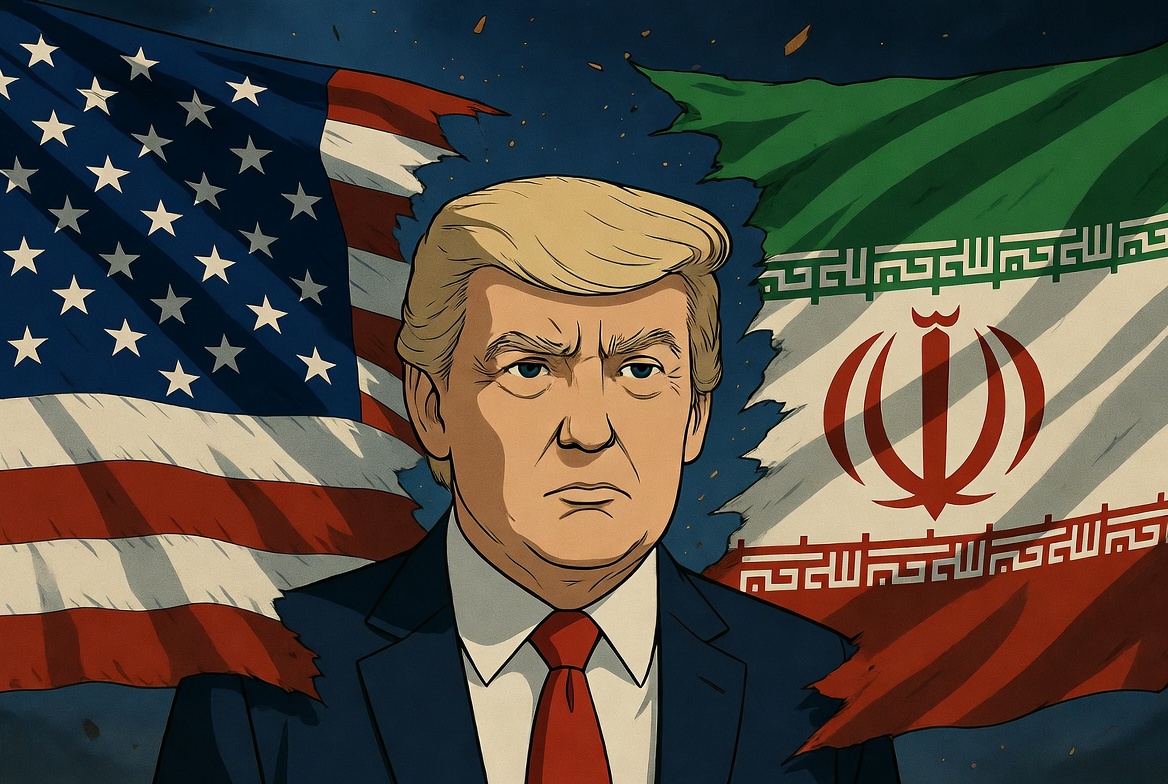
The White House publicly rejected a purported U.S.-Iran peace memorandum after Iranian state media circulated the document, calling it false and fabricated. On May 27, 2026, the White House rapid response account, @RapidResponse47, posted on X that the report was “not true” and that the memorandum released by Iranian media was a “complete fabrication,” adding that “facts matter.”
The statement came after the reported draft spread through global markets earlier in the day. Iranian state television had claimed that Washington and Tehran had prepared a peace proposal that included terms such as a U.S. troop withdrawal and the reopening of the Strait of Hormuz. That headline briefly fed market activity and helped drive a sharp intraday drop in oil prices.
White House moves quickly to deny the report
According to the source material, the White House post also cited Fox News coverage while directly challenging the credibility of Iranian state-controlled media. The language was unusually blunt. The message was simple: the document should not be treated as authentic, and market participants should not rely on the Iranian broadcast as confirmation of an actual deal.
The speed of the response mattered. The draft had already started shaping expectations around a possible diplomatic breakthrough, and those expectations were quickly reflected in commodity pricing. Once the denial was issued, the market narrative tied to an imminent agreement lost much of its footing.
Reported sticking points include inspections and frozen funds
Fox News said the version promoted by Iran conflicted with U.S. negotiating red lines on several major points. One issue was oversight of Iran’s nuclear program, where the U.S. side was described as seeking stricter and more meaningful verification measures. Another was Tehran’s reported demand to unfreeze as much as $20 billion in overseas assets, a concession presented as highly sensitive for Washington. A third gap involved enforcement, with the reported draft lacking strong enough penalty and sanctions provisions in the event of non-compliance.
Those disputes suggest that even if talks are ongoing, that is very different from having a settled framework. On issues such as verification standards and asset relief, public claims can move markets long before any official text is accepted by both sides.
Vance says hope remains, but only with verifiable terms
U.S. Vice President Vance said the administration still had hope that a peace agreement could ultimately be reached. At the same time, he made clear that Washington would not accept a document with major weaknesses or empty commitments. Any agreement, he said, would need “verifiable substantive measures” to ensure Iran could not violate the deal later.
The sequence of events shows how quickly geopolitical headlines can alter trading conditions. Iranian media pushed a draft into the public arena, and the White House answered with an outright denial. That left markets dealing with two sharply conflicting versions of the same story in a matter of hours.