
Fabricated Trading Video Pipeline
A recent Wall Street Journal investigation has uncovered a systematic scheme by Polymarket, the prediction market platform, to lure U.S. users through fake trading videos and cloned websites. According to the report, Polymarket hired dozens of creators—mostly college students—to film themselves placing simulated bets on replica websites, often showing fabricated winnings. These videos failed to disclose the paid endorsement, violating federal advertising laws.
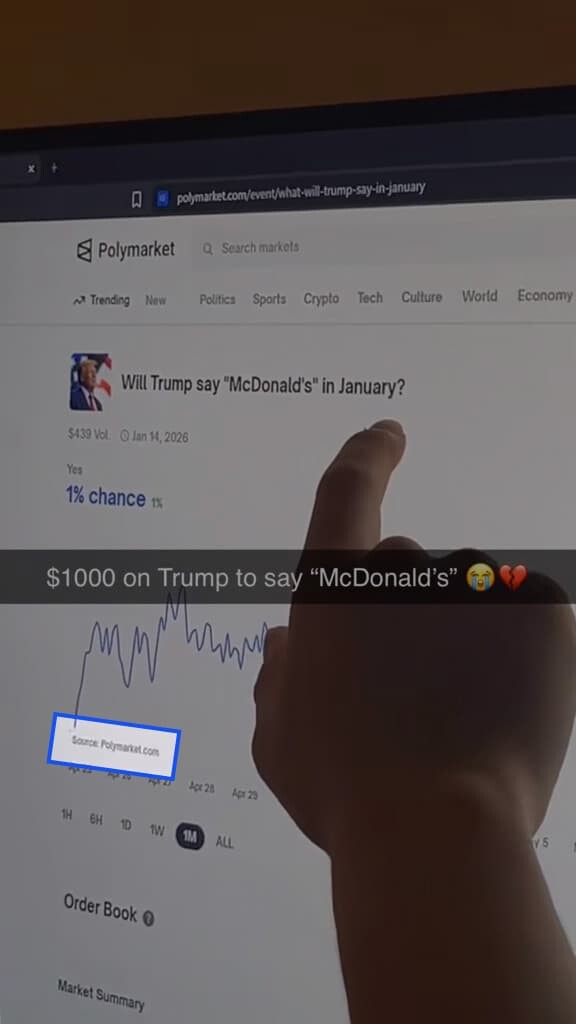
The investigation analyzed over 1,100 videos and reviewed teaching materials and interviews with former creators. One creator, George Makihara, posted videos showing him betting nearly $410,000 in 145 wagers between January and mid-May 2025, claiming a $100,000 win on a Trump saying "McDonald's" bet. In reality, none of the trades were real; Trump never said the word publicly in January. Polymarket's actual website showed over 50 accounts lost money on that bet.
Clone Websites and Fake Profits
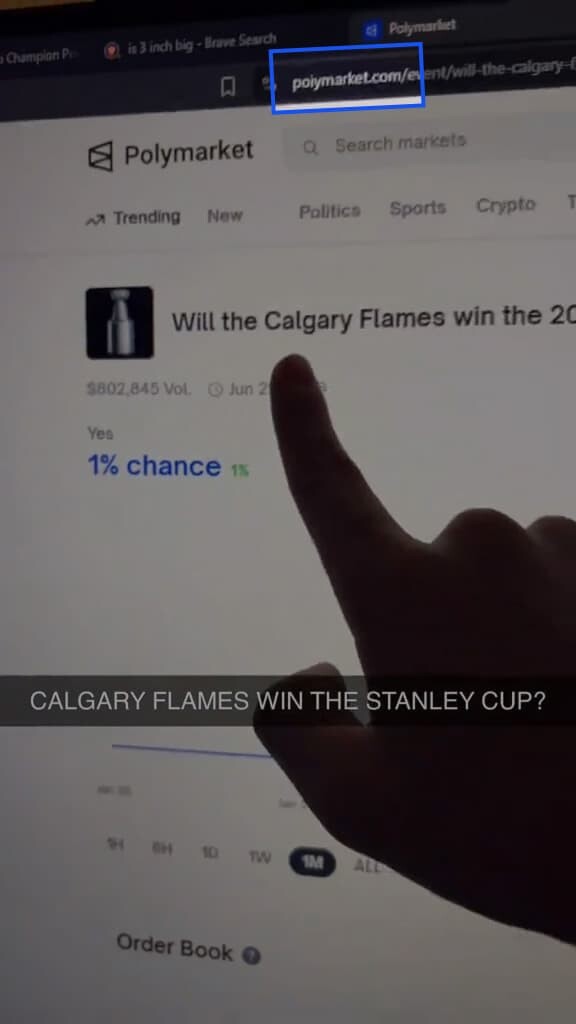
Polymarket created nearly identical clone websites, such as "poiymarket.com" (where the capital "i" resembles Polymarket's domain) to host these simulations. Differences between the clone and real site included source labels on price charts and occasional button errors like "NIR" instead of "NO." The clone site was taken down after the Journal reached out. Creators were instructed to hide the paid nature of their content, earning $2,000–$3,000 per month.
Polymarket worked closely with marketing agency Virality to manage a "slicer" team that reposted and amplified the videos. The campaign specifically targeted U.S. audiences: slicers were paid only if at least 60% of their audience was American. Virality told slicers to make posts look "personal and natural" and banned the word "Polymarket" from usernames. The viral campaign accumulated over 140 million views across TikTok, YouTube, and Instagram.
Paid Promotion and Social Media Army
Despite a 2022 CFTC settlement barring Polymarket from offering its core crypto platform to U.S. customers, the company continued to target Americans via VPN. Creators were told not to disclose the paid partnership. One creator, Razeen Khan, compared the videos to fast-food ads: "You still buy the burger." Polymarket reviewed and required reshoots of videos that were not engaging or looked obviously staged.
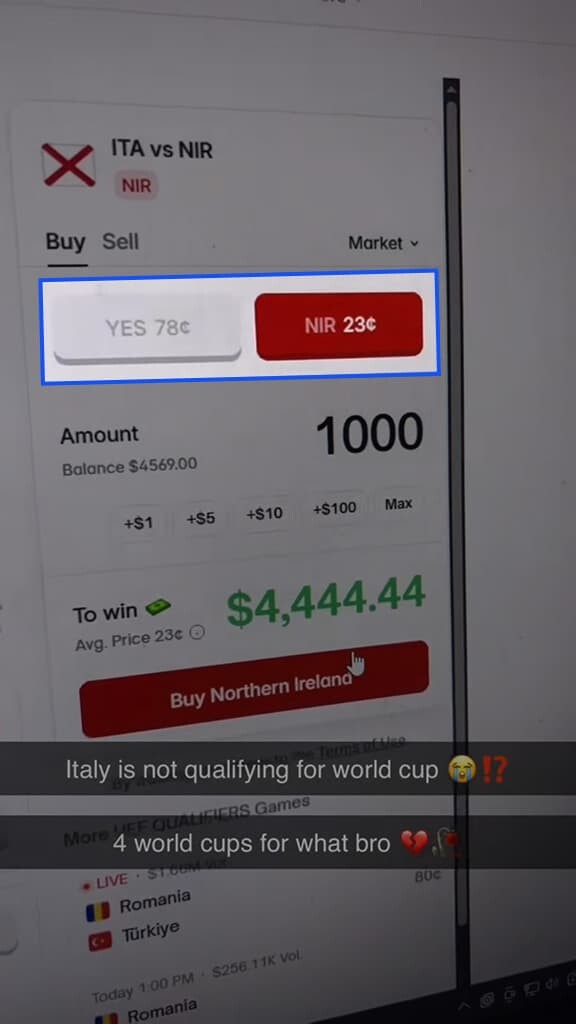
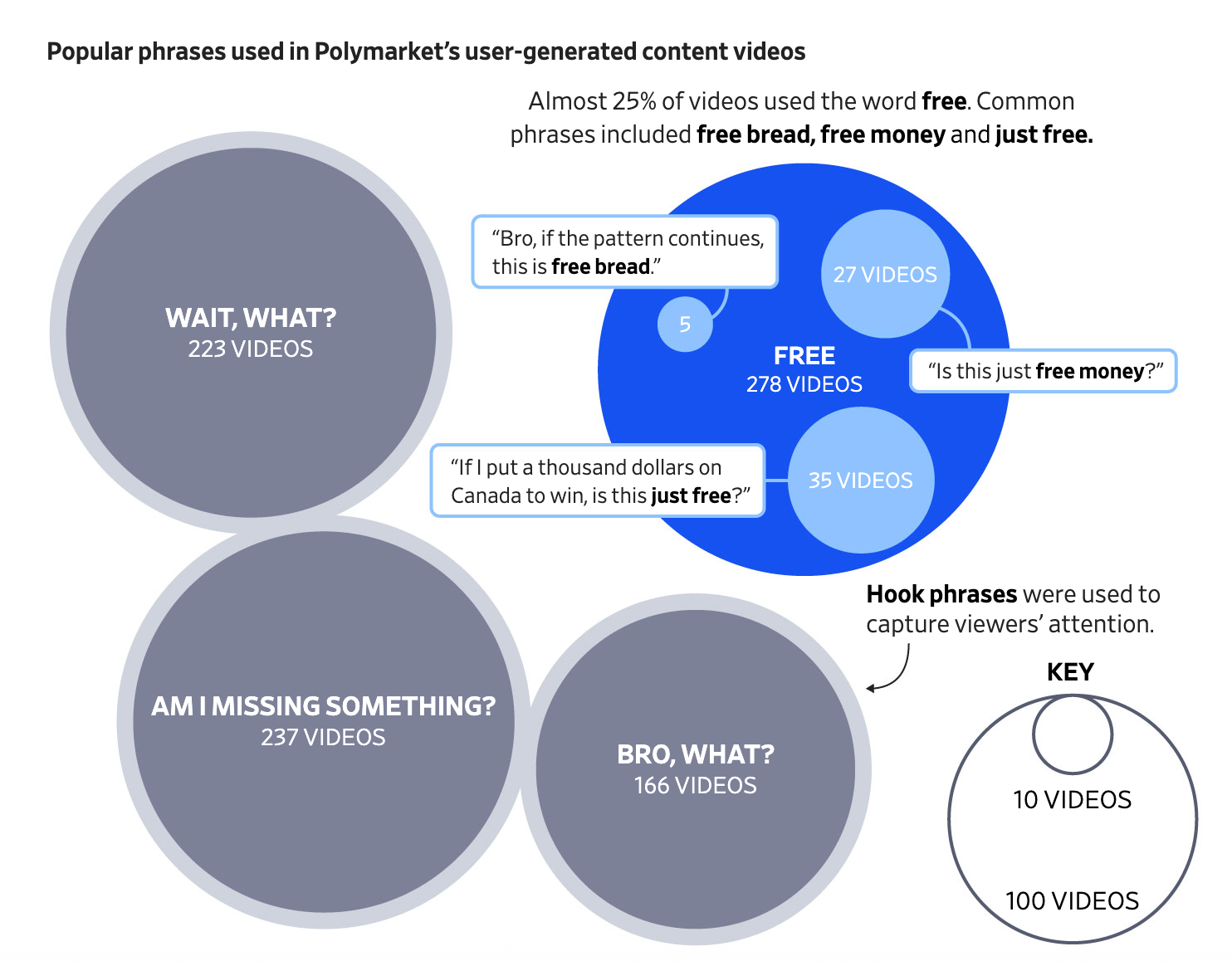
Top creator Haian Nguyen filmed herself betting in her San Francisco bedroom and celebrating a $60,000 win; after the Journal contacted her, she wiped her profile. Nearly 25% of the videos used the word "free," with phrases like "free bread," "free money," and "it's free." Polymarket also recruited an online army to reshare content—a contractor instructed the army to focus on 10 creators including Makihara.
Regulatory and Legal Risks
Federal advertising law requires disclosure of paid endorsements, and commodities law governing prediction markets prohibits deceptive and misleading practices. The FTC declined to comment. The CFTC, which has previously taken enforcement actions against firms using simulated trades, said in a statement that bringing offshore prediction markets back to the U.S. would allow better oversight.
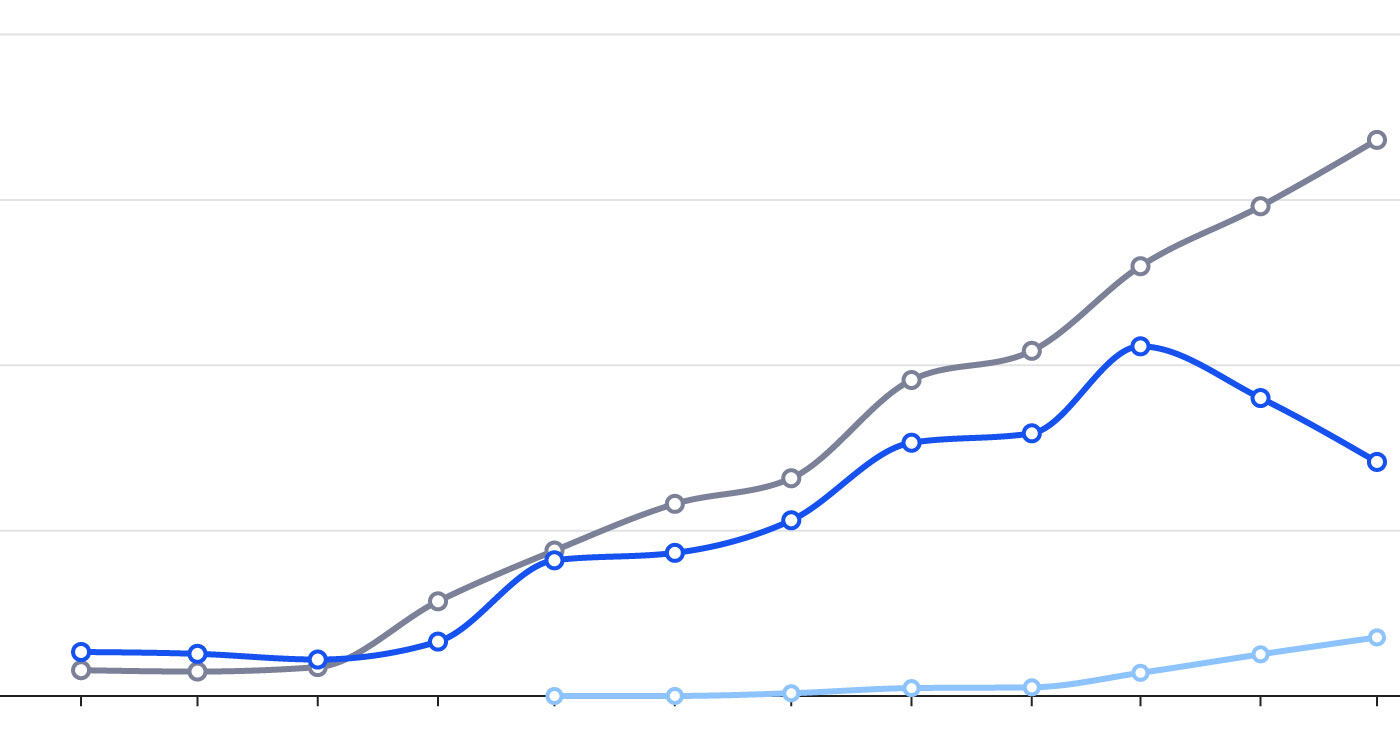
Polymarket is competing with regulated rival Kalshi, which overtook it in monthly volume in recent months. Polymarket launched a U.S.-regulated app last year, but volume remains a fraction of its offshore exchange. The company is now seeking to overturn the 2022 settlement and bring its crypto platform back to the U.S.
Insider Trading and Industry Competition
Polymarket and Virality paid popular streamer Adin Ross, who has millions of followers, to promote the platform. Ross mentioned using insider information to trade on Polymarket in at least five videos. Internal materials show Polymarket paid to promote at least 19 videos discussing insider trading or market manipulation. In response, Polymarket stated it prohibits trading based on stolen or illegal inside information and maintains a market integrity framework.
As the 2026 World Cup approaches, creators began filming themselves trading on the U.S.-regulated app version. Close inspection revealed differences: the official app listed "26 World Cup" while the clone version showed "2026 FIFA 世界杯." TikTok, YouTube, and Meta each stated they would take action against accounts violating their policies.
TikTok's U.S. spokesperson said several accounts identified by the Journal were restricted. YouTube said creators and brands must comply with legal obligations. Meta said it requires disclosure of paid promotions but could not independently verify if these creators were paid. Polymarket said it is committed to accurate and transparent markets and plans a full audit of its promotional content.