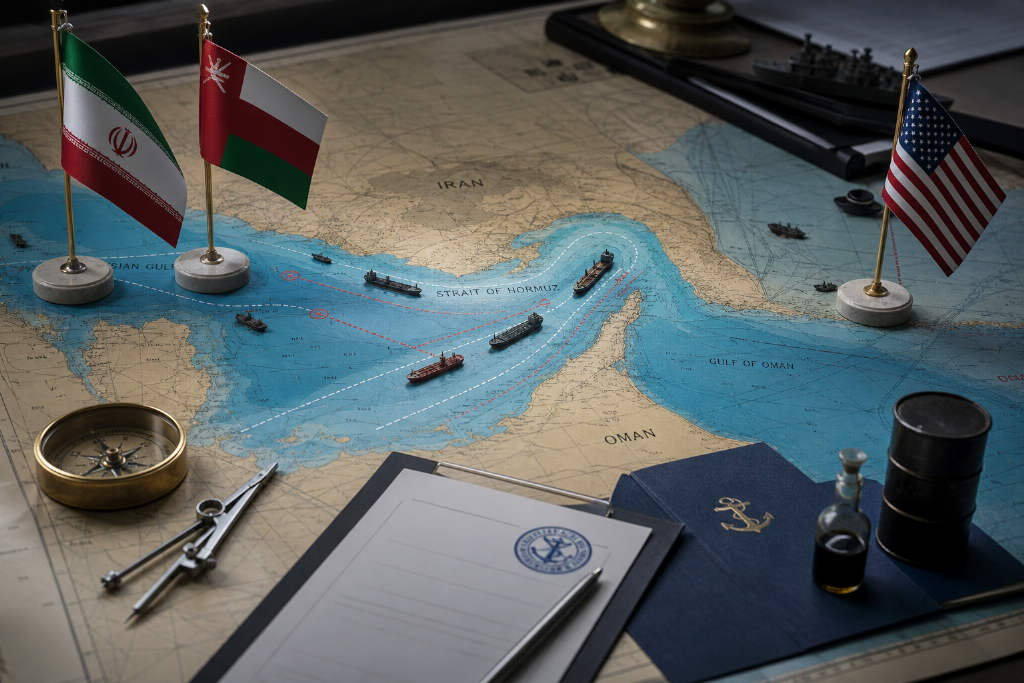
Iran's Foreign Ministry spokesperson Esmaeil Baghaei said on Monday that negotiations with Oman on managing navigation through the Strait of Hormuz have entered the final stage and are expected to be completed within days. The two sides plan to establish a temporary safe passage and submit the arrangement to the International Maritime Organization. Baghaei described the talks as "very smooth" and expressed hope that no third party would interfere. If the deal is finalized, it could facilitate more oil tankers and commercial vessels through the strategic waterway and reduce the risk of Iranian attacks on shipping. Currently, about 7 million barrels of crude oil and refined products pass through the Strait daily, far below the pre-conflict level of about 20 million barrels per day. However, the agreement may also strengthen Iran's control over the Strait. The United States wants the Strait to return to pre-war free passage, and the two sides remain divided. The Iran-US conflict has entered its seventh month, and the blockade continues to push up oil, fuel, and gas prices, exacerbating global inflation. U.S. diesel prices have hit record highs, putting political pressure on the Trump administration.
Iran Foreign Ministry spokesperson Esmaeil Baghaei said Monday that talks with Oman over managing navigation through the Strait of Hormuz are in the final stage and should wrap up within days, Bloomberg reported. The two sides want to set up a temporary safe passage and then submit the arrangement to the International Maritime Organization for filing. Baghaei called the negotiations "very smooth" and said he hoped no third party would interfere.
If the deal gets done, it could persuade more oil tankers and commercial vessels to move through the globally critical energy chokepoint and lower the risk of Iranian attacks on shipping. Right now, about 7 million barrels of crude oil and refined products pass through the Strait each day. That is a steep fall from the pre-conflict level of about 20 million barrels per day. But the agreement could also tighten Iran's de facto control over the Strait, since Tehran and Muscat are trying to strengthen navigation management.
The United States, by contrast, wants the Strait of Hormuz restored to its pre-war condition of free passage, and the gap between the two sides is still plain. The Iran-US conflict is now in its seventh month, and the blockade of the Strait has kept pushing up prices for crude oil, fuel, and natural gas. So global inflationary pressure keeps building. At the same time, U.S. diesel prices have reached record highs, and rising energy costs are putting heavier political pressure on the Trump administration.
This article was originally published by Bit.Fan. For more cryptocurrency news and market insights, visit www.bit.fan. Disclaimer:
The market information, project data, and third-party content displayed on this platform are for industry information sharing only and do not constitute any form of investment advice or return commitment.
Cryptocurrency trading carries high risks. Users should fully assess their risk tolerance and make independent decisions. All profits, losses, and legal responsibilities are borne by the users themselves.