US Crypto Apps Showdown: Coinbase, CEX.IO, Kraken, Binance, Crypto.com Compared
A detailed comparison of five major US crypto trading apps—Coinbase, CEX.IO, Kraken, Binance, and Crypto.com—covering fees, features, security, and usability.

A detailed comparison of five major US crypto trading apps—Coinbase, CEX.IO, Kraken, Binance, and Crypto.com—covering fees, features, security, and usability.

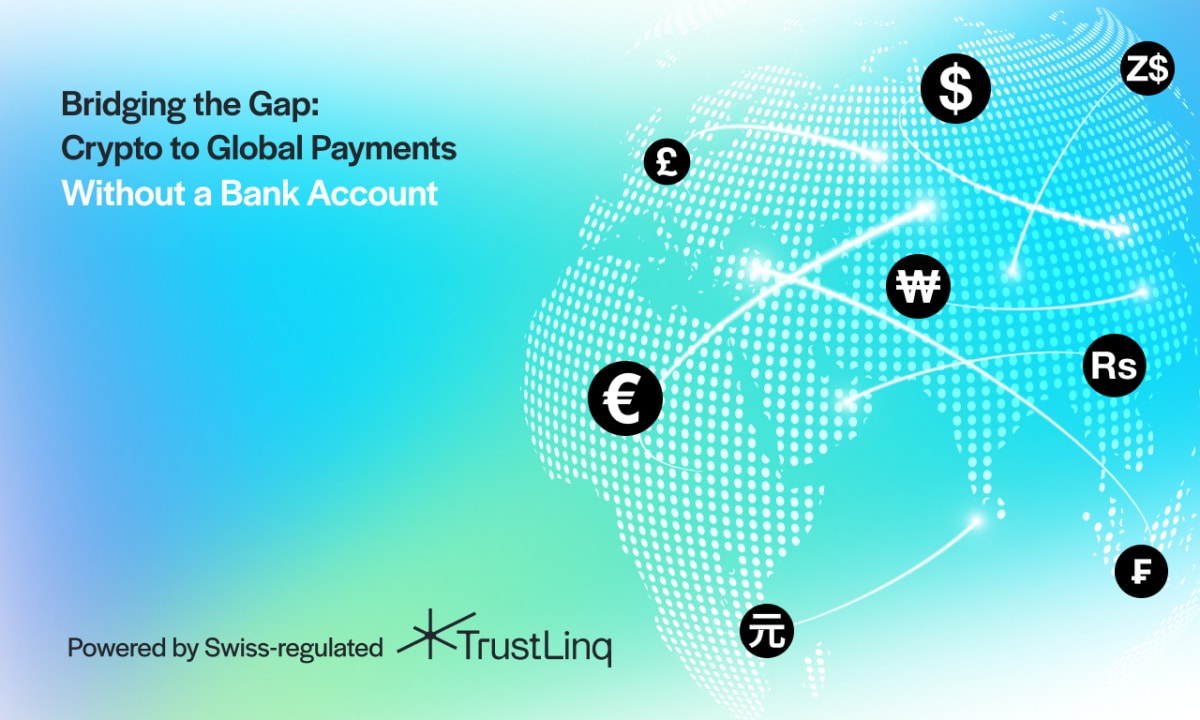
TrustLinq has launched a Swiss-regulated crypto-to-fiat payments platform that lets users send fiat directly from crypto holdings in more than 70 local currencies, targeting both personal and business payment use cases.

Artemis data shows stablecoins processed $7.2 trillion in February 2026, topping ACH at $6.8 trillion and far exceeding Visa’s $1.2 trillion.

The source outlines five main ways to sell Bitcoin for cash, from centralized exchanges and OTC desks to P2P platforms, DEXs, ATMs, and gift cards, with a focus on limits, fees, timing, and compliance.

Binance's Word of the Day page for March 29, 2026 lists answer candidates for the AI Trading theme, covering 3-letter to 8-letter words, along with gameplay steps, extra chances, and reward details.

The source outlines how users convert Bitcoin into fiat through exchanges, Bitcoin ATMs, P2P platforms, and crypto debit cards, with CEX.IO used as an example for verification, selling, fees, and withdrawal methods.

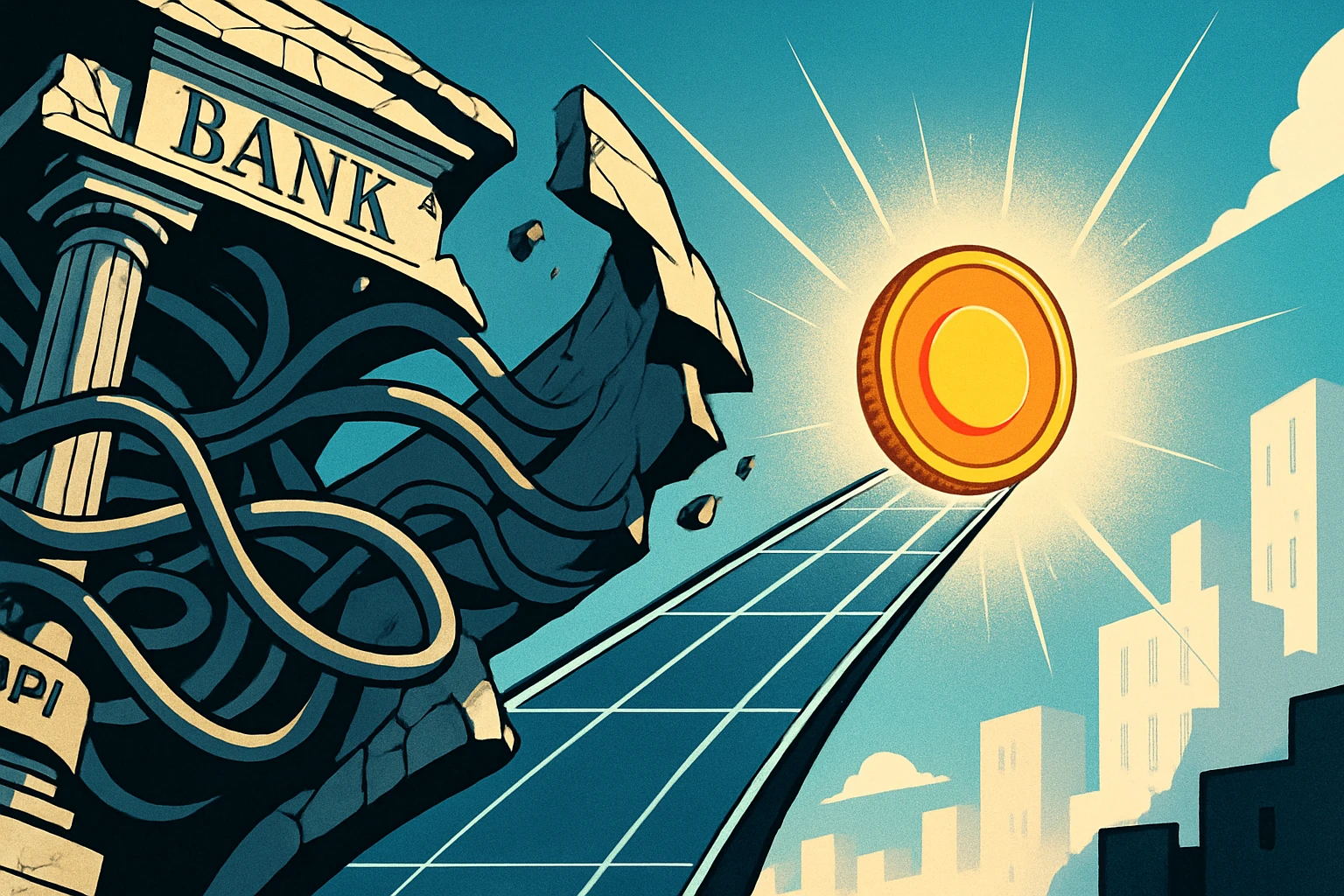
Stablecoins are reshaping fintech by replacing legacy banking rails with open, programmable networks, slashing startup costs and enabling hyper-focused, niche financial services.

Crypto cannot be sent straight to a bank account. Users usually need to deposit coins to an exchange, sell for fiat, and withdraw through rails such as SEPA, SWIFT, ACH, or Faster Payments.