Wall Street Reprices AI Trades as M&A, Earnings and Delivery Timelines Face Harder Scrutiny
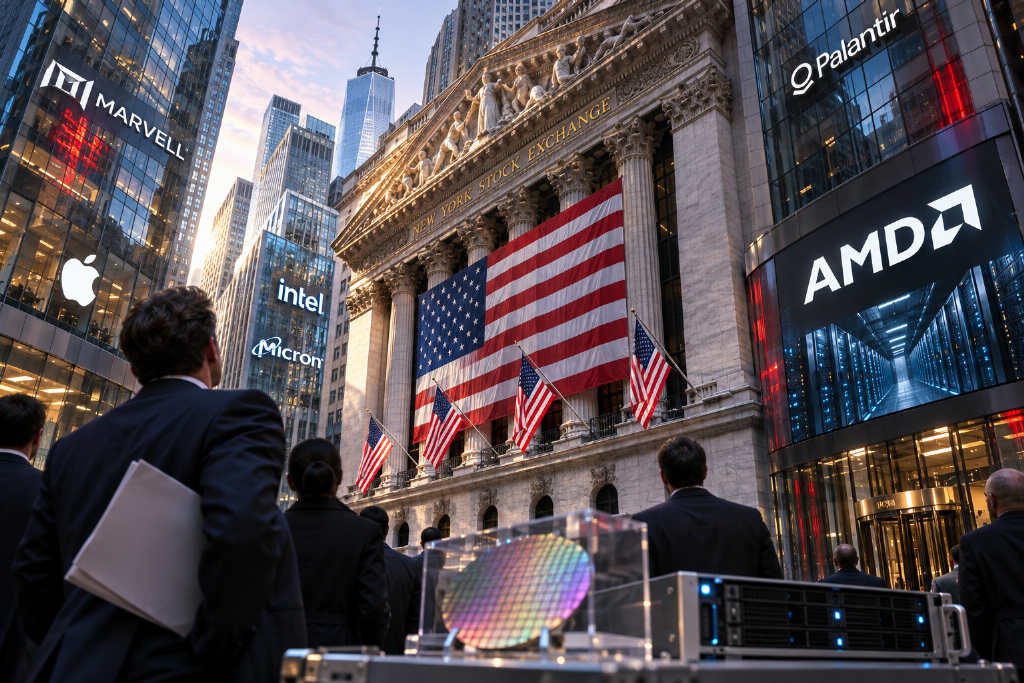
U.S. stocks showed a sharp split on Nov. 2. The major indexes were relatively stable, but AI-linked names sold off much more aggressively, with Marvell, AMD, Intel and Micron all posting steep declines. The move did not signal a collapse in belief around AI demand. Instead, investors appeared to shift their focus toward a narrower set of questions: how long spending can keep rising, whether orders will hold, and whether new revenue can offset depreciation, energy, equipment and R&D costs. That shift was visible in Marvell’s all-stock acquisition of Lumentum, a deal carrying an implied enterprise value of about $115 billion. While the industrial logic of combining electrical and optical interconnect capabilities is clear, the market quickly focused on dilution, execution risk, a closing timeline that stretches into the first half of 2028, and whether more than $1 billion in annual cost synergies can actually be delivered. Lumentum’s own results were strong, yet both companies’ shares fell as investors repriced the stock-based consideration. Apple and Palantir offered a similar lesson from a different angle. Both reported results above expectations, but neither received a positive stock response. In Apple’s case, attention shifted to margin compression and rising operating expenses tied to AI-related investment. For Palantir, the issue was valuation: strong growth was already heavily reflected in the stock. With AMD set to report next, the market is looking less at headline beats and more at shipment timing for MI450 and Helios, plus the path from AI demand to margins and cash flow.