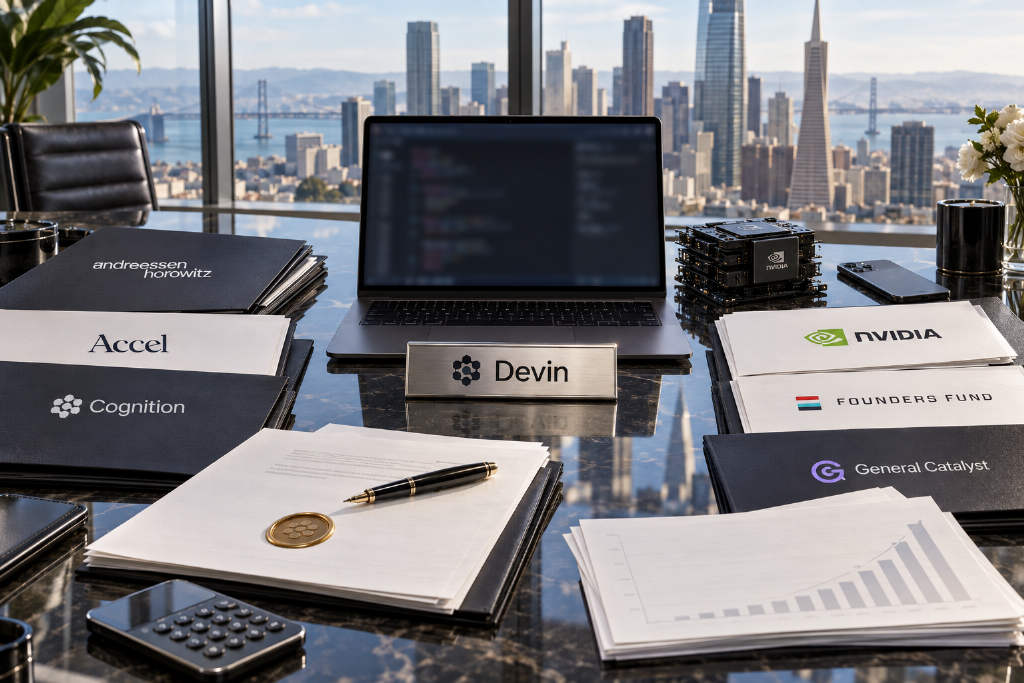
Andreessen Ho2026-09-10 01:03:43Andreessen Horowitz and Accel co-lead Cognition’s more than $2 billion Series EForbes reported that Andreessen Horowitz and Accel co-led an over $2 billion Series E round for AI coding agent company Cognition, lifting its valuation to $48 billion. That marks a sharp increase from the $26 billion valuation the company held four months earlier. More than 30 investors joined the round, including Founders Fund, General Catalyst, Avenir, and Nvidia. Cognition’s AI coding agent product, Devin, has seen operating revenue rise from $492 million in May to nearly $900 million. The Information projected that its annualized revenue could reach $4 billion to $5 billion by the end of the year.800
AI2026-09-09 02:41:59Cognition annualized revenue rises to nearly $900 millionU.S.-based AI coding startup Cognition has lifted its annualized revenue from $492 million to nearly $900 million, according to a Techub News item citing Tech in Asia. The new figure marks an almost twofold increase from the earlier level. Separately, the company recently completed a $2 billion funding round led by Andreessen Horowitz, known as A16z, and Accel. The update centers on two disclosed points: a sharp increase in annualized revenue and the completion of a large new financing round. No additional operating details were provided in the source text.280
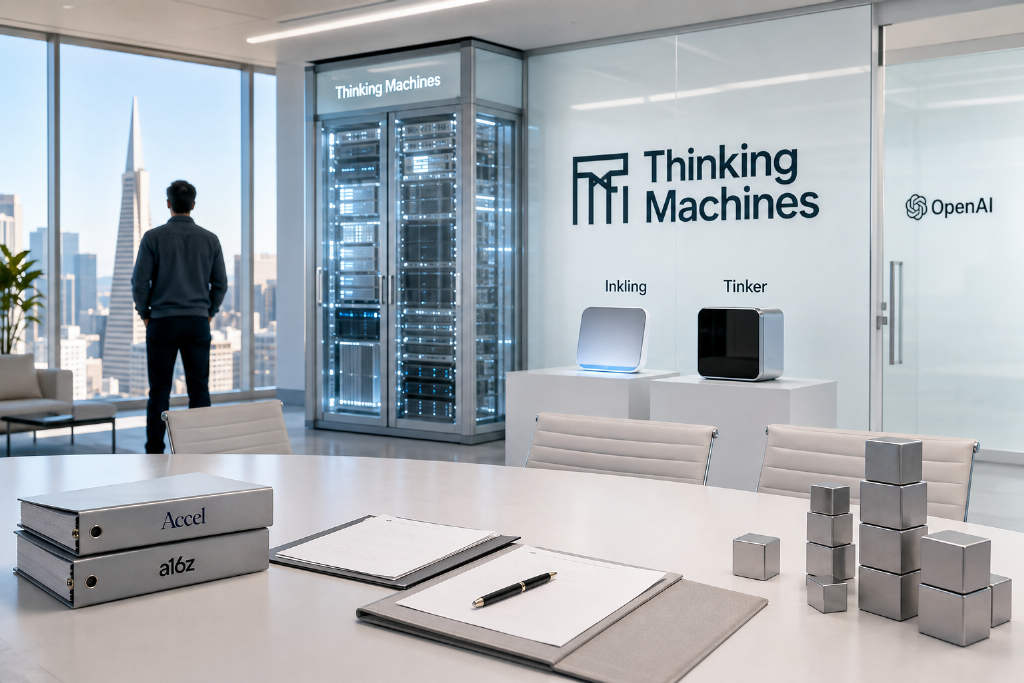
AI2026-09-04 01:09:58AI Lab Founded by Former OpenAI CTO in Talks for $1B at $40B ValuationThinking Machines, the artificial intelligence lab founded by former OpenAI chief technology officer Mira Murati, is in talks to raise $1 billion at a valuation of at least $40 billion, according to a TechCrunch report. Existing investor Accel would lead the new round. The proposed valuation is roughly 3.3 times the $12 billion valuation set in the startup's previous fundraising, when it collected $2 billion in a round led by a16z with Nvidia, GV and other investors participating. Thinking Machines was founded early last year. In July it released Inkling, an open-weight model, and it charges for the compute power consumed by users of its Tinker platform; annualized revenue has surpassed $100 million. Since the company's previous financing, several of its co-founders, including Lilian Weng and Luke Metz, have returned to OpenAI. If the current negotiation is completed on the terms reported, the company's valuation would be below the $50 billion target that appeared in reports late last year.1260
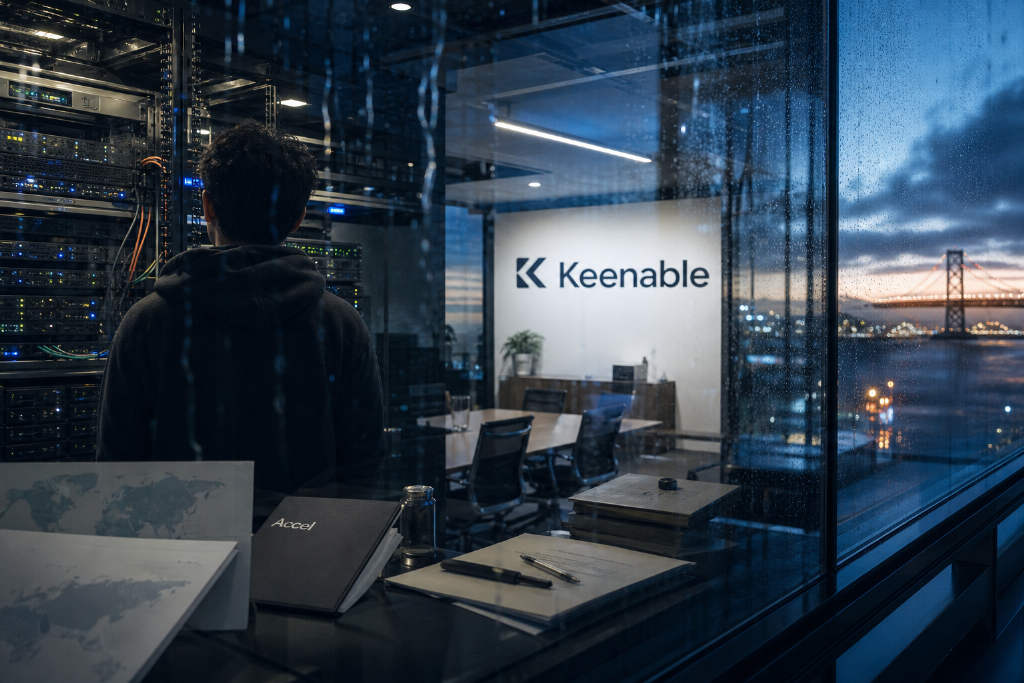
Keenable2026-08-25 13:01:21Accel-backed Keenable raises $26 million seed round to build search indexes for AI agentsKeenable, a startup backed by Accel, said it has raised a $26 million seed round as it comes out of stealth. The company is building a large web search index designed for AI agents. The announcement was reported by TechCrunch and carried by Techub News. No other funding terms were disclosed in the input.320
AI investment2026-08-16 03:24:08AI Cuts Startup Costs but Makes Top-Tier Venture Stakes More ExpensiveAccel’s latest $3.5 billion fundraise, announced on Aug. 11, came just four months after it raised a $5 billion late-stage fund, giving the firm $8.5 billion in fresh capital to deploy into what it calls an AI “supercycle” still in its early innings. The contradiction at the center of the market is becoming clearer: AI tools are helping startups build products and validate business models with smaller teams and less upfront spending, yet the price of buying meaningful ownership in the best AI companies is rising fast. Data cited from Carta show smaller startup teams, lower headcount at later stages, and a funding market that is splitting in two. Lightweight companies can get started with less money, while elite AI startups founded by researchers and executives from places such as Google, DeepMind, and OpenAI are raising unusually large seed rounds at valuations once reserved for growth-stage businesses. Carta and Crunchbase data also point to capital concentrating in a narrow group of leaders, with later-stage rounds gaining share and mega-rounds taking a growing portion of venture dollars. For venture firms, the issue is no longer just getting into a coveted deal. It is having enough capital to keep up as valuations climb and dilution falls.1280