BackEIP-7702

EIP-7702

Ethereum
2026-07-09 03:18:30

Ethereum Confirms May 7, 2025 Mainnet Launch for Pectra Upgrade

Ethereum core developers have set May 7, 2025 as the mainnet launch date for Pectra after a successful Hoodi testnet run. The upgrade targets lower fees, higher blob capacity, better account functionality, and stronger coordination between Ethereum’s execution and consensus layers.

170

Ethereum Confirms May 7, 2025 Mainnet Launch for Pectra Upgrade
Quantum Compu
2026-07-07 09:02:12

IOSG Says Q-Day Countdown Puts Bitcoin and Ethereum Under Post-Quantum Migration Pressure

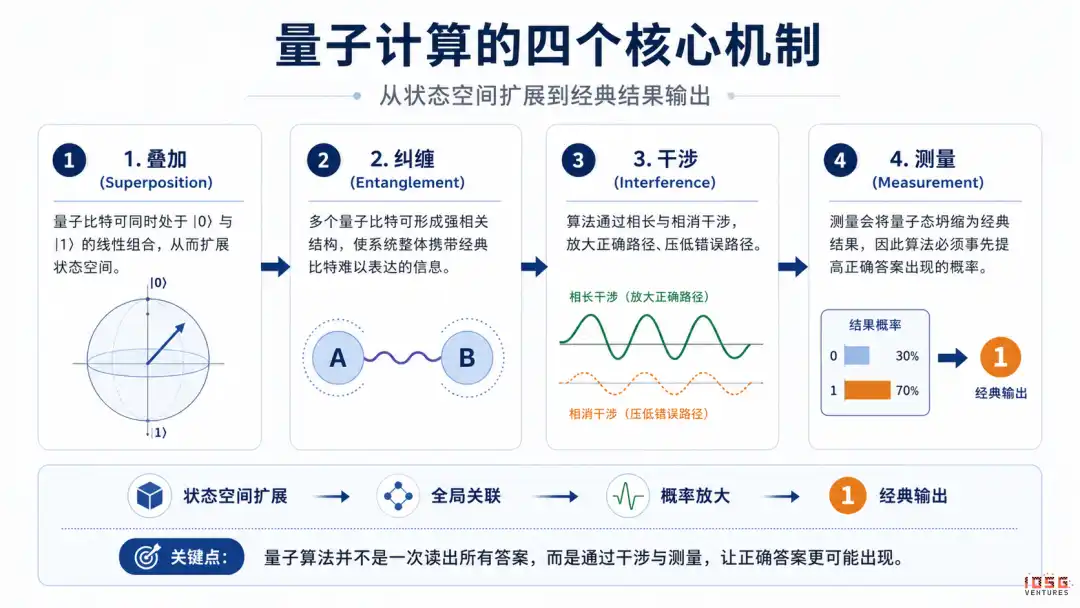
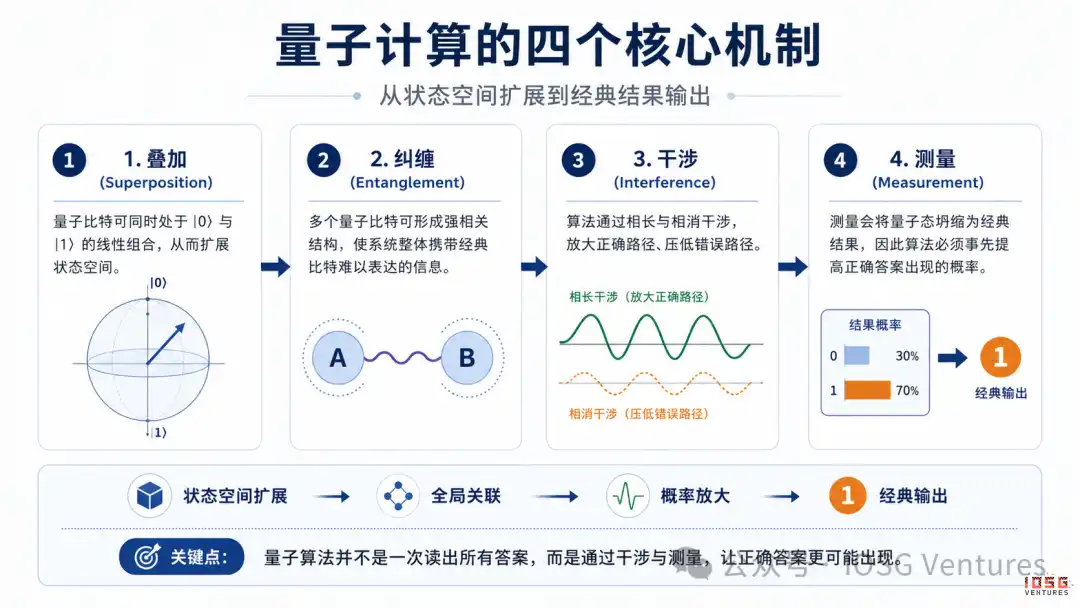
IOSG argues that quantum computing is less a sudden “endgame” for crypto than a long-duration repricing of blockchain security assumptions. In its latest analysis, the firm frames Q-Day—the point when a fault-tolerant quantum computer gains practical power to break mainstream public-key cryptography—as a systemic deadline for Web3 infrastructure. The report says Shor’s algorithm could undermine the cryptographic trust roots of major public blockchains such as Bitcoin and Ethereum, both of which rely heavily on elliptic-curve cryptography. The bigger constraint, however, is not the absence of post-quantum cryptographic tools, but the difficulty of coordinating migration across protocols, wallets, custodians, exchanges, bridges, and governance structures. IOSG highlights that Bitcoin’s biggest challenge lies in exposed public keys, dormant UTXOs, and the political question of whether legacy coins should be frozen or left vulnerable. Ethereum, by contrast, faces a broader engineering challenge: replacing cryptographic assumptions across the execution layer, consensus layer, data availability stack, and parts of the ZK ecosystem. The report concludes that while the broader preparation period may span 5 to 15 years, the practical engineering comfort window could be only 5 to 8 years.

890
IOSG Says Q-Day Countdown Puts Bitcoin and Ethereum Under Post-Quantum Migration Pressure
Quantum Compu
2026-07-07 02:41:05

Q-Day Countdown Puts Bitcoin and Ethereum on Diverging Post-Quantum Paths

A MarsBit analysis argues that quantum computing is unlikely to erase blockchains overnight, but it could trigger a long, systemic rewrite of crypto security assumptions. The piece frames the main risk around “Q-Day,” the point at which a cryptographically relevant fault-tolerant quantum computer becomes capable of breaking mainstream public-key cryptography in practice. Current estimates place that window mostly around 2035–2045, with more aggressive scenarios suggesting 2030–2035. The report says the real issue is not the absence of post-quantum cryptography, but whether the crypto industry can coordinate migration before attacks become economically viable. Bitcoin’s challenge is concentrated in exposed public keys, dormant legacy UTXOs, signature bloat, and governance conflict over how to treat coins that never migrate. Ethereum, by contrast, faces a broader full-stack transition involving EOAs, validator signatures, KZG commitments, data availability, and parts of the ZK stack. The article concludes that post-quantum migration is fundamentally a coordination and governance problem, not a simple cryptographic swap. For markets, repricing may begin well before Q-Day itself if hardware roadmaps accelerate, resource estimates fall, or regulators and custodians start demanding PQC compliance.

690
Q-Day Countdown Puts Bitcoin and Ethereum on Diverging Post-Quantum Paths