Why Robots May Need Wallets, Identity, and DePIN Rails in an Open Machine Economy
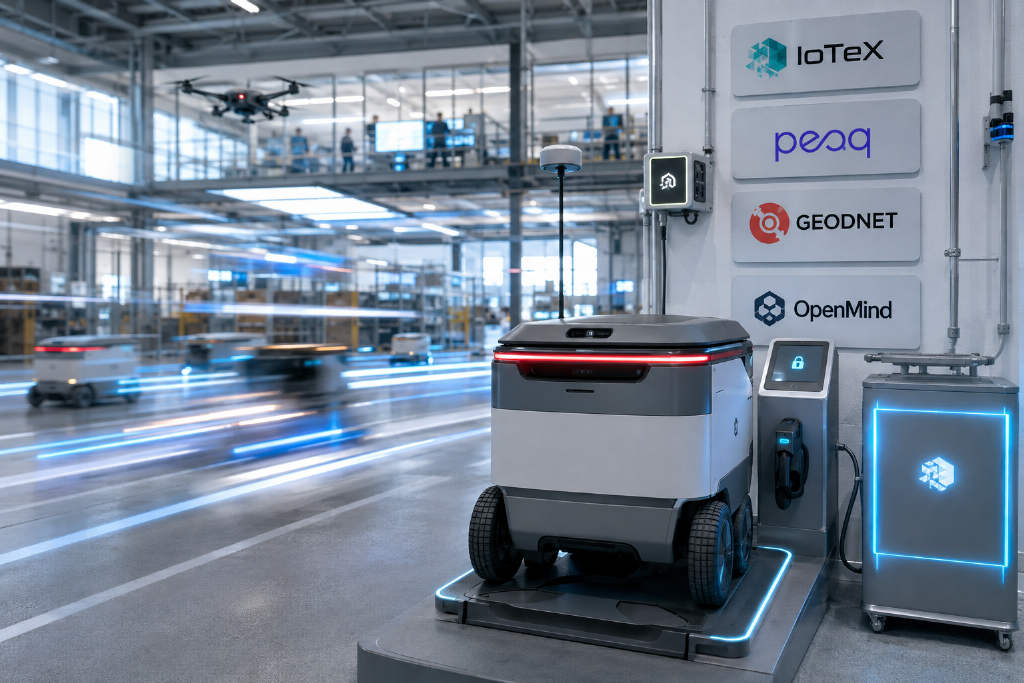
A growing set of crypto and DePIN projects is trying to solve a narrow but real problem in robotics: how physical machines can pay for services, prove who they are, and work with third parties outside closed corporate systems. The article argues that robot adoption itself does not depend on crypto. What crypto can add is a coordination layer for situations where robots owned by different parties need instant authorization, low-cost micropayments, and a verifiable service history. That need only appears in specific cases. Most robots inside Amazon-style warehouses, platform-controlled delivery fleets, or vertically integrated industrial systems do not require independent wallets. The model becomes relevant when ownership is fragmented, transactions are tiny, no centralized platform clears payment, and service access has to be granted on the spot. The piece maps that stack across several projects. GEODNET focuses on high-precision RTK positioning. OpenMind is building a shared operating layer and testing gasless USDC micropayments. IoTeX works on device identity and proof of real-world activity. peaq is assembling identity, ownership, credit scoring, and multi-network settlement for machines. Even so, the author frames the sector as a small niche inside a much larger robotics market. The real question is not whether robots need crypto by default, but whether open robotic labor markets ever become large enough to need it.