FCX

HTX
2026-09-10 06:39:06

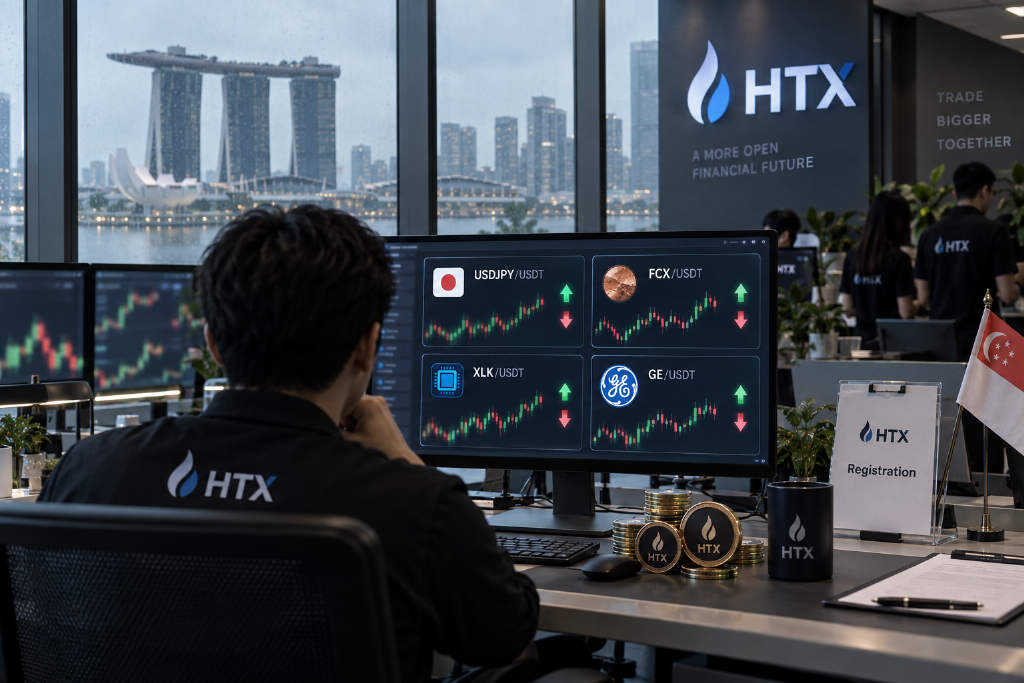
HTX lists four perpetual contracts and rolls out a new-token trading contest

HTX has listed four perpetual contracts — USDJPY/USDT, FCX/USDT, XLK/USDT and GE/USDT — effective Sept. 10, according to an official announcement. The exchange said the products support both long and short positions with leverage ranging from 1x to 20x. HTX also launched a new-token futures trading competition running from now until 15:00 on Sept. 15 (UTC+8). Users who register for the event, trade the designated contract pairs and meet the required threshold will have a chance to share a total prize pool of 1 billion HTX. The announcement did not provide additional details beyond the listing and campaign terms.

60
HTX lists four perpetual contracts and rolls out a new-token trading contest
Bitget
2026-09-09 13:50:23

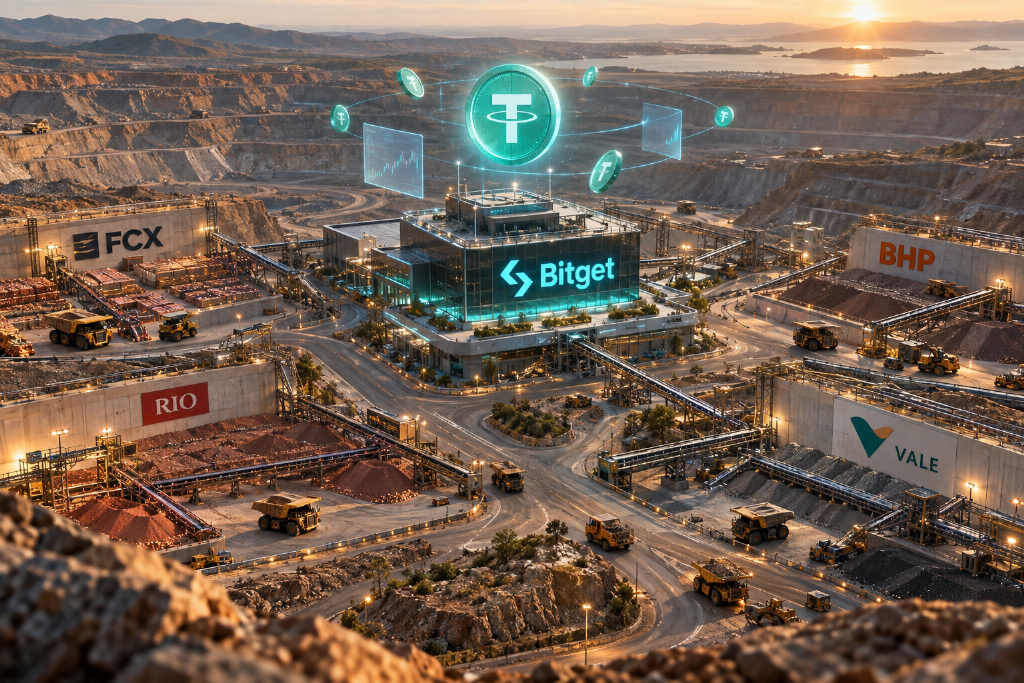
Bitget lists four stock perpetual contracts including FCX and BHP

Bitget said on Sept. 9 that it has listed four stock perpetual contracts tied to FCX, BHP, RIO and VALE, according to an official announcement cited by BlockBeats. The newly added products track Freeport-McMoRan, BHP Group, Rio Tinto and Vale S.A. Bitget said the contracts are settled in USDT, offer leverage of up to 20x, and are available for 24/7 trading. With the latest additions, the exchange now supports 310 stock contract underlyings in total. The update expands Bitget’s stock-linked derivatives lineup with exposure to major mining names through perpetual contracts.

20
Bitget lists four stock perpetual contracts including FCX and BHP
AI investing
2026-08-06 11:36:38

AI Investing Enters a Halftime Break as Compute Stocks Lose Favor

U.S. AI-linked stocks opened August with a broad rebound, led by Nvidia’s five-day gain and a near-20% rise in Marvell. But the move came after a sharp deleveraging in late July, when crowded trades, heavy fundraising by big tech, and higher oil prices helped cool sentiment. Morgan Stanley’s Xing Ziqiang said the recent volatility reflected a “halftime break,” not a deterioration in fundamentals. Goldman Sachs and Morgan Stanley now see AI capital shifting away from pure compute names and toward two new themes: applications that can prove ROI, and HALO assets tied to energy, grids, copper and industrial equipment. The article argues that the first half of AI investing was about buying the “pick-and-shovel” story, while the second half is more likely to reward companies that can monetize AI in real workflows or own hard assets that the buildout cannot обход. It cites leverage unwind data, large AI spending and debt figures, and named stocks across power, grid, mining and manufacturing.

1170
AI Investing Enters a Halftime Break as Compute Stocks Lose Favor
AI investing
2026-08-06 07:00:00

AI Trade Cools as Wall Street Shifts Focus From Compute to Monetization and Hard Assets

AI-linked U.S. equities staged a sharp rebound in the first week of August, with major names across the supply chain posting gains of more than 10%, Nvidia rising for five straight sessions, and Marvell up nearly 20%. But the move followed a bruising selloff in late July rather than a clean restart of the prior momentum trade. According to PANews, citing the latest view from Morgan Stanley China chief economist Xing Ziqiang, the recent volatility in AI stocks was less about deteriorating fundamentals and more about a temporary reset driven by crowded positioning, aggressive fundraising by large technology companies, and rising rate expectations linked to higher oil prices. The article says that view is increasingly shared across Wall Street. The report argues that the first phase of AI investing was dominated by the “picks-and-shovels” trade in chips, semiconductors, memory, and computing infrastructure. The next phase may split in two directions. One is the application layer, where investors are expected to focus on return on investment, cost savings, revenue conversion, and cash-flow delivery. The other is the physical world, where energy, power grids, copper, infrastructure equipment, and other HALO assets — heavy assets with low obsolescence — are being re-rated as scarce foundations of AI expansion. The article also warns that these hard assets are not risk-free. Their buildout is capital intensive and slow, and if commercialization at the application layer lags, front-loaded investment in energy and compute infrastructure could still lead to excess capacity and stranded assets.

1280
AI Trade Cools as Wall Street Shifts Focus From Compute to Monetization and Hard Assets