Mogu IoT
Sep 3, 2026

Guangzhou-based Mogu IoT closes nearly RMB 200 million in C-round financing to scale energy-focused Physical AI

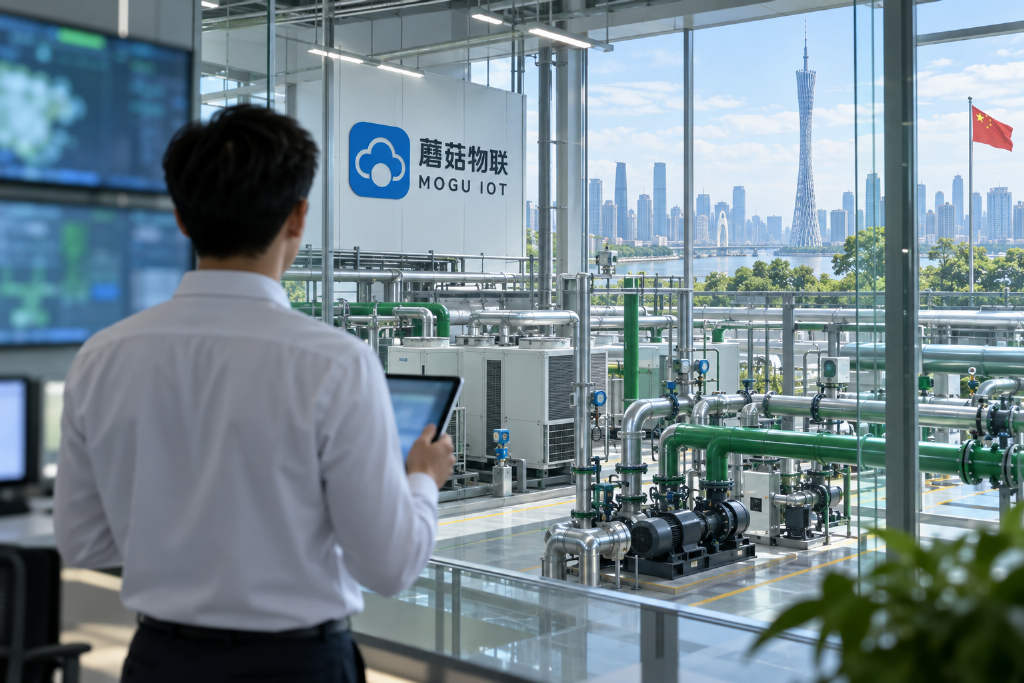
Mogu IoT, a Guangzhou-based company focused on Physical AI for energy control, has completed its C1 and C2 rounds within a broader Series C financing, with total proceeds reaching nearly RMB 200 million. Existing investors including Yunhui Capital continued to increase their positions. The company said its AI systems are already managing more than 260,000 energy devices in utility rooms, serving over 6,000 enterprises and helping save more than 3.6 billion kWh of electricity. Founder Shen Guohui said the business has evolved in three stages over the past decade: device connectivity, industrial SaaS, and, after the 2022 ChatGPT wave, development of its Lingzhi AI vertical model. Mogu IoT argues that energy systems offer a standardized entry point for Physical AI because compressors, chillers, pumps, and fans share common control logic across factories, data centers, commercial complexes, and schools. The company also pointed to its moat in so-called “dark data,” or real-world operating data gathered from devices and sensors, as well as a three-layer safety architecture designed to verify control actions before execution. Mogu IoT said it currently monetizes through installation plus annual maintenance fees, and through service models tied to energy-saving performance or AI-managed operations. It also plans to explore an API charging model similar to token-based billing in the future.
1000
Guangzhou-based Mogu IoT closes nearly RMB 200 million in C-round financing to scale energy-focused Physical AI
CanSemi
Sep 30, 2026

CanSemi races toward listing as Guangzhou pushes deeper into chip manufacturing

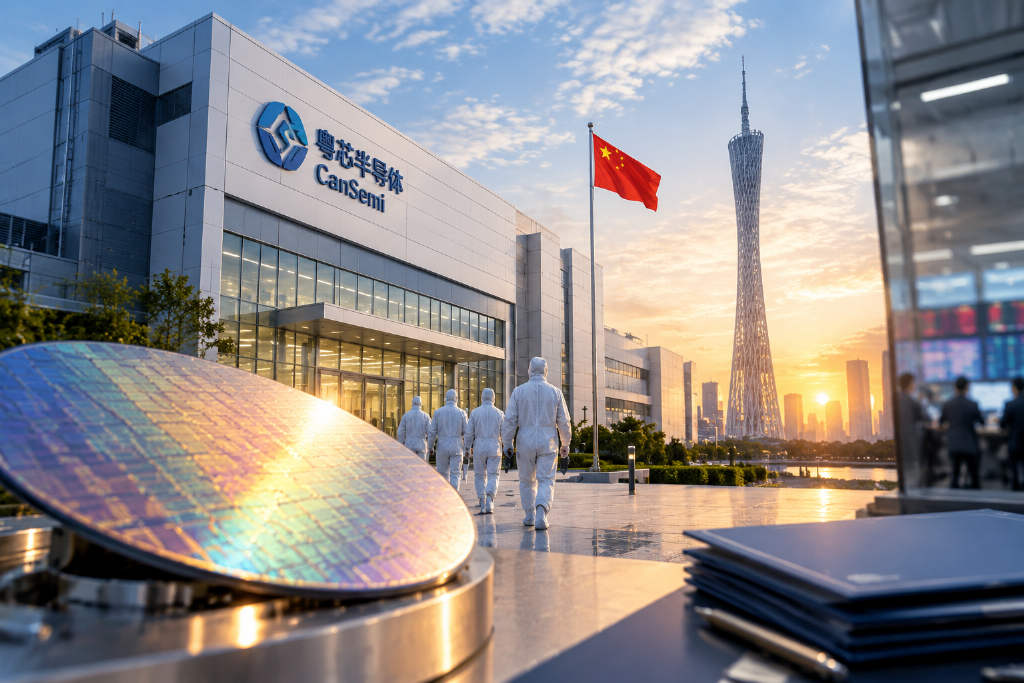
CanSemi Technology, a Guangzhou-based wafer foundry valued at RMB 30 billion, is nearing its stock market debut after taking just nine months from filing its listing application to reaching the verge of listing. Its offering drew heavy demand: the issue price was set at RMB 12.01 per share, with 179 million shares sold online, a winning rate of only 0.04238%, and a subscription multiple of 2,359.68 times. According to its prospectus, GF Securities served as sponsor and lead underwriter, while Guotai Haitong Securities acted as the contact lead underwriter. The company has become one of Guangzhou’s best-known semiconductor names since launching in Huangpu in 2017. It built China’s first 12-inch fab operated under a virtual IDM model, expanded across multiple production phases, and now plans total monthly capacity of 120,000 wafers with investment exceeding RMB 30 billion. Rather than competing head-on in leading-edge nodes, CanSemi chose 180-55nm specialty mature processes, targeting analog and mixed-signal chips and planning extensions to 40nm and 22nm. Its prospectus shows rapid revenue growth but continued losses tied to heavy upfront fab investment and capacity ramp-up. Revenue rose from RMB 1.02 billion in 2023 to RMB 2.51 billion in 2025, while the company said it could achieve consolidated profitability as early as 2029. The article frames CanSemi as part of a broader shift in Guangzhou, where projects including Guangxin and Zengxin are helping build out a fuller semiconductor supply chain.

1560
CanSemi races toward listing as Guangzhou pushes deeper into chip manufacturing
policy regulation
Sep 4, 2026

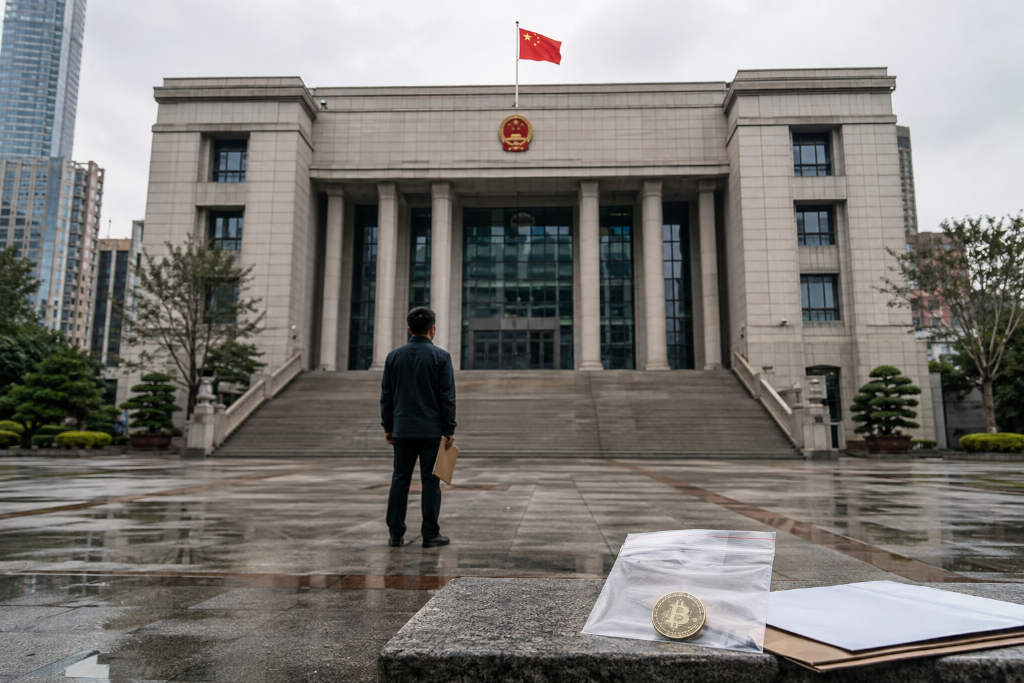
Guangzhou Court Invalidates Virtual Currency Lending Deal, Orders Payment at Original Cost

According to a report carried by ChainCatcher from Guangzhou Daily Xinhuacheng, a man in Guangzhou lent one unit of virtual currency to a friend, who agreed to return it after two days. When the friend missed the deadline, the man sued, requesting either the return of the virtual currency or compensation based on market price. The Guangzhou Intermediate People's Court found that the virtual currency lending agreement was invalid, so it refused to order the return of the asset or damages calculated at market value. However, the court held that virtual currency counts as network virtual property, and the borrower must still compensate the lender for actual losses. The court used the lender's original purchase cost for the token to calculate damages, awarding 199,600 yuan.

1520
Guangzhou Court Invalidates Virtual Currency Lending Deal, Orders Payment at Original Cost
XSE Pro League
Jul 13, 2026

XSE Pro League Guangzhou ends without any blockchain sponsors on display

XSE Pro League Guangzhou 2026 concluded on July 12, with no sponsorship branding from cryptocurrency or blockchain companies visible at the event, according to Techub News. The Counter-Strike 2 tournament carried a $1 million prize pool, was organized by Xin Sai Esports, and featured 16 international teams. The report described it as the first top-tier CS2 ranking event in the Guangdong-Hong Kong-Macao Greater Bay Area. Citing CryptoBriefing, the item said the esports sector is continuing to pull back from crypto sponsorships. It also said China’s regulatory stance on cryptocurrencies has made such partnerships difficult to execute in the region. The report did not mention any specific crypto firms that had considered sponsoring the event.

2480
XSE Pro League Guangzhou ends without any blockchain sponsors on display