Yageo
Oct 8, 2026

Yageo posts record September and Q3 revenue as shares rebound to 686

Yageo, a leading passive components maker, reported record self-filed consolidated revenue for both September 2026 and the third quarter, helped by sustained demand tied to artificial intelligence and high-performance computing applications as well as a pickup in customer orders after the end of the summer holiday period in Europe and the United States. September revenue reached NT$17.068 billion, up 4.5% from a month earlier and 46.1% from a year earlier. Third-quarter revenue came in at NT$49.531 billion, up 11.4% quarter over quarter and 49.7% year over year. For the first nine months of 2026, cumulative revenue totaled NT$132.154 billion, rising 36.3% from the same period last year. The company said customer inventory remained at healthy levels and described AI as a force driving a structural shift in the electronic components industry, especially for high-capacitance, heat-resistant and high-reliability parts used in advanced servers and power modules. Yageo shares rebounded from around NT$540 in late September and briefly touched 686 on Oct. 7, while peers including Walsin Technology and Holy Stone also moved higher.

1650
Yageo posts record September and Q3 revenue as shares rebound to 686
VanEck
Oct 7, 2026

VanEck CEO says nuclear restarts could ease Bitcoin miners’ need to sell BTC

VanEck CEO Jan van Eck said AI data centers and Bitcoin mining both depend heavily on cheap, reliable electricity, and argued that additional low-cost power from newly approved or restarted nuclear projects in the United States could improve the economics of both businesses. He said that shift could also reduce pressure on miners to sell BTC to cover electricity bills. VanEck’s latest research also found that publicly listed Bitcoin mining companies in the U.S. are continuing to redirect part of their power capacity toward AI and high-performance computing, or HPC, using long-term compute contracts to secure steadier cash flow. The firm added that with miner revenue under pressure this year, sales of newly mined BTC remain an important source of operating funds, which means lower power costs and more diversified AI-related income could, in theory, reduce reliance on token sales for financing.

970
VanEck CEO says nuclear restarts could ease Bitcoin miners’ need to sell BTC
WinWay
Oct 6, 2026

WinWay tops NT$10 billion in first nine months, hitting revenue goal about a year early

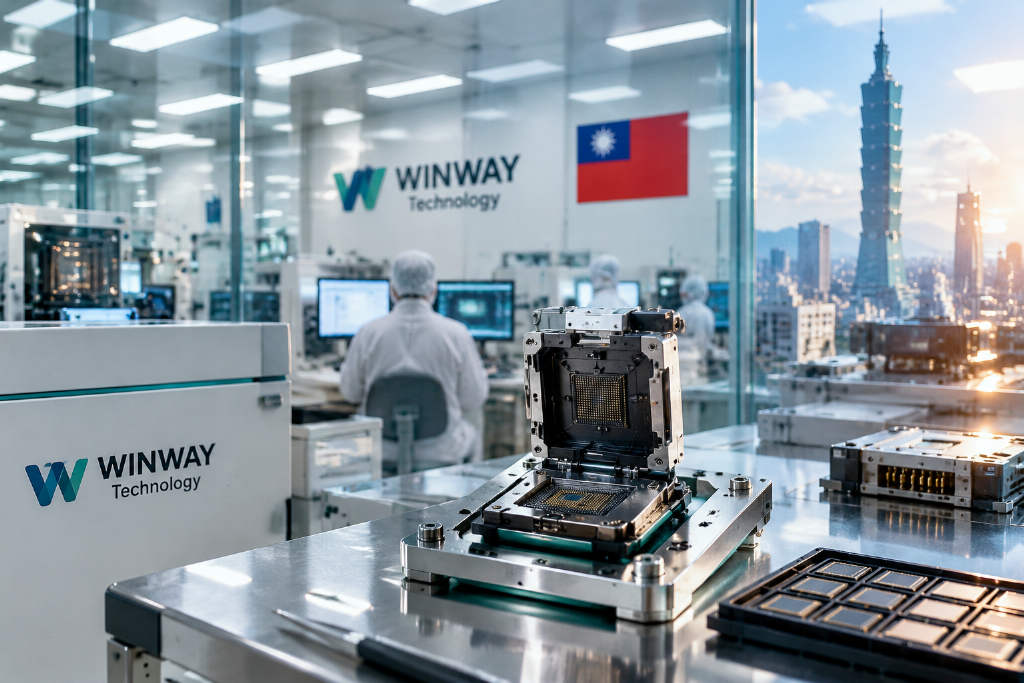
WinWay Technology said on Oct. 6 that its September revenue reached NT$1.25 billion. The figure fell 26.69% from August because of product mix changes, but still rose 87.72% from a year earlier. Third-quarter revenue came in at NT$4.556 billion, up 29.32% from the second quarter and 152.58% from the same period last year, setting a quarterly record for the semiconductor test interface supplier. For the first nine months of 2026, cumulative revenue totaled NT$11.06 billion, up 96.67% year over year. The company said this was the first time since its listing that annual cumulative revenue had crossed the NT$10 billion mark. Chairman Wang Chia-huang said WinWay had originally targeted 2027 to reach that level, but met the goal in September 2026. The company linked its growth to continued AI and high-performance computing demand, stronger shipments, and better production efficiency on some lines. It also cited industry data from Omdia and TrendForce pointing to expanding semiconductor revenue and higher capital spending by major cloud service providers. WinWay expects AI, HPC, and ASIC-related products to keep scaling in the fourth quarter, and said its sales team will attend SEMICON West 2026 and the International Test Conference in the United States.

1500
WinWay tops NT$10 billion in first nine months, hitting revenue goal about a year early
Applied Digital
Oct 6, 2026

Applied Digital targets Finland with AI campus that could scale to 1 GW

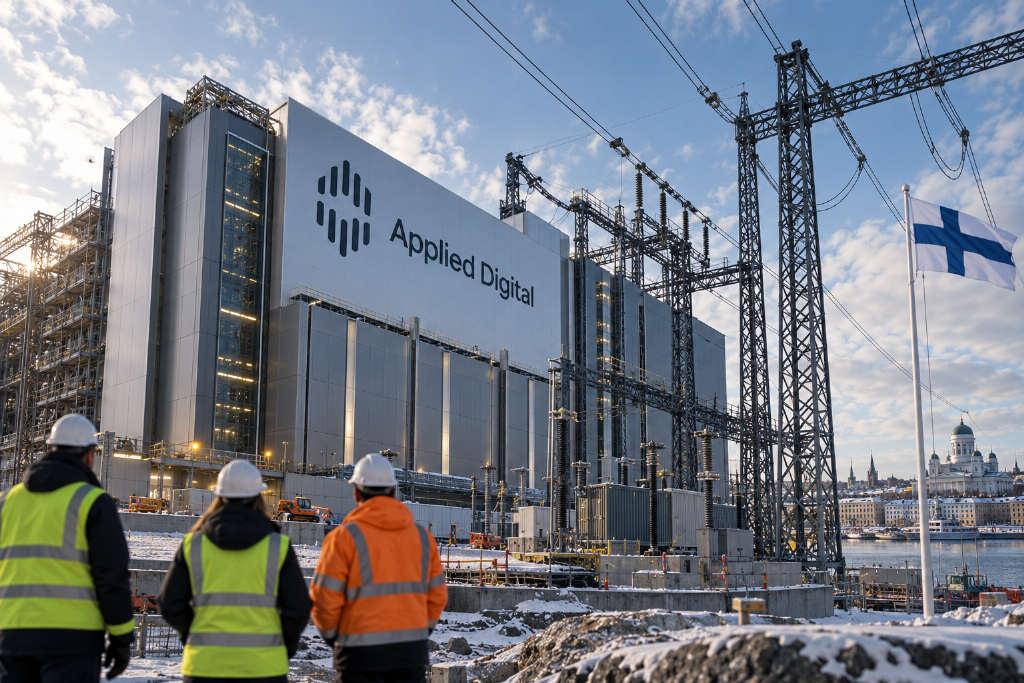
Applied Digital said it has signed an agreement securing access to as much as 1 GW of potential power capacity in Finland, where it plans to build an AI Factory campus that could scale to 1 GW. The first tranche of power is expected to become available in 2028. The move marks the company’s first development project outside the United States. The Nasdaq-listed company said it has already begun presenting the project to customers and is in talks with large global hyperscaler clients. CEO Wes Cummins described the Finland buildout as a cautious first step in the company’s international expansion, while stressing that Applied Digital’s current strategic priority remains execution of its domestic U.S. projects. Applied Digital still operates data center hosting services for crypto mining companies. Even so, the Finland project is positioned as AI and high-performance computing, or HPC, infrastructure. The company also said its current growth focus and capital allocation priorities have shifted toward AI data centers.

1040
Applied Digital targets Finland with AI campus that could scale to 1 GW
HIVE Digital
Oct 5, 2026

HIVE Digital launches BUZZ HPC plan to convert part of its Bitcoin mining sites into AI infrastructure in Canada

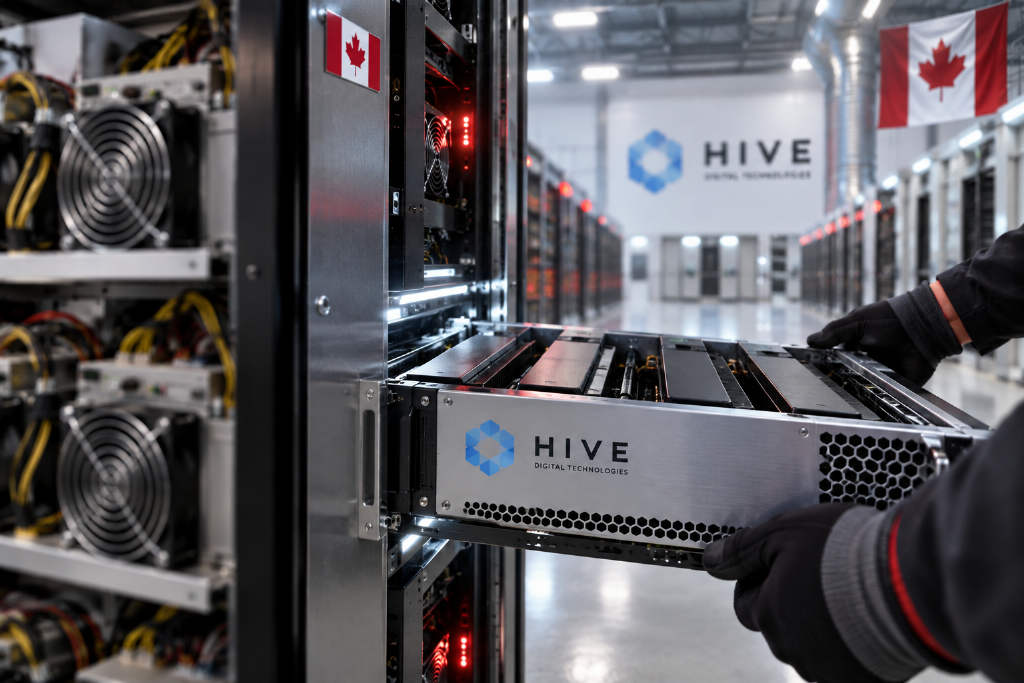
HIVE Digital Technologies has announced its BUZZ HPC plan, a move to convert part of its Bitcoin mining sites into high-performance computing, or HPC, facilities in Canada. The company said the project is intended to support the country’s artificial intelligence infrastructure buildout. According to the brief cited by Techub and attributed to Crypto Briefing, the initiative is also aimed at strengthening domestic data sovereignty and encouraging local innovation. The announcement points to a shift in how some mining infrastructure may be repurposed for computing demand tied to AI workloads, with Canada named as the target market for the planned deployment.

890
HIVE Digital launches BUZZ HPC plan to convert part of its Bitcoin mining sites into AI infrastructure in Canada
Topoint Technology
Oct 5, 2026

Topoint posts 300.41% YoY profit growth in August as AI server demand lifts high-end PCB drill bit sales

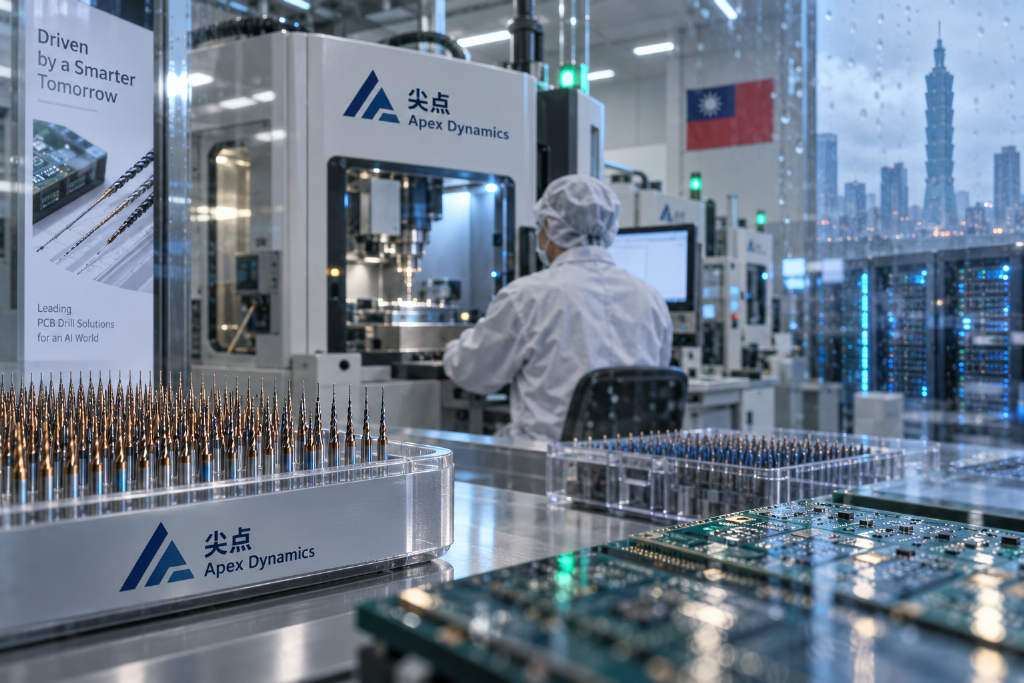
Topoint Technology, a leading manufacturer of PCB micro drill bits, disclosed its latest self-reported August results after its recent share-price gains triggered exchange attention stock requirements. The company said August consolidated revenue reached NT$771 million, up 97.75% from a year earlier, while net profit attributable to the parent rose 300.41% to NT$142 million. Earnings per share for the month came in at NT$0.97. The report tied the growth to demand from AI servers and high-performance computing applications. According to the company’s disclosed figures cited by ABMedia, upgrades in accelerator card and motherboard designs have increased PCB layer counts to more than 20 to 30 layers and raised the use of high-frequency, high-speed, low-loss materials, making drilling more difficult and increasing wear on conventional drill bits. That has pushed demand for higher-end coated drill bits, with those higher-margin products now accounting for more than half of Topoint’s sales mix. Topoint also reported that its after-tax net margin reached 18.44% in August. In the second quarter, reviewed consolidated revenue was NT$1.826 billion, up 80.30% year over year, with after-tax profit at NT$302 million, up 285.50%, and quarterly EPS at NT$2.08, all record highs. The company is also accelerating capacity expansion across both sides of the Taiwan Strait, while building a new plant in Zhongli and continuing its Thailand strategy.

950
Topoint posts 300.41% YoY profit growth in August as AI server demand lifts high-end PCB drill bit sales
Applied Digital
Oct 2, 2026

Applied Digital adds 75 MW at Polaris Forge 1, lifting live IT load to 250 MW

Applied Digital said Phase 2 of Building 2 at its Polaris Forge 1 campus has reached Ready for Service, adding 75 MW of critical IT load through three 25 MW data halls. That brings Building 2 to its full 150 MW in service and raises the campus’ live critical IT load to 250 MW. The company described Polaris Forge 1 as a fully leased AI Factory campus and said existing contracts point to 400 MW of critical IT load once the site is fully built out. Applied Digital still operates blockchain data center hosting for Bitcoin and crypto mining companies, but said its growth focus and capital allocation have shifted toward high-performance computing, or HPC, and AI data centers.

1280
Applied Digital adds 75 MW at Polaris Forge 1, lifting live IT load to 250 MW
CoinShares
Oct 1, 2026

CoinShares says public bitcoin miners are shifting to AI, with Core Scientific canceling rig orders

Publicly listed bitcoin miners are redirecting power capacity and data center infrastructure toward artificial intelligence and high-performance computing, according to a new report from CoinShares. The firm estimated that AI computing can generate annualized profit of about $1.5 million per megawatt, compared with roughly $500,000 per MW from bitcoin mining. CoinShares said the shift is already visible in company operating data. Core Scientific paid $41.9 million to cancel orders for about 15 EH/s of next-generation mining machines. In CoinShares’ view, miner valuations may increasingly hinge on the value of power access and data center assets rather than hash rate alone. Separate data from CryptoQuant showed that bitcoin mining companies with AI exposure have gained 21% this year, while those without AI initiatives have fallen 8%. CryptoQuant also said Core Scientific sold about 3,136 BTC this year, cutting its bitcoin reserves by more than 90%. JPMorgan analysts added that bitcoin briefly moved above their estimated production cost of about $85,000 this week after staying below that level for 280 consecutive days, a move they said could ease profitability pressure on miners and reduce the risk of forced selling.

1100
CoinShares says public bitcoin miners are shifting to AI, with Core Scientific canceling rig orders
Total 98 items
Go topage