Moody's
Oct 27, 2026

Moody’s says AI infrastructure borrowing is pushing private credit wider, with refinancing pressure building for 2027-2029

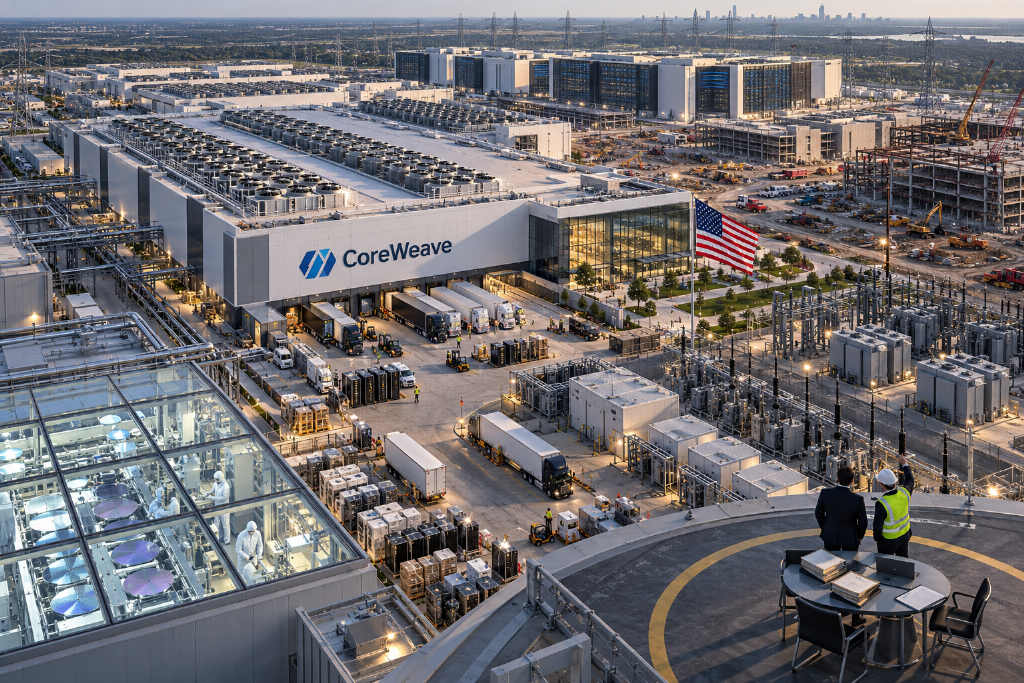
Moody’s Ratings said heavy borrowing tied to artificial intelligence infrastructure is expanding private credit beyond the bounds of traditional corporate lending, while a coming maturity wall could make refinancing harder for weaker borrowers. The agency said financing demand now stretches well past data center construction and includes land, power, semiconductors, and computing hardware such as GPUs and TPUs. It expects combined capital spending by the five largest U.S. hyperscalers and AI cloud provider CoreWeave to approach $1 trillion by 2027. Moody’s said funding is coming not only from operating cash flow, but also from debt, joint ventures, and special purpose vehicle structures that can isolate project assets and open the door for private credit to move deeper into technology infrastructure. It also pointed to recent volatility in debt tied to CoreWeave as a sign that investors are paying closer attention to highly leveraged AI borrowers. The agency warned that loan maturities due from 2027 to 2029 will test weaker borrowers in a higher-rate environment. Among 607 borrowers tracked by Moody’s, about 17% use payment-in-kind, or PIK, interest, which lets borrowers defer cash interest by rolling it into principal. Moody’s also flagged circular financing risks involving tech companies, chipmakers, and AI developers that invest in, lend to, and buy from one another.
840
Moody’s says AI infrastructure borrowing is pushing private credit wider, with refinancing pressure building for 2027-2029
S&P Global Ratings
Oct 24, 2026

S&P warns 146 U.S. AI data center projects have been delayed or canceled

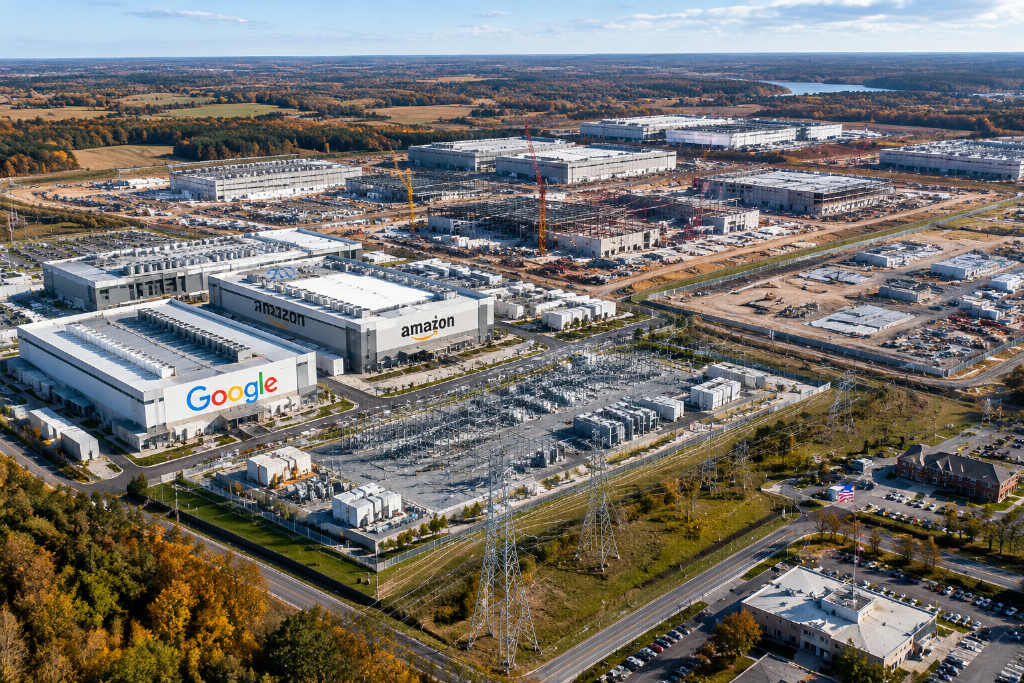
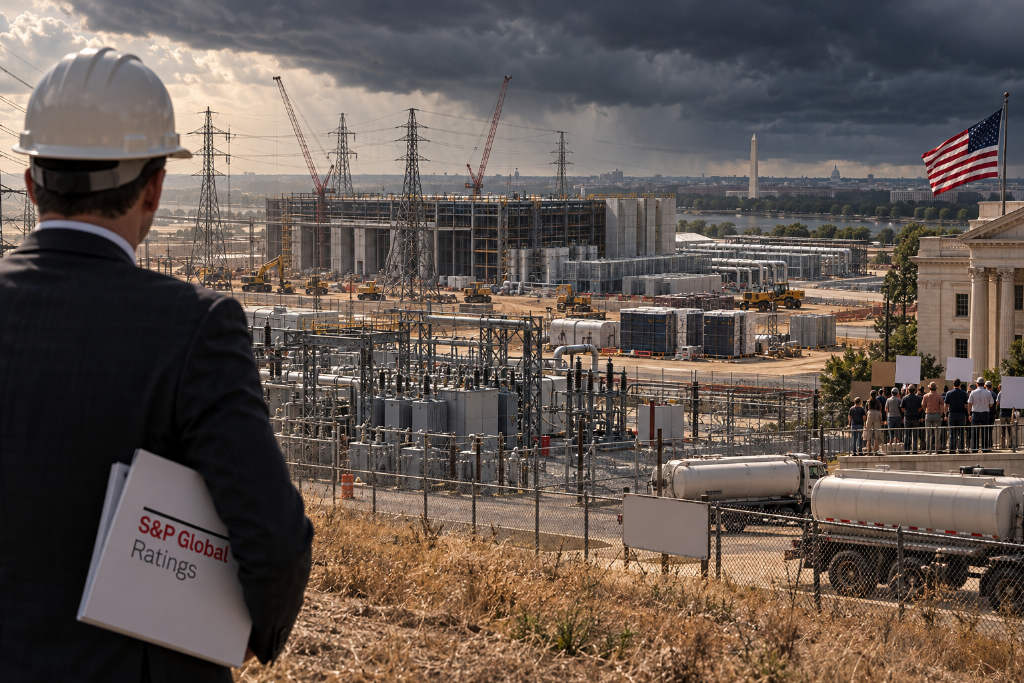
S&P Global Ratings said in a new report that the U.S. buildout of AI data centers is running into growing local resistance and power constraints, with 146 projects already delayed or canceled. The report said local governments across 40 states have imposed moratoriums or slowed approvals in response to public pressure tied to rising energy costs, water shortages, and air and noise pollution. While S&P said the direct effect on overall credit ratings remains limited for now, it warned that financial and default risks could build quickly as permitting obstacles increase. The pressure is falling most heavily on three parts of the chain: data center developers and operators, hyperscalers investing heavily in AI infrastructure, and energy and utility companies whose long-term planning is being disrupted by local restrictions. S&P also said the market is becoming more cautious toward the sector, paying closer attention to execution risk and regulatory costs behind the AI infrastructure boom.

690
S&P warns 146 U.S. AI data center projects have been delayed or canceled
Morgan Stanley
Oct 20, 2026

Morgan Stanley says AI hyperscalers may burn nearly $600 billion in cash by 2027

Morgan Stanley expects hyperscale companies in the artificial intelligence sector to consume nearly $600 billion in cash by 2027, according to a newsflash published by ChainCatcher. The brief did not name the companies included in the estimate, nor did it provide a breakdown of the spending assumptions or the methodology behind the projection. No additional timeline beyond the 2027 target was included in the source text. The item was published as a 7x24 market news update.

600
Morgan Stanley says AI hyperscalers may burn nearly $600 billion in cash by 2027
Bernstein
Oct 13, 2026

Bernstein says data center pipeline hit 456 GW as shelved capacity reached a record high

Bernstein said in an Oct. 11 U.S. industrial and technology report that the data center project pipeline reached 456 gigawatts in September, up 52.2 GW from August. The firm said developers and hyperscalers were the main drivers of the increase, while capacity under construction rose to 79.9 GW and shelved capacity climbed to a record 51.7 GW. Bernstein also flagged a growing policy overhang, noting that 27 U.S. states are restricting or considering restrictions on new data center builds, up from 25 a month earlier. About 70% of pipeline and under-construction capacity sits in states holding gubernatorial elections in 2026, according to the report. Based on the current pipeline and a $5 million per megawatt opportunity, Bernstein also estimated the total addressable market for electrical equipment suppliers, with Quanta Services, Vertiv, Schneider Electric, Eaton and ABB among the names listed. The report maintained outperform ratings on several industrial names and said demand for electrical equipment is being supported by data center construction, with order books and backlog remaining strong.

1500
Bernstein says data center pipeline hit 456 GW as shelved capacity reached a record high
Samsung Electronics
Oct 7, 2026

Samsung’s 12-layer HBM4E passes quality checks by Nvidia and major hyperscalers

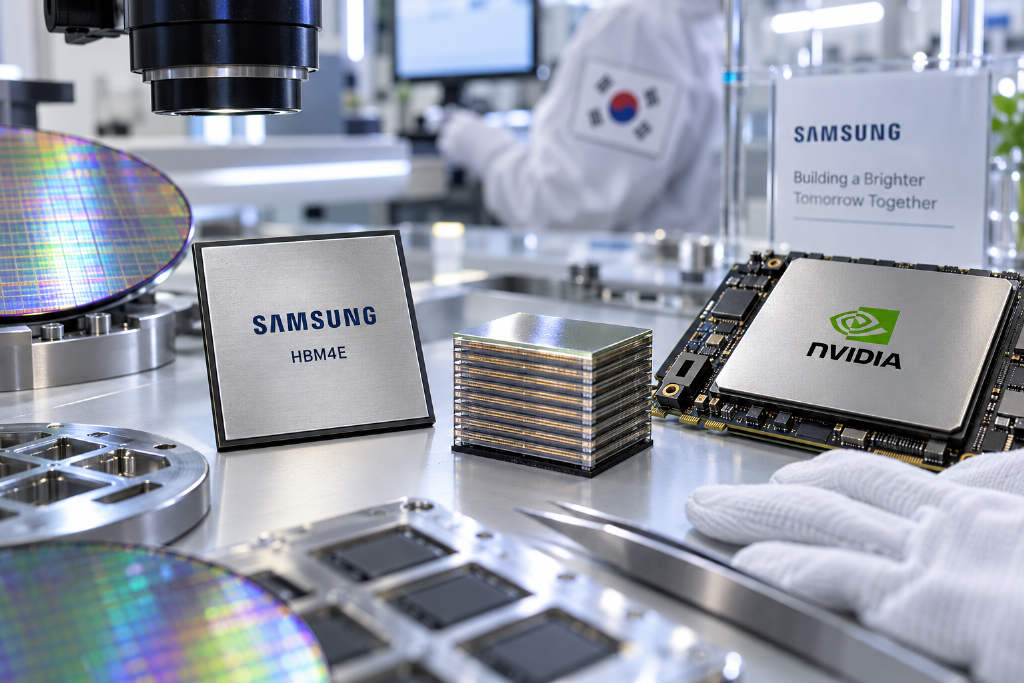
Samsung Electronics’ next-generation high-bandwidth memory product, the 12-layer HBM4E, has passed quality verification by Nvidia and major hyperscale data center operators, according to a report cited by ChainCatcher from The Korea Economic Daily. The update points to progress for Samsung’s latest memory offering in the AI and data center supply chain. No additional details on timing, shipment plans, or customer names were disclosed in the brief report. The item was published under the technology category.

620
Samsung’s 12-layer HBM4E passes quality checks by Nvidia and major hyperscalers
Applied Digital
Oct 6, 2026

Applied Digital targets Finland with AI campus that could scale to 1 GW

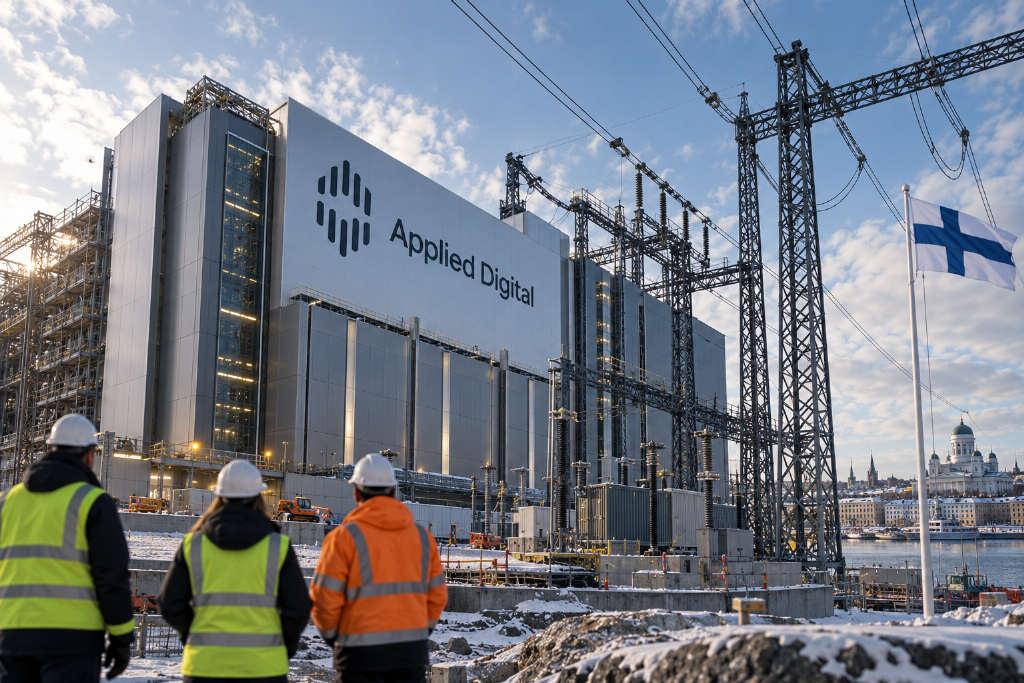
Applied Digital said it has signed an agreement securing access to as much as 1 GW of potential power capacity in Finland, where it plans to build an AI Factory campus that could scale to 1 GW. The first tranche of power is expected to become available in 2028. The move marks the company’s first development project outside the United States. The Nasdaq-listed company said it has already begun presenting the project to customers and is in talks with large global hyperscaler clients. CEO Wes Cummins described the Finland buildout as a cautious first step in the company’s international expansion, while stressing that Applied Digital’s current strategic priority remains execution of its domestic U.S. projects. Applied Digital still operates data center hosting services for crypto mining companies. Even so, the Finland project is positioned as AI and high-performance computing, or HPC, infrastructure. The company also said its current growth focus and capital allocation priorities have shifted toward AI data centers.

1070
Applied Digital targets Finland with AI campus that could scale to 1 GW
Jabil
Sep 29, 2026

Jabil earnings preview: 2027 guidance, not Q4 numbers, is the real test for its AI data center story

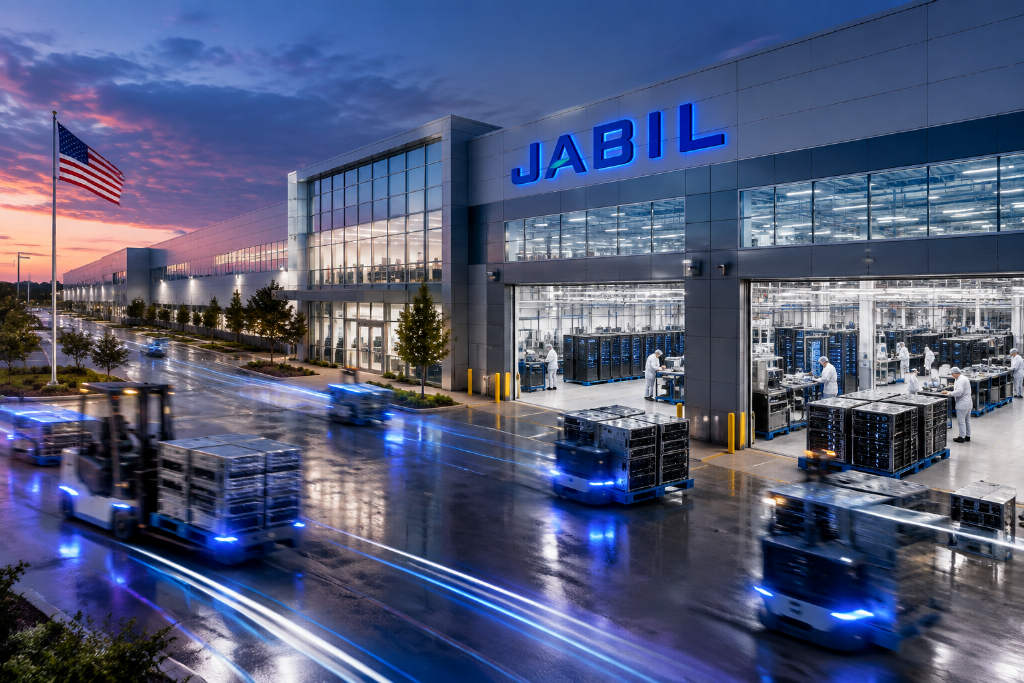
Jabil Inc. is set to report fiscal 2026 fourth-quarter and full-year results before the U.S. market opens on Sept. 30, 2026, followed by what the company has framed as an annual investor briefing. That framing matters. Investors already have a fairly tight range for the quarter, with management guiding for revenue of $9.2 billion to $10.0 billion and core EPS of $3.80 to $4.20, while consensus sits near the upper half of that band. The bigger question is what management says about fiscal 2027. The company has become a key supplier in the AI data center hardware chain, and management said on its June third-quarter call that AI-related revenue for fiscal 2026 should reach about $13.6 billion, up roughly 50% from $9.0 billion in fiscal 2025. That would put AI-related business at close to 40% of Jabil’s expected full-year revenue of about $35 billion. Even so, the stock has pulled back from its June peak. As of Sept. 24, JBL traded at $310.13, within a 52-week range of $189.60 to $428.93. The coming guidance will be judged on three fronts: whether core operating margin can move above 6% in fiscal 2027, how large AI-related revenue can get on a much bigger base, and whether capital spending can stay within the company’s prior 1.5% to 2% of revenue framework while new capacity ramps in North Carolina, Memphis, India, and Mexico.

1800
Jabil earnings preview: 2027 guidance, not Q4 numbers, is the real test for its AI data center story
Goldman Sachs
Sep 25, 2026

Goldman Sachs says hyperscalers need unprecedented revenue growth to justify AI spending

Goldman Sachs said in an analysis report that massive capital spending by hyperscale technology companies on artificial intelligence could reshape investment norms across the tech sector. The report said those companies will need to deliver unprecedented revenue growth to justify AI-related capital expenditures that could reach as much as $1.7 trillion. The item was published by Techub, which cited Crypto Briefing as the source. The report centers on whether future business performance can support the scale of spending now being directed toward AI infrastructure and related buildout. No additional financial details were provided in the brief.

730
Goldman Sachs says hyperscalers need unprecedented revenue growth to justify AI spending
Total 19 items
Go topage