Wall Street’s AI Trade Pullback Raises a Harder Question: Who Pays for the Buildout?
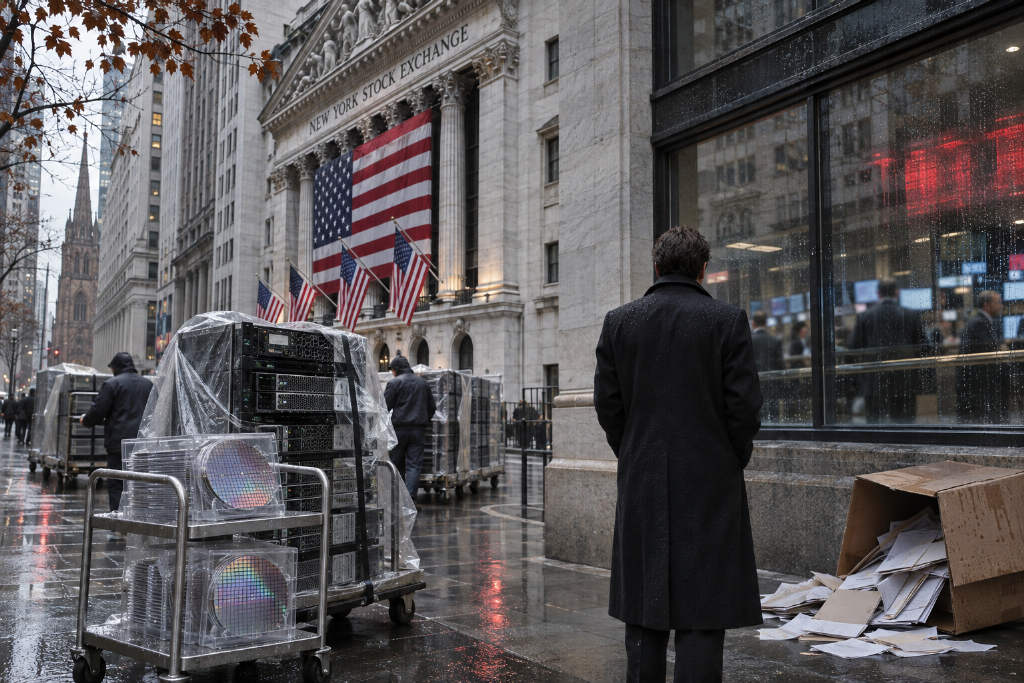
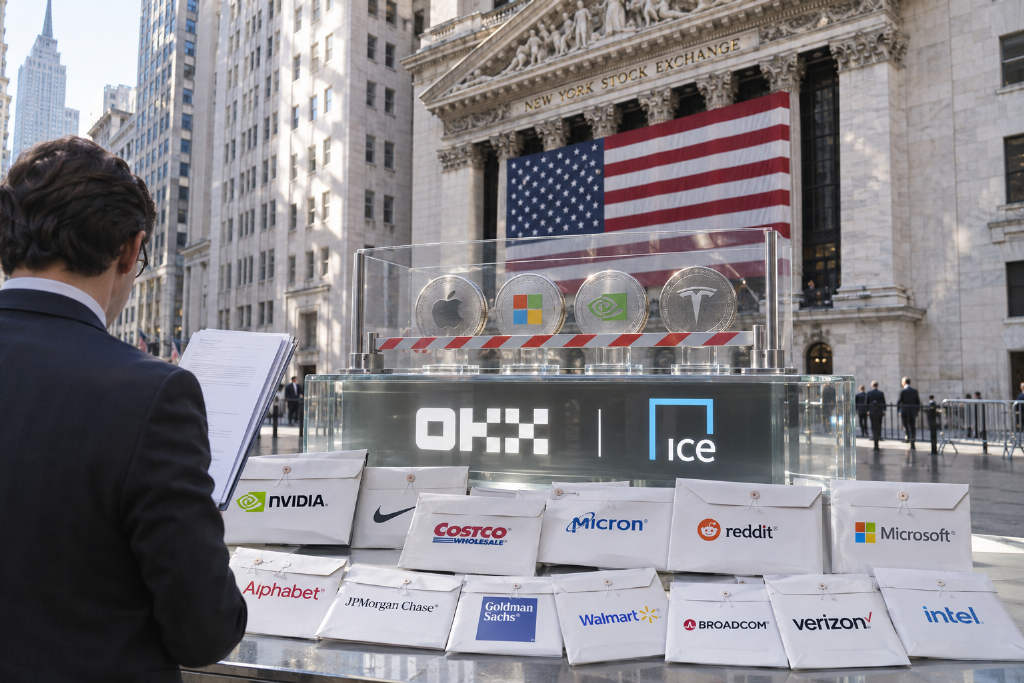
Wall Street is going through an expensive reality check as the sell-off in large-cap technology stocks sharpens scrutiny of whether massive artificial intelligence infrastructure spending can generate durable returns. On the final trading day of October, more than $1.5 trillion in U.S. equity market value was wiped out for the month, while the Nasdaq Composite fell 5.3%, its worst monthly performance since March 2025. The S&P 500 also posted a second straight monthly decline. Bert Dohmen and Dion Dohmen of Dohmen Capital Research said the sell-off began in AI and semiconductor names before spreading more broadly, setting off leveraged liquidations and margin calls that also hit liquid assets such as gold and silver. Their argument is echoed by Elliott Investment Management, which warned in its October letter to investors that multiple signals associated with a major bear market are now flashing. According to a Wall Street Journal report cited by Wallstreetcn, Elliott compared the current backdrop to the “Roaring Twenties” before the Great Depression. At the center of the debate is a question markets had largely avoided: whether huge AI capital expenditures, often supported by debt and circular investment structures, can translate into sustainable commercial returns. Elliott also pointed to a growing anti-AI social movement, while Jesse Cohn said earnings-season reactions have become harder to predict and more violent.