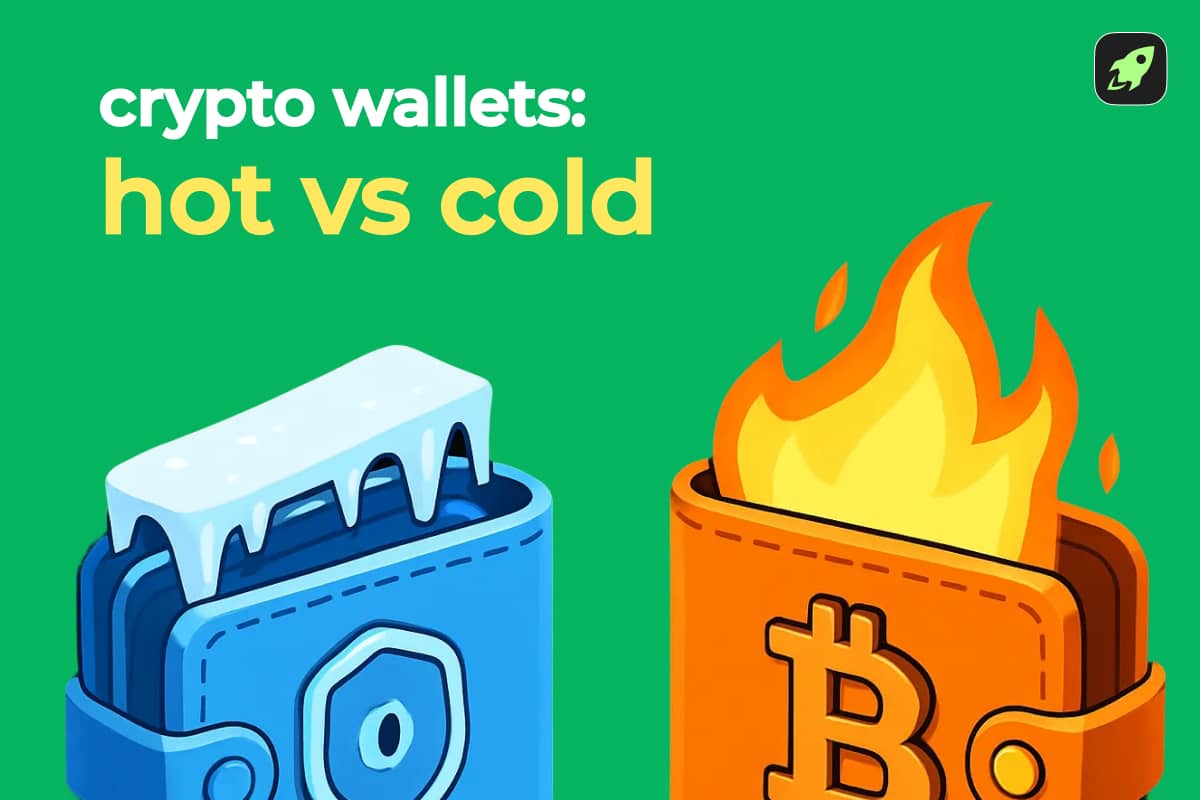
Hot Wallets vs Cold Wallets: A Clear Guide to Crypto Storage
Hot wallets stay online for easy access; cold wallets stay offline for maximum security. This article compares both, highlights pros and cons, and suggests a combined strategy.

Hot wallets stay online for easy access; cold wallets stay offline for maximum security. This article compares both, highlights pros and cons, and suggests a combined strategy.

A complete guide to opening a Bitcoin account. Covers wallet types (hot/cold), step-by-step process (research, register, verify, deposit, trade), and pros/cons of mobile, software, hardware, CEX, and paper wallets.

Fetch.ai is building an AI agent network for finance, transport, energy, and Web3. This article covers its founding, mainnet launch, technical stack, how FET is used, where to buy and store it, and the current regulatory picture in 2024.

This article reviews six main wallet options for HBAR, covering official, mobile, browser-based, and hardware solutions, while outlining Hedera’s network features and the key factors users should consider when storing tokens securely.

Bitcoin.com Store now accepts Bitcoin Cash (BCH) for purchasing hardware wallets like Ledger Nano S and Keepkey, starting at $57.50. Discover how to secure your crypto with these deals and dual-factor authentication options.

A comprehensive review of four leading hardware wallets—Coolwallet S, Ledger Nano S, Keepkey, and Trezor Model T—across portability, multi-currency support, ease of use, and security to help you choose the best crypto storage device.

As hardware wallet options expand, users must weigh portability, asset support, simplicity, and security. This article reviews Coolwallet S, Ledger Nano S, Keepkey, and Trezor Model T based on the source material.

This article compares four major hardware wallets—Coolwallet S, Ledger Nano S, Keepkey, and Trezor Model T—from portability, multi-currency support, simplicity, and security perspectives, helping users choose the best device for their needs.