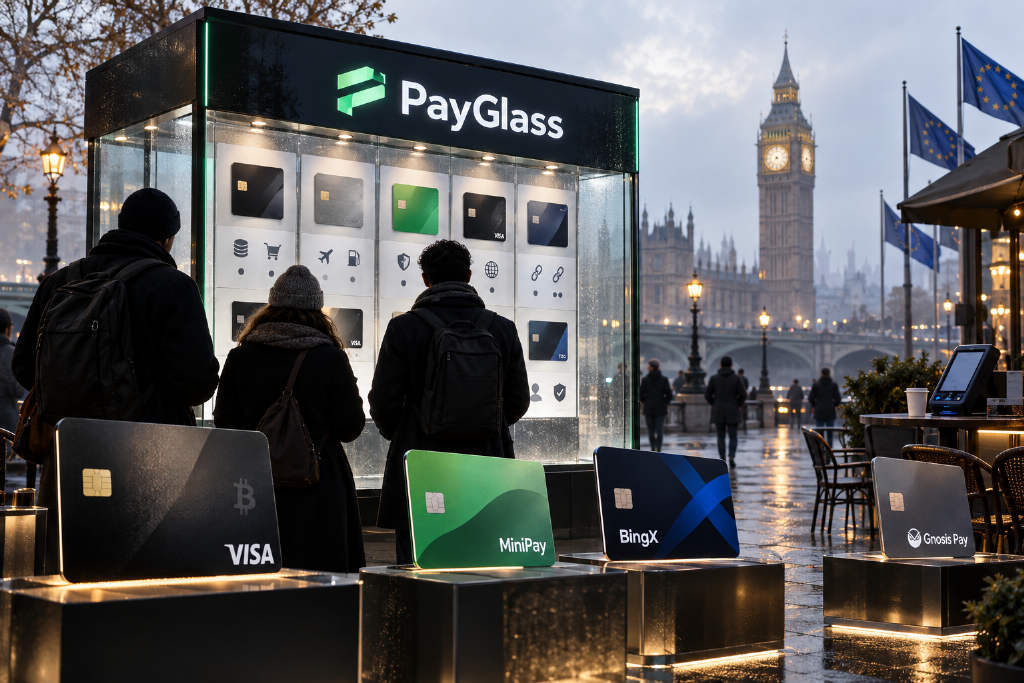
PayGlass pitches a clearer way to compare crypto cards as issuance accelerates
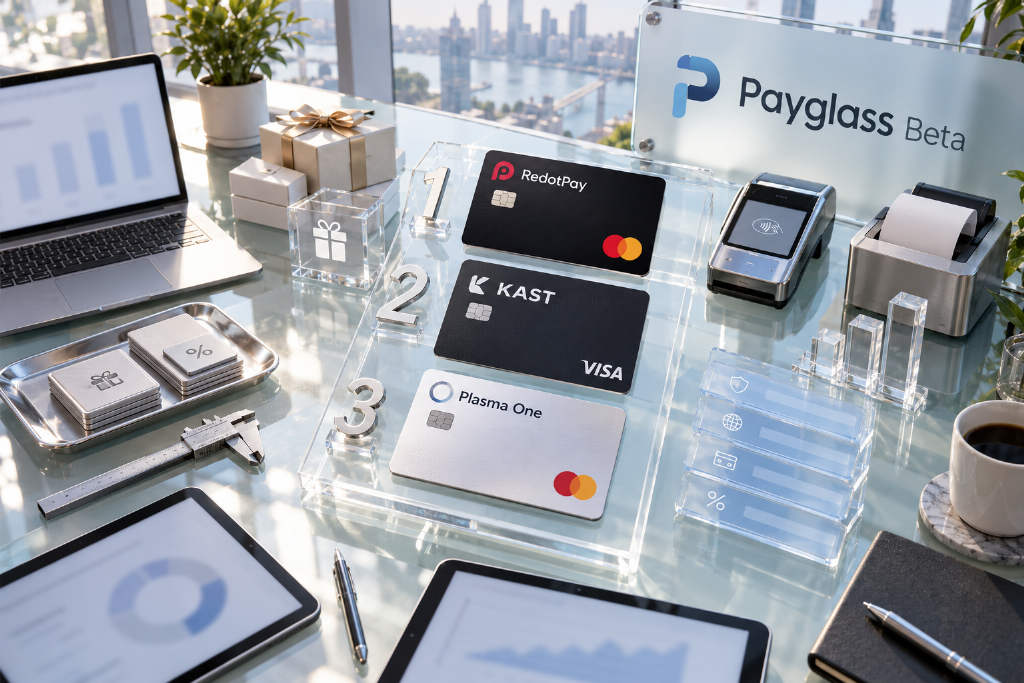
Crypto cards have moved from a niche product to one of the fastest-growing segments in digital assets. CoinDesk reported in August that monthly payment volume for crypto cards had topped $1 billion, up more than threefold year over year, versus less than $1 million in October 2023. As wallets, exchanges and blockchain projects rush to launch cards, users are facing a market where headline cashback rates often say little about actual cost. The article argues that the real challenge is not card availability but comparability. Fees can span application charges, FX spreads, crypto top-up fees, refund charges, ATM withdrawal costs and annual subscriptions, while rewards are often capped or tied to membership tiers. PayGlass says it is trying to standardize that information in one place. The platform lists more than 35 crypto card projects and organizes data across four tracks: fee structures and rules, card specifications, transaction data and project background. According to the piece, PayGlass also tracks on-chain payment flows and 30-day trends. As of Oct. 24, 2026, cards on the platform with complete 30-day transaction data had generated a combined $825 million in volume, with RedotPay, ether.fi and KAST accounting for 80.4%. The broader pitch is to make the crypto card market easier to search, compare and verify, shifting competition away from oversized marketing claims and toward actual product economics.