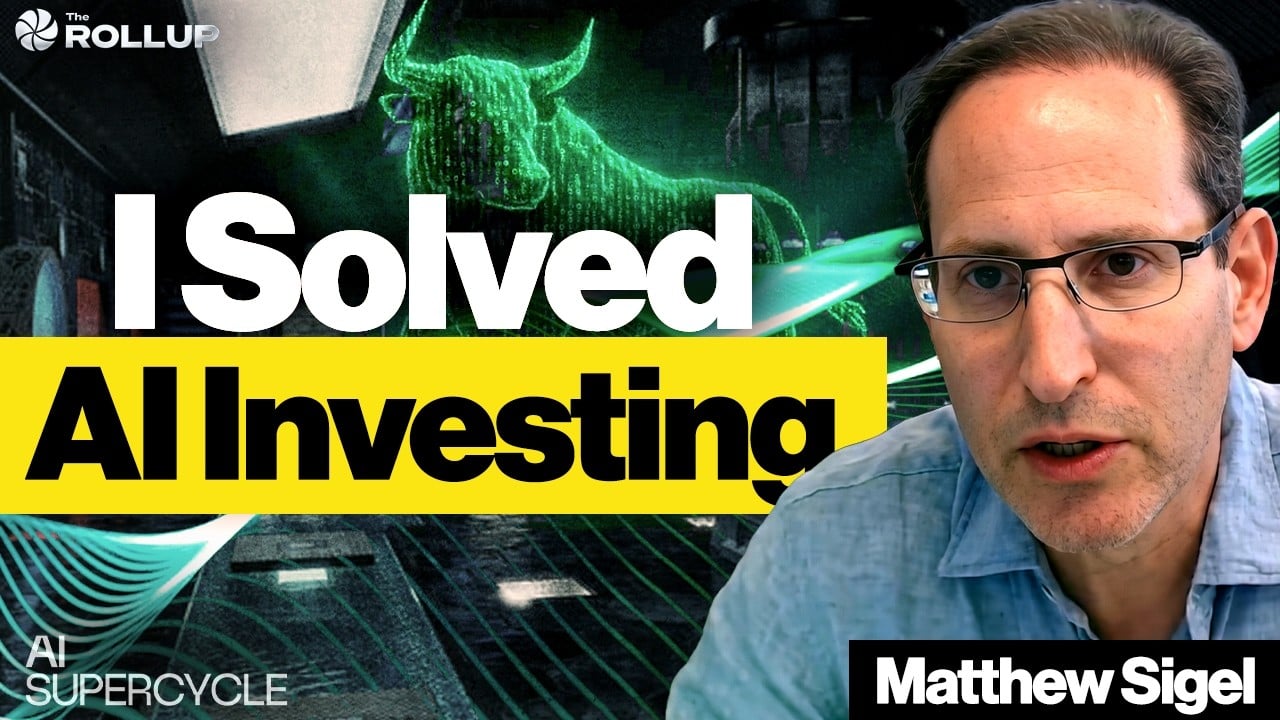
VanEck’s Matthew Sigel says AI infrastructure is not a bubble, while institutional disappointment with L1s is weighing on crypto
Matthew Sigel, head of digital assets research at VanEck and manager of the VanEck Onchain Economy ETF (NODE), said the current AI infrastructure trade should not be viewed as a replay of the 19th-century railroad bubble. In his view, the key difference is funding: this cycle is backed by private-sector contracts, multi-year backlog, customer prepayments, and in some cases customer-supplied GPUs, rather than government-led land grants and speculative bond issuance. Sigel said the four largest cloud providers now hold more than $2 trillion in signed backlog, with Microsoft and Oracle accounting for roughly half. Sigel also argued that crypto’s weak tone is not mainly a macro story. He said institutions have grown disappointed with major Layer 1 networks after many tokens doubled following the election without a breakout application or a clear wave of new capital formation. VanEck has reduced exposure to Solana, ETH, and other mainstream L1s since the election, while paying closer attention to enterprise-chain efforts tied to Circle, Stripe, Robinhood, and even Wells Fargo. He said regulated institutions do not want to place significant value directly on open networks and often need to support several chains at once, which weakens the winner-take-all case for any single L1. On portfolio positioning, Sigel said NODE has outperformed Bitcoin by nearly 100 percentage points over the past 15 months, largely by identifying the undervalued power and land controlled by Bitcoin miners shifting toward AI data center use.