Bixin Ventures to host AI & Emerging Onchain Assets event in Singapore during TOKEN2049
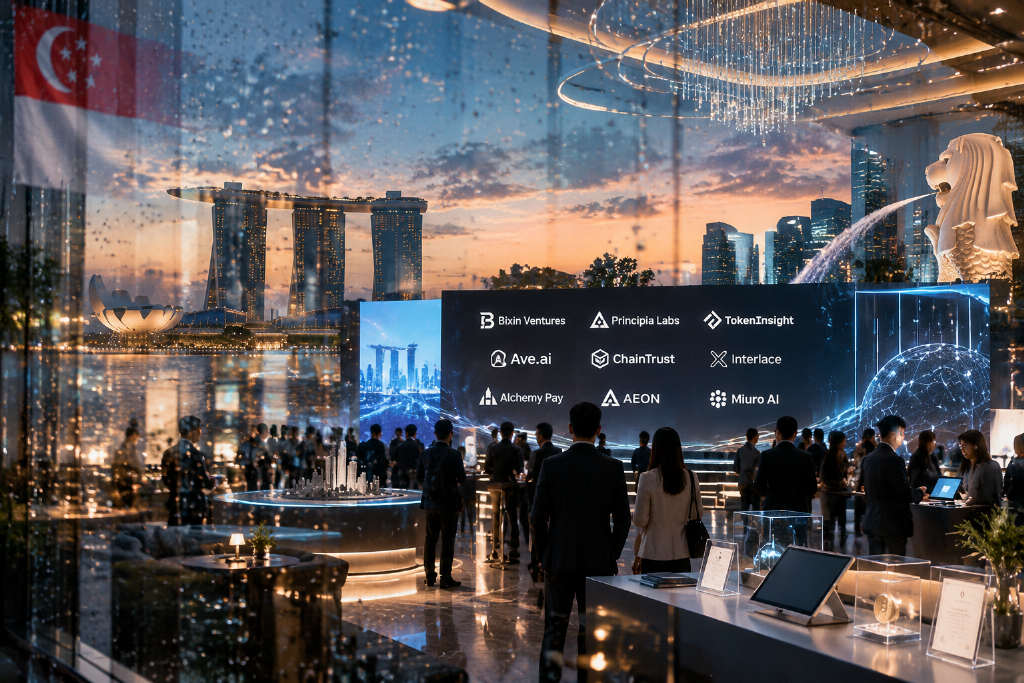
Bixin Ventures said it will hold the AI & Emerging Onchain Assets event in Singapore on Oct. 8, 2026, during the TOKEN2049 period, with a program centered on practical use cases for AI, real-world assets, and onchain liquidity. The event will take place at Linson and carry the theme "Value, Real-World Assets & Liquidity," bringing together founders, developers, investors, and community participants.
Principia Labs is serving as organizer, while TokenInsight, Ave.ai, ChainTrust, Interlace, Alchemy Pay, AEON, and Miuro AI are listed as co-hosts. The agenda includes five keynote sessions from Ave.ai, Alchemy Pay, Interlace, ChainTrust, and Miuro AI, plus two panel discussions: "AI × Onchain Assets" with Kite, Stable, AEON, and TadaPay, and "The Future of Trading" with Pump.fun, Orderly, and Variational.
HALO Finance is also scheduled to present a showcase on a Gold-fi layer linking physical gold RWA with the AI ecosystem. The event has eight sponsors: Pump.fun, Stable, Tencent Cloud, TadaPay, AWS, Beosin, ELLIPAL, and COMBO Technology. According to the release, the venue will also feature interactive booths, product demos, task challenges, refreshments, and gifts.