Tokyo’s art network runs from Roppongi museums to Akihabara subculture, ULTILAND says
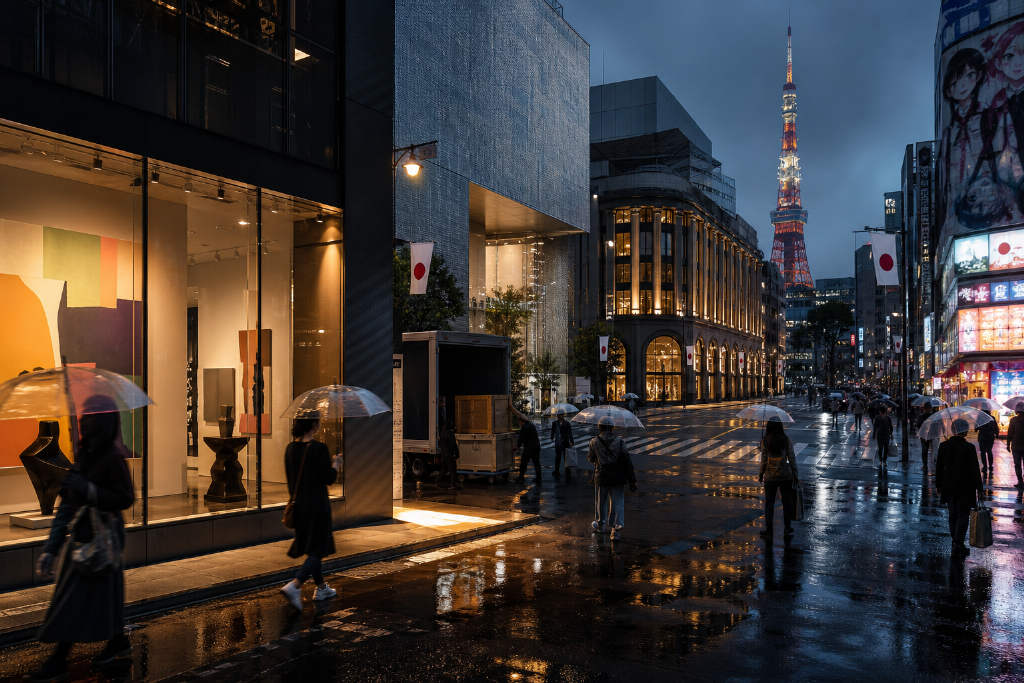
A past AMA session organized by ULTILAND framed Tokyo not as a city defined by a few famous districts, but as a layered cultural system where museums, commercial galleries, design institutions, architecture, fashion, collectors, and subculture all feed into one another. In the discussion, art project lead Hannah and co-founder Tangtang argued that Tokyo stands apart from Hong Kong and Seoul because its art scene was built over decades and operates with unusual depth rather than around a single market engine. The conversation moved across key districts including Roppongi, Ginza, and Omotesando, pointing to Mori Art Museum, The National Art Center, Tokyo, and 21_21 DESIGN SIGHT as examples of how art and daily life intersect in the city. It also used Yayoi Kusama, Takashi Murakami, and Yoshitomo Nara to show three different paths from Tokyo into the global art world. On the market side, the speakers described Japan’s art ecosystem as stable and long-term, supported by private, corporate, museum, and gallery collecting. They also argued that anime, manga, gaming, and fan culture are not peripheral to Tokyo’s art identity but part of the visual culture that keeps generating new forms. In their comparison, Hong Kong connects capital and top collectors, Seoul links younger culture and fast-growing markets, while Tokyo ties together art, design, architecture, subculture, and long-term collecting.