AI agents are getting closer to live trading, but simulation and wallet controls still sit between testing and real capital
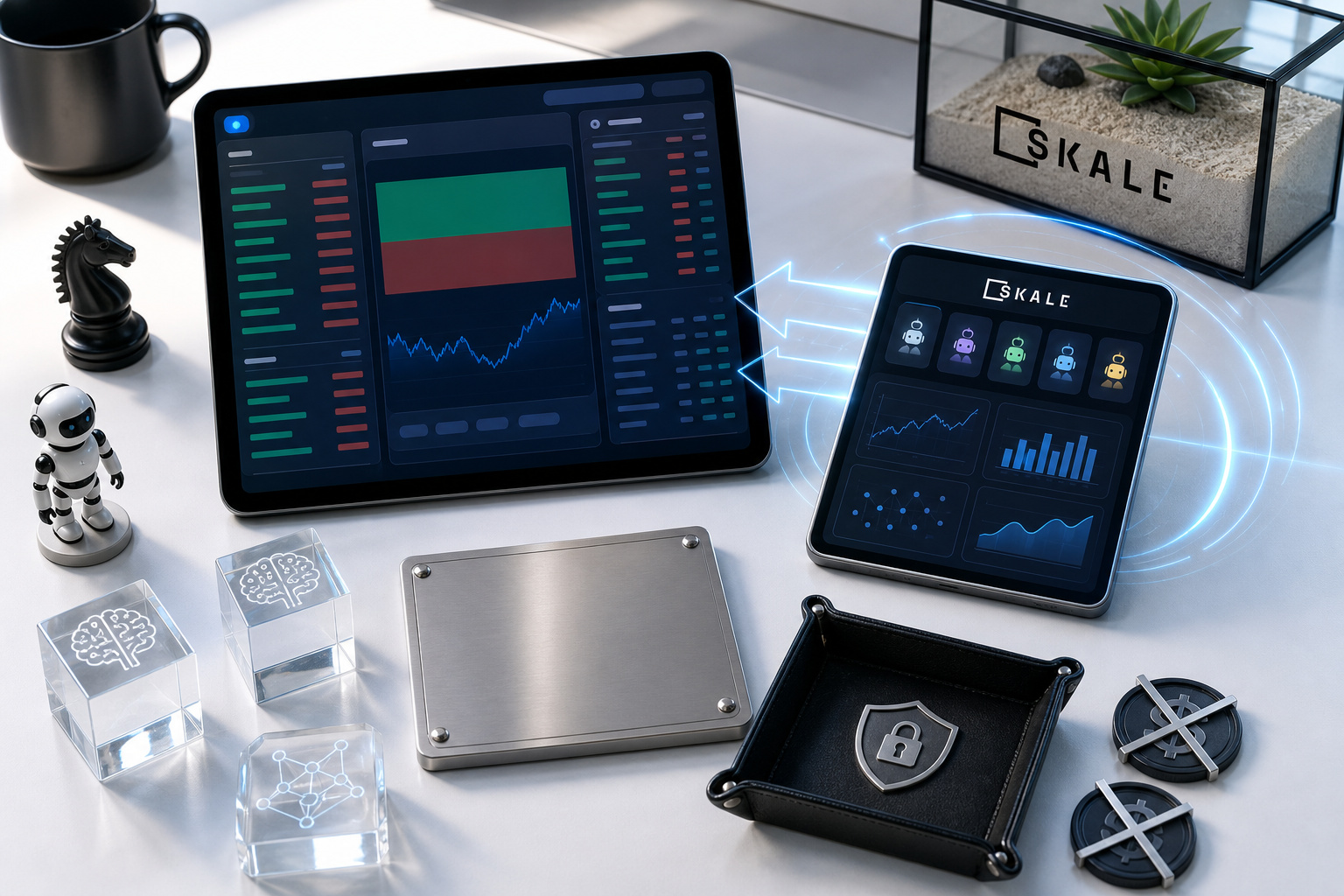
A new crop of infrastructure is pushing crypto AI agents beyond tool use and toward actual task execution, especially in trading. In OdailyHot’s analysis, the shift is not just about smarter foundation models. It is about whether an agent can operate in a changing environment, absorb feedback from prior decisions, and keep adjusting without direct human intervention. The article points to three pieces moving into place. SKALE’s AgentPit, launched in mid-August, mirrors Polymarket market data and API access inside a simulated trading sandbox that uses a production-like CLOB order book, CTF tokens, and settlement logic, but swaps real funds for simulated USDC. Amazon Bedrock AgentCore Payments reached general availability on Aug. 18, allowing agents to autonomously pay for third-party APIs, MCP services, and data sources with support for stablecoins and x402. Binance followed on Aug. 20 with Agent OS, exposing agent-native interfaces for market data, accounts, wallet functions, and supported trading actions under user authorization. OdailyHot argues that this stack still leaves one critical layer before agents can safely handle real money: the wallet. The core challenge is not handing private keys to AI, but granting tightly bounded execution rights without surrendering final asset control. That is where policy limits, account isolation, session keys, and user override mechanisms become central.