Spiko

Stellar
2026-08-29 19:26:17

Stellar Tokenized RWA Market Cap Surges 360% to Nearly $4B

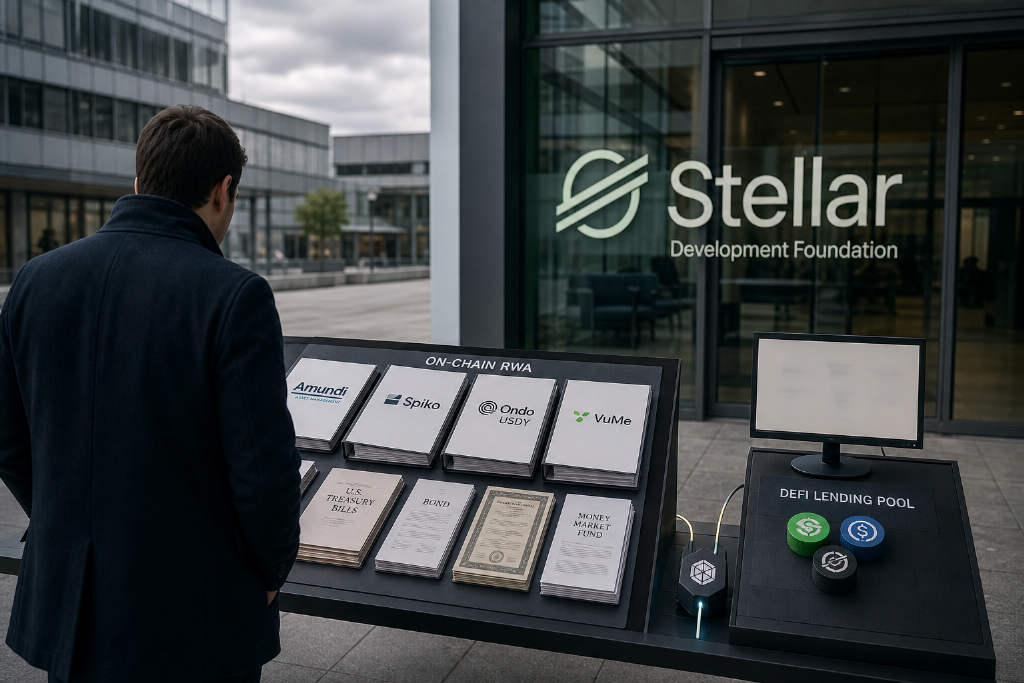
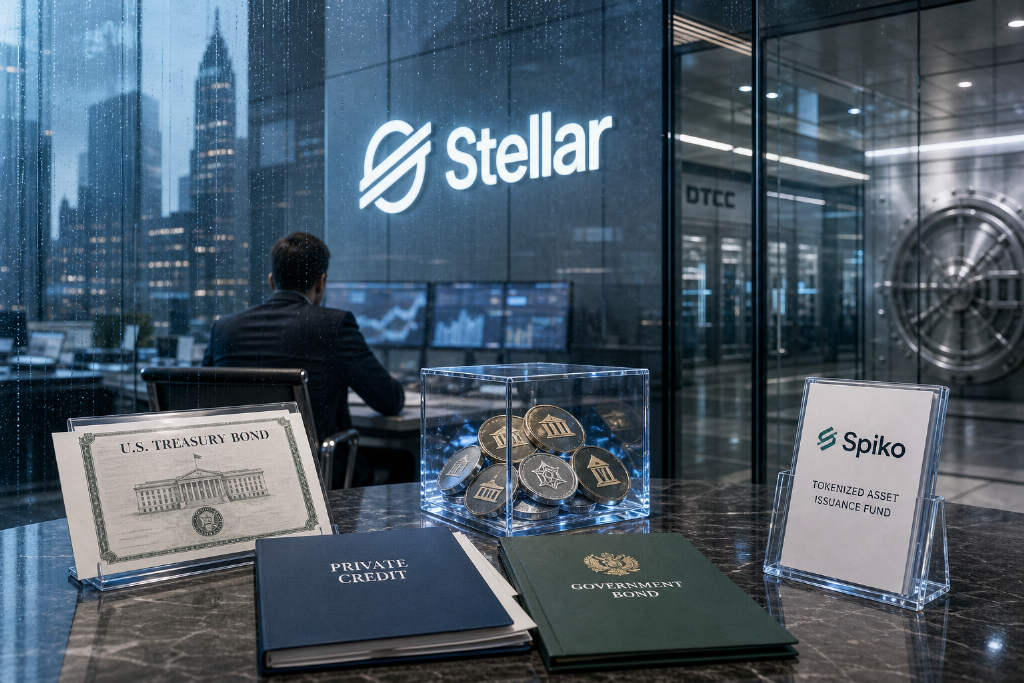
According to Cointelegraph, the market capitalization of tokenized real-world assets (RWA) on the Stellar network has grown by roughly 360% in 2026, climbing from $868.8 million at the end of last year to close to $4 billion. A Dune Analytics dashboard maintained by Stellar shows that as of Aug. 29, the network's RWA market cap stood at $3.996 billion, covering asset categories such as U.S. Treasuries, private and public credit, and non-U.S. government debt. Issuer concentration remains high: Spiko leads with $1.55 billion, followed by Realiz ($559 million), Tradable ($548 million), Franklin Templeton ($546 million) and Ondo ($535 million). The Stellar Development Foundation, citing RWA.xyz data, said the network held about $490 million in non-U.S. government debt as of Aug. 20, including tokenized Mexican CETES and Brazilian government bonds issued via Etherfuse. Institutional adoption is building momentum. In May, the Depository Trust & Clearing Corporation (DTCC) announced plans to connect its tokenization service to Stellar, with tokenized assets expected to go live in the first half of 2027. In July, Tradable said it planned to bring up to $1 billion in private credit assets onto Stellar.
60
Stellar Tokenized RWA Market Cap Surges 360% to Nearly $4B
Tokenized Tre
2026-08-29 09:45:10

Base Leads Tracked Chains With $636K Daily Rise in Tokenized Treasury Value

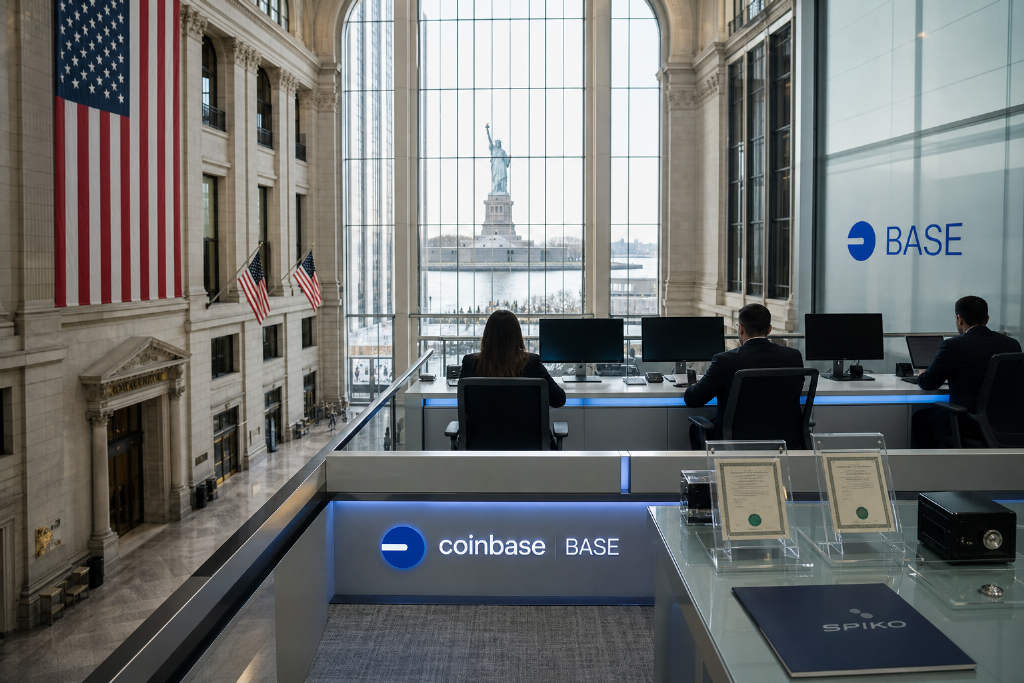
Coinbase's Layer 2 network Base recorded the biggest single-day increase in tokenized U.S. Treasury market value among all tracked blockchains, adding $636,000 in one day. Treasury-linked real-world assets on the network are now locked at roughly $37.95 million. The data, reported by Techub News and originally from CryptoBriefing, shows the overall tokenized U.S. Treasury market is currently worth about $13.6 billion to $16.2 billion, around triple the level at the start of 2025. Base's assets are mainly supplied by issuer Spiko. The figures indicate that fresh capital is exploring Layer 2 networks as a yield-bearing on-chain allocation option.

40
Base Leads Tracked Chains With $636K Daily Rise in Tokenized Treasury Value
Stellar
2026-08-28 17:40:45

Stellar RWA Supply Tops $3B in July as DeFi TVL Sits at $213M: RedStone

RedStone's latest report puts Stellar's tokenized real-world assets above $3 billion in July, a level that dwarfs the network's $213 million in DeFi total value locked. The mismatch is central to the report's warning: RWA issuance has moved faster than the lending markets and collateral pools needed to put those assets to work. Growth traces to four products, including Amundi and Spiko's overnight funds, Spiko's treasury fund, Ondo's USDY and VuMe Bond 2030. DefiLlama data shows Stellar's overall TVL at $232.72 million, with lending protocol Blend holding $150.03 million. The RWA-backed collateral pool is only about $2 million. RedStone points to settlement times as the core friction. Traditional Treasury, credit fund and money market fund rails were not built for instant liquidation, so a 24/7 price oracle becomes essential for making RWA usable as collateral. Stellar has integrated 55 SEP-40 price feeds covering Treasuries, corporate credit, tokenized gold and money market funds. The report also notes DTCC's plan to move custody assets onto Stellar by 2027; DTCC holds $114 trillion in custody assets.

60
Stellar RWA Supply Tops $3B in July as DeFi TVL Sits at $213M: RedStone
Tokenized Fun
2026-08-13 13:14:03

Tokenized fund race shifts from size to control of digital money rails

Tokenized money market and Treasury funds are moving beyond their original role as yield products and into a new position inside institutional digital cash systems. By May 2026, tokenized Treasury and money market funds had reached about $10 billion in combined assets, with BlackRock’s BUIDL alone accounting for roughly 40% of that total. At the same time, Hong Kong moved tokenized funds from a subscription-and-redemption model toward 24/7 secondary trading, while banks in Singapore began testing tokenized fund shares as collateral for lending and trading activity. The competition is now centered on utility rather than issuance alone. In the United States, tokenized funds are increasingly being tied to stablecoin reserve structures, including JPMorgan’s JLTXX on Ethereum, which is designed for reserve use under the GENIUS Act framework. Europe and the UK are focusing on fitting these products into formal regulatory systems. Singapore is pushing the collateral use case. Hong Kong, meanwhile, is trying to combine issuers, banks, trading venues and settlement infrastructure in one regulated market structure. What is emerging is not simply a new wrapper for traditional money funds. Tokenized fund shares are being tested as assets that can circulate across trading, settlement and credit networks. That raises a broader question for asset managers, banks and crypto platforms alike: in a market where cash management tools, bank deposits and digital currencies start to share the same rails, who will control access to the system itself?

240
Tokenized fund race shifts from size to control of digital money rails