AI startups
Oct 26, 2026

Elite U.S. students are skipping Wall Street and Big Tech for San Francisco AI hacker houses

A growing number of students from Ivy League schools, Stanford and the Massachusetts Institute of Technology are turning away from the traditional post-college track of Wall Street banks and major tech firms, according to an article published by MarsBit and sourced from the WeChat account Xinzhiyuan. The report says many of these students spent the summer in San Francisco “hacker houses,” where they traded structured internships for shared rooms, startup pressure and full-time work on artificial intelligence projects. The article centers on Princeton student Charles Muehlberger, who chose to leave the conventional route, launched an AI startup within four weeks and traveled to Barcelona to pitch a plan to run open-source AI models offline on local devices. He also decided to take a year off from school. The report says some incubators in Mission District and SoMa offer free housing, mentorship, founder networks, small amounts of startup funding and legal support, while demanding full commitment in return. The piece also stresses the downside. Most AI startups fail within 12 months, it says, and students who skip brand-name internships may find it harder to return to the traditional recruiting pipeline. One incubator mentor quoted in the article said only 3 out of 100 people may actually build something meaningful, even though nearly everyone believes they will be among that group.

360
Elite U.S. students are skipping Wall Street and Big Tech for San Francisco AI hacker houses
Zhipu
Sep 10, 2026

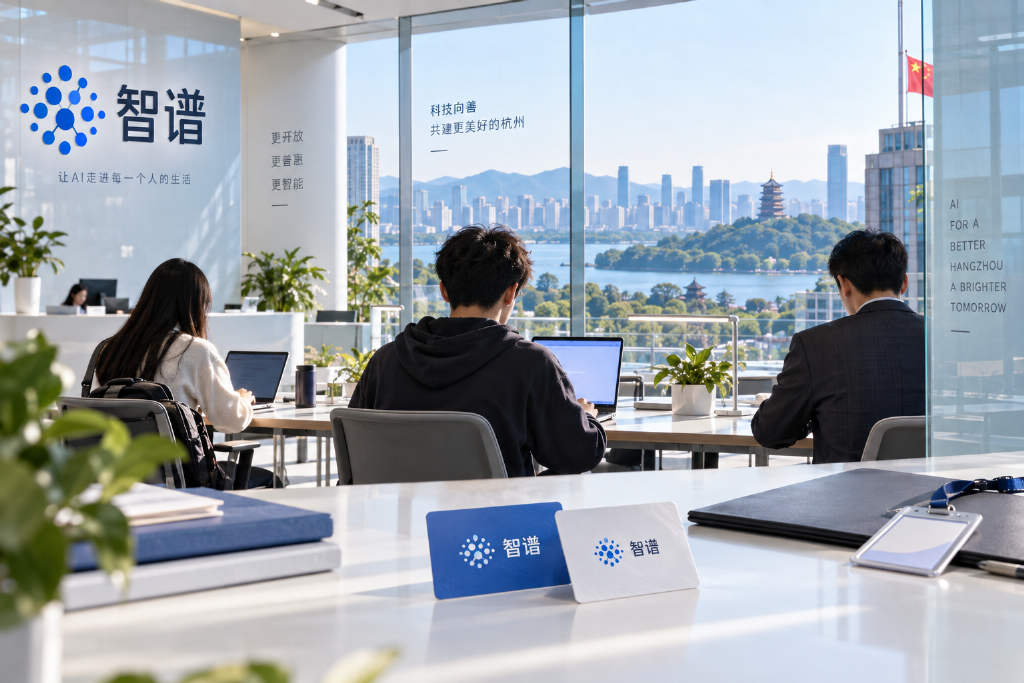
Zhipu launches citywide Coding Plan on Sept. 10 with subsidies for individuals and companies in Hangzhou

According to an official announcement from Zhipu, the company launched its "Citywide Coding Plan" on Sept. 10. The program offers Coding package subsidies to staff working in Hangzhou, students enrolled at universities in Hangzhou, and companies in Shangcheng District. For individuals, the subsidy covers 44% of the seasonal pass price and 51% of the annual pass price. For companies, the annual package subsidy is 55%, with a cap of 1 million yuan per company. Each individual can use the offer only once and must choose either the seasonal pass or the annual pass. Applications require proof of social insurance participation or a student enrollment verification report.

1500
Zhipu launches citywide Coding Plan on Sept. 10 with subsidies for individuals and companies in Hangzhou
OECD
Sep 9, 2026

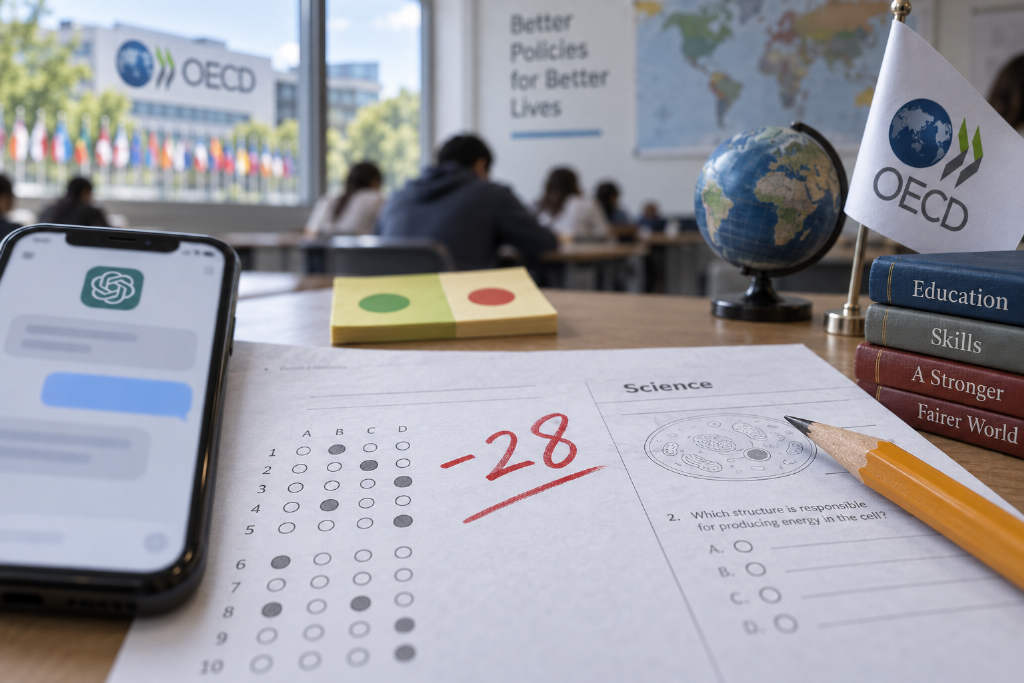
OECD’s largest-ever PISA test finds daily AI homework use linked to 28-point lower scores

The Organisation for Economic Co-operation and Development, or OECD, released its PISA 2025 results on Sept. 8, offering the first large-scale look at student performance after generative AI became widely available. The assessment covered more than 760,000 15-year-old students across 91 countries and economies, making it the biggest PISA exercise on record. According to the results, students who used AI for homework every day or almost every day scored 481 points in science, compared with 509 points for those who rarely or never used AI in that context. After adjusting for socioeconomic status, the gap stood at 28 points, which the report described as roughly equivalent to one and a half years of schooling. Across all use cases, the science-score gap between AI users and non-users was about 20 points. The findings were not entirely one-directional. Students who used AI about once a week to support learning posted the strongest results, at roughly 500 points, forming an inverted U-shaped pattern. OECD education and skills chief Andreas Schleicher said the issue was not AI itself, but whether students were taught how to evaluate AI-generated information. Among daily AI users, those who had regular classroom training on assessing AI outputs recovered 13 points in science scores.

1960
OECD’s largest-ever PISA test finds daily AI homework use linked to 28-point lower scores