Germany2026-09-08 16:45:35Germany Considers Ending Long-Term Tax Exemption for New Crypto Purchases After 2027Germany’s Finance Ministry is drafting a tax reform proposal that would impose taxes on gains from Bitcoin and other crypto assets purchased after Dec. 31, 2026, according to a post by Bitcoin News on X citing WELT. Those assets would no longer qualify for the current exemption linked to the length of time they are held. Existing holdings would remain subject to the current rules, under which a sale is generally tax-free after the assets have been held for more than one year. The proposed legislation is planned to take effect in 2027, while the first tax withholdings could begin in 2028. The proposal is still at an early stage and may be changed later. The information was reported by WELT and relayed by Bitcoin News; the proposal has not been presented as a final law.720
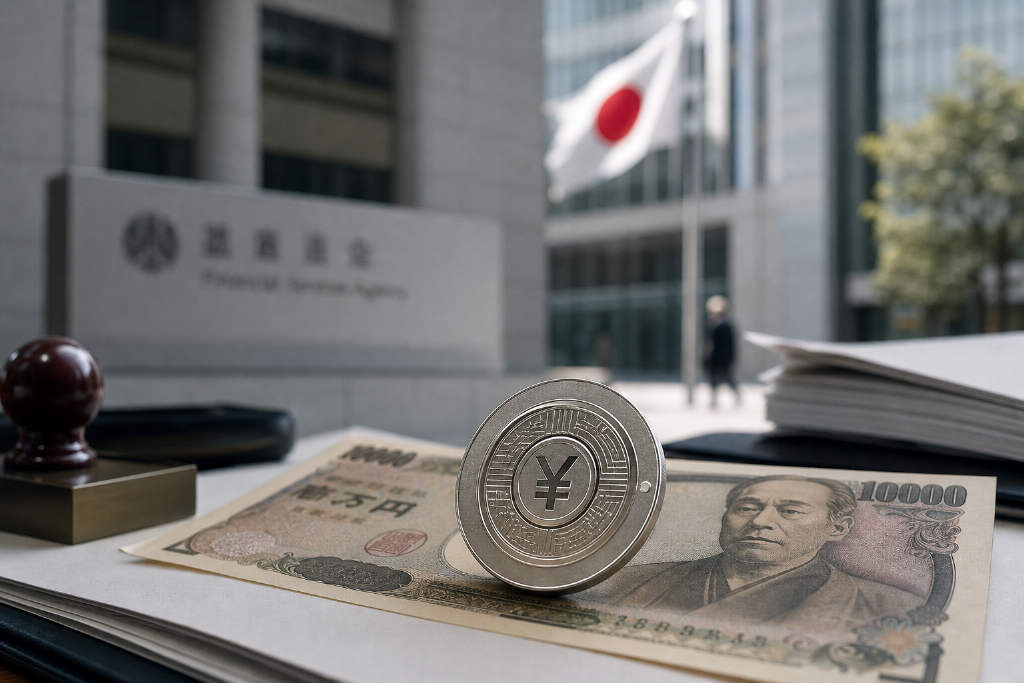
Japan FSA2026-09-01 11:06:42Japan FSA proposes expanding stablecoin use in high-value paymentsJapan’s Financial Services Agency has proposed promoting the use of stablecoins and other crypto assets in high-value payments as part of its tax reform request for fiscal 2027. The proposal sits within a broader package of reform measures submitted by government agencies, covering areas including investment aimed at economic growth. Those proposals are set to be reviewed and compiled by the end of the year. Separately, Japan’s Ministry of Economy, Trade and Industry is seeking a tax deferral system for gains from the sale of business operations by companies, a move intended to support corporate restructuring and growth investment. Existing inheritance tax rules may also be revised to encourage capital spending and improve profitability at small and medium-sized businesses. The report was cited by The Japan Times.290
Japan FSA2026-08-24 23:18:44Japan FSA May Ease Yen Stablecoin Trading Rules, Raising Personal Cap Above 1 Million YenTechub News said Japan’s Financial Services Agency plans to include a proposal in its upcoming tax reform request that would ease trust-based regulation for yen stablecoins. The move is intended to simplify transaction procedures and support circulation. The report also said the personal trading cap could be relaxed to above the current de facto 1 million yen limit. Nikkei reported the news on Aug. 24, and the FSA’s tax reform request has not been formally released yet.1020
South Korea2026-08-10 08:51:21South Korean Lawmaker Proposes Delaying 22% Crypto Investment Tax to 2030Chung Sung-kook, a lawmaker from South Korea's People Power Party, has put forward a proposal to delay the planned 22% cryptocurrency investment tax, moving the start date from January 2027 to 2030 instead. Under the proposal, the tax would apply to cryptocurrency transfers or lending income that exceeds 2.5 million won in a given year. The levy is designed as a 20% national tax plus a 2% local tax, making up the 22% rate. In the 2026 tax reform package finalized on August 3, South Korea's Ministry of Economy and Finance kept the 2027 implementation date unchanged. The lawmaker said postponing the new tax would give authorities more time to build investor protection mechanisms and the basic infrastructure required for fair tax collection. Alongside the delay proposal, other legislative bills seek a full repeal of the crypto income tax. The original report came from crypto.news and was relayed by Techub News.1740
South Korea2026-08-05 09:21:49South Korea's Tax Reform Skips Crypto Tax Delay, 2027 Timeline Likely StandsSouth Korea's annual tax reform package does not include any provision to further postpone the taxation of virtual assets, according to Korean media outlet MK. That leaves the 2027 tax timetable set out under current law most likely intact. Under the Income Tax Act, income from the transfer and lending of virtual assets will be classified as 'other income' starting in 2027. Each investor receives an annual exemption of 2.5 million Korean won; anything above that threshold is subject to a 20% income tax plus an additional 10% local income tax, for a combined rate of 22%. The government had announced the annual reform plan earlier, and MK reported that no additional delay for crypto taxation was included. The absence of a postponement clause means the existing legal schedule holds as the operative timeline. Investors will have the per-person exemption applied each year, with any remaining gains taxed at the combined rate. For crypto holders in South Korea, the reform plan keeps the 2027 start date in place.2170
South Korea2026-08-04 12:53:24South Korea Confirms 22% Crypto Investment Tax From Jan. 2027South Korea's Ministry of Economy and Finance has finalized its 2026 tax revision plan, confirming that the long-planned cryptocurrency investment income tax will take effect on Jan. 1, 2027, with no further postponement. Under the finalized scheme, annual gains exceeding KRW 2.5 million (around $1,740) will be taxed at 22%, and the first tax filing is set for May 2028. The ministry also pointed to the OECD's Crypto-Asset Reporting Framework (CARF), which it said will allow South Korea to receive overseas transaction data from 48 participating jurisdictions starting in 2027, including Japan, Germany and France. While the government has made its timetable clear, the measure could still be revised or delayed by the National Assembly. Opposition lawmakers, meanwhile, continue to push for scrapping the crypto tax altogether. Techub News first reported the development, citing crypto.news.700
South Korea2026-08-04 06:11:20South Korea keeps virtual asset tax plan in 2026 tax revision proposalSouth Korea’s Ministry of Economy and Finance has finalized its 2026 tax revision proposal without including a clause to delay taxation on virtual assets. If passed by the National Assembly, gains from virtual asset trading above 2.5 million won will be taxed at a 22% rate starting next year. The first filing is scheduled for May 2028. The tax plan had already been postponed three times before this latest proposal. Meanwhile, the opposition party has submitted a bill seeking to abolish the tax. The latest draft shows that the government is keeping the existing taxation framework in place rather than pushing it back again, leaving the final outcome to the parliamentary process.1810
Japan2026-07-24 06:33:53Japan advances digital asset legal overhaul as spot Bitcoin ETF could arrive as early as 2028Japan is moving ahead with changes to its legal framework for digital asset investment, opening a possible path for a spot Bitcoin ETF as early as 2028. The timeline is still conditional. Regulatory progress, product reviews and tax reform will all shape when such products can actually reach the market. On July 15, Japan’s parliament approved shifting Bitcoin and about 105 other crypto assets out of the Payment Services Act framework and into the Financial Instruments and Exchange Act. That change removes a major legal hurdle for related funds seeking a listing on the Tokyo Stock Exchange. Large Japanese financial groups including SBI Holdings and Nomura are also preparing digital asset products. Separately, Japan plans to revise crypto taxation from miscellaneous income tax rates of as high as 55% to a separate self-reporting tax regime of about 20.315%, a move that could materially change how crypto investments are treated under domestic rules.720