Can Chinese companies take stablecoin payments for overseas business? The answer depends on who gets paid
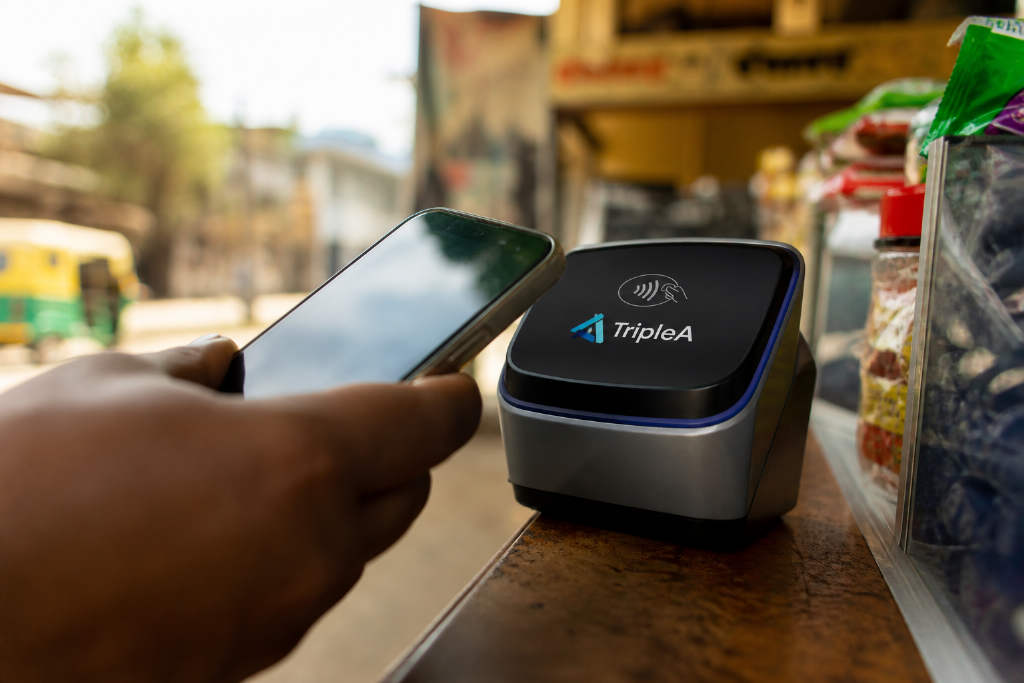
A MarsBit article by Shao Jiadian argues that stablecoin payments cannot be treated as a one-size-fits-all solution for Chinese companies doing business overseas. The legal outcome changes depending on whether the payee is a mainland China company, an offshore operating entity set up by Chinese shareholders, or a merchant that lets customers pay in stablecoins while receiving fiat through a licensed payment provider. The article says mainland rules still matter if the seller and creditor remain a domestic company, even if the customer is abroad or the wallet sits on an offshore platform. It also warns against treating USDT or USDC as the same thing as U.S. dollar deposits, and says real trade alone does not settle the compliance question. A notice issued on Feb. 6, 2026, identified as Yinfa [2026] No. 42, is cited as replacing the 2021 “924 notice” while maintaining restrictions on virtual currencies as a means of circulation. For offshore entities operating where local law permits, the piece says stablecoin payment can be one collection option, including models where a licensed institution handles the crypto leg and settles merchants in fiat. It uses Singapore-based TripleA as an example and says companies still need to verify licensing scope, contracting entity, settlement flow, tax treatment, foreign-exchange handling, and the legal basis for any funds remitted back to mainland China.