Samsung Electronics
Nov 3, 2026

Samsung to build second foundry plant in Taylor, Texas

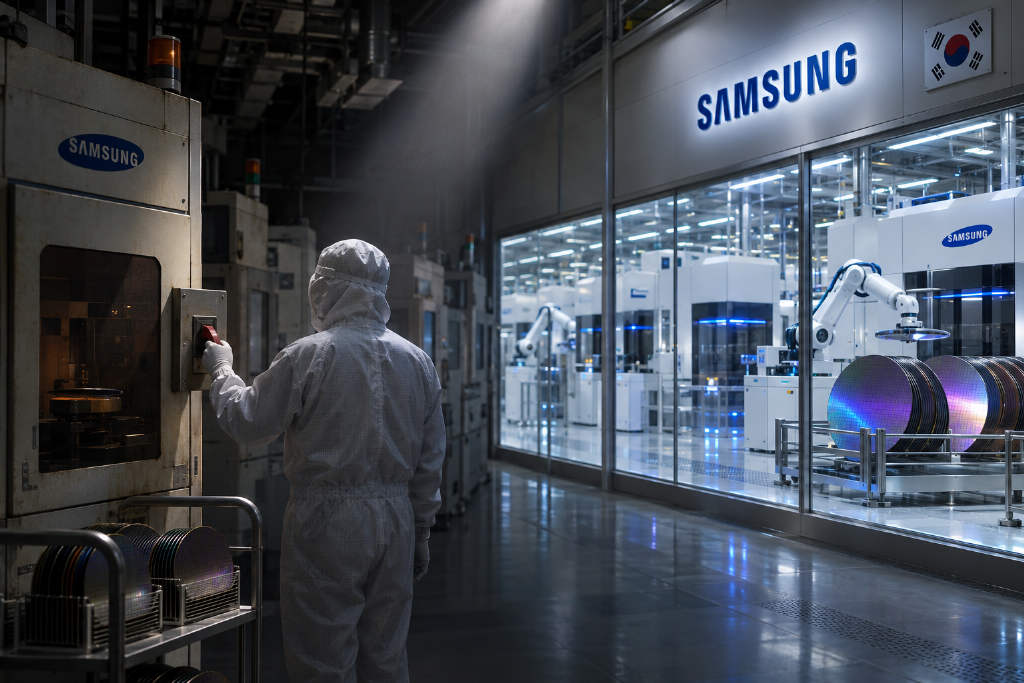
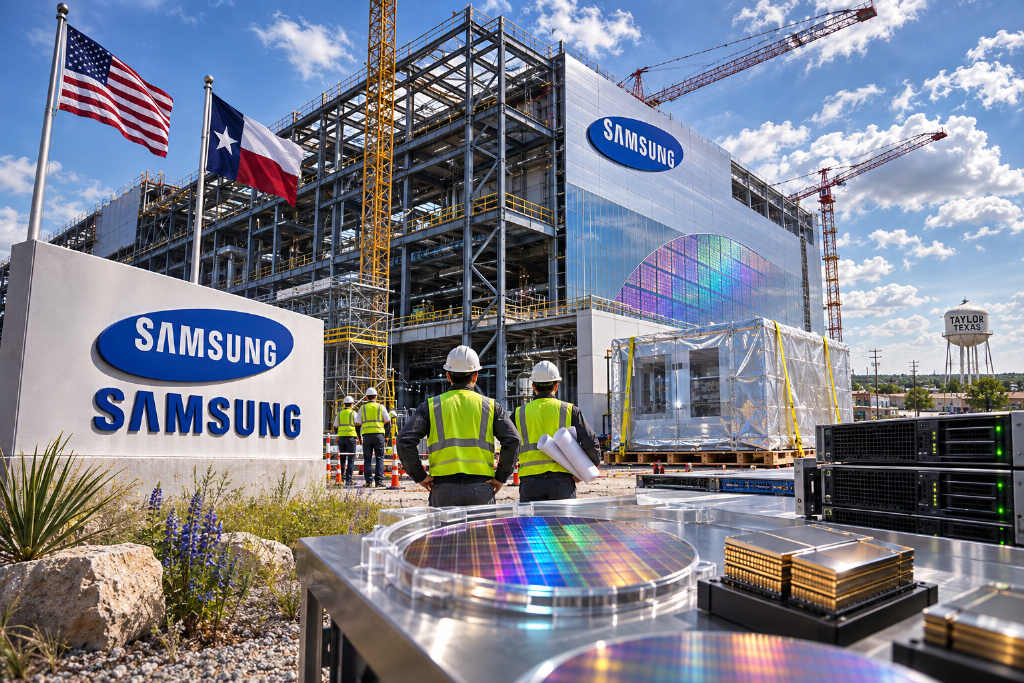
Samsung Electronics plans to build a second wafer foundry plant in Taylor, Texas, according to ChainCatcher. The facility will produce base dies used in high-bandwidth memory chips for Advanced Micro Devices (AMD) and Nvidia. Construction is expected to begin this month. The plant will use a 2-nanometer process and cover about 2.7 million square feet. ChainCatcher said the new site will be 1.5 times the size of Samsung’s first factory in the city. The timeline calls for equipment installation in February 2029, followed by the start of mass production in 2030. The report identifies the project as Samsung’s second foundry facility in Taylor and ties its output to HBM-related chip production for two major U.S. chip designers. No additional financial details were disclosed in the source text.
710
Samsung to build second foundry plant in Taylor, Texas
Intel
Nov 3, 2026

Intel Extends Slide as Former Director Urges Foundry Spinoff

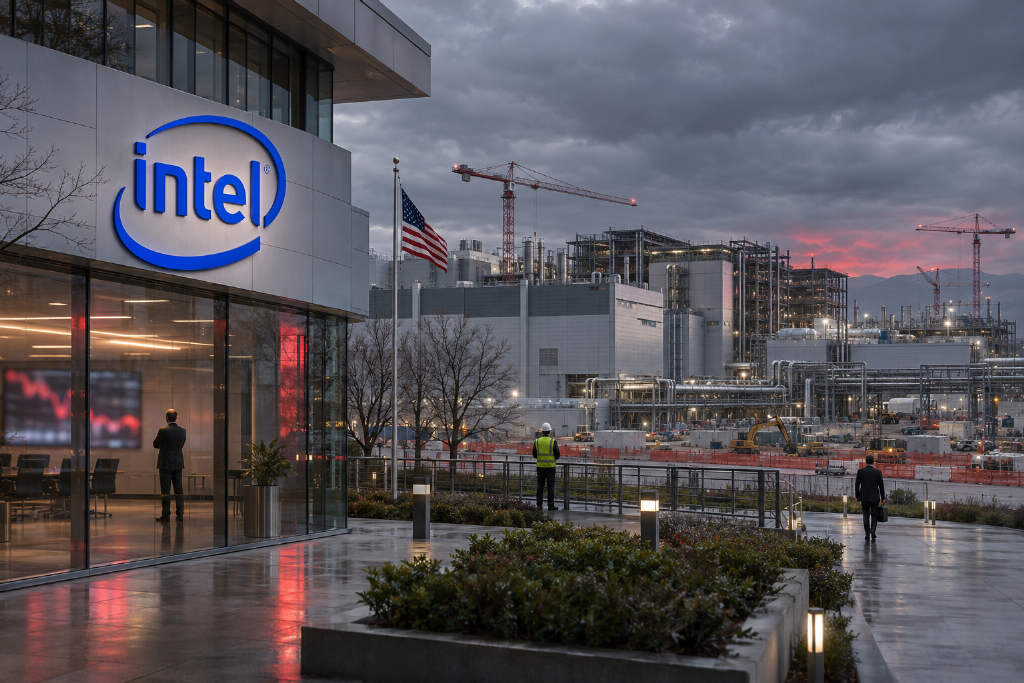
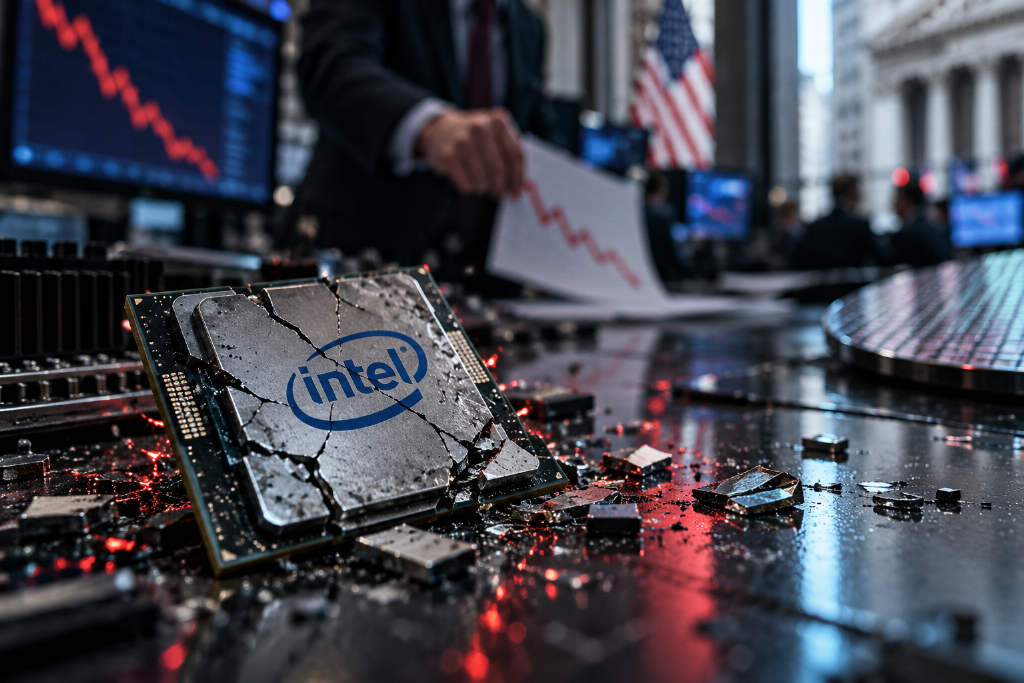
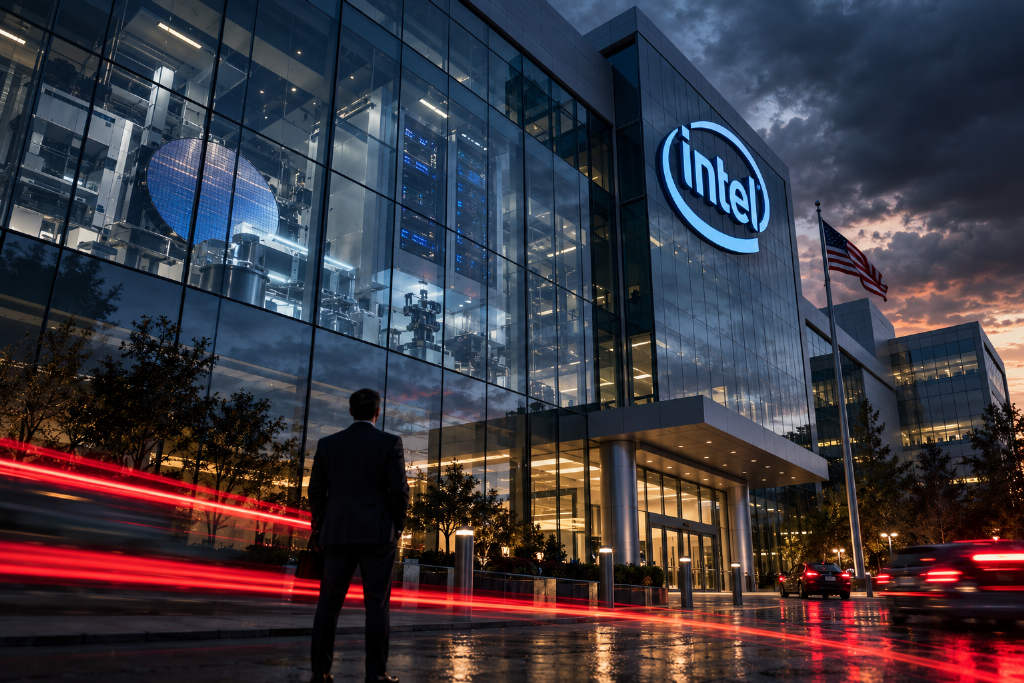
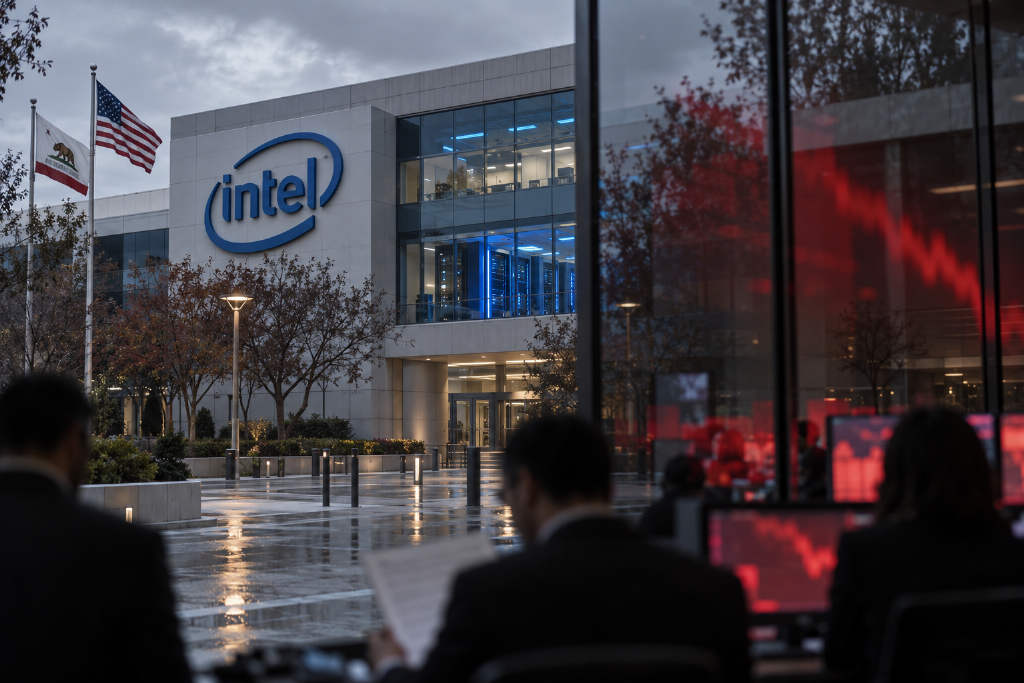
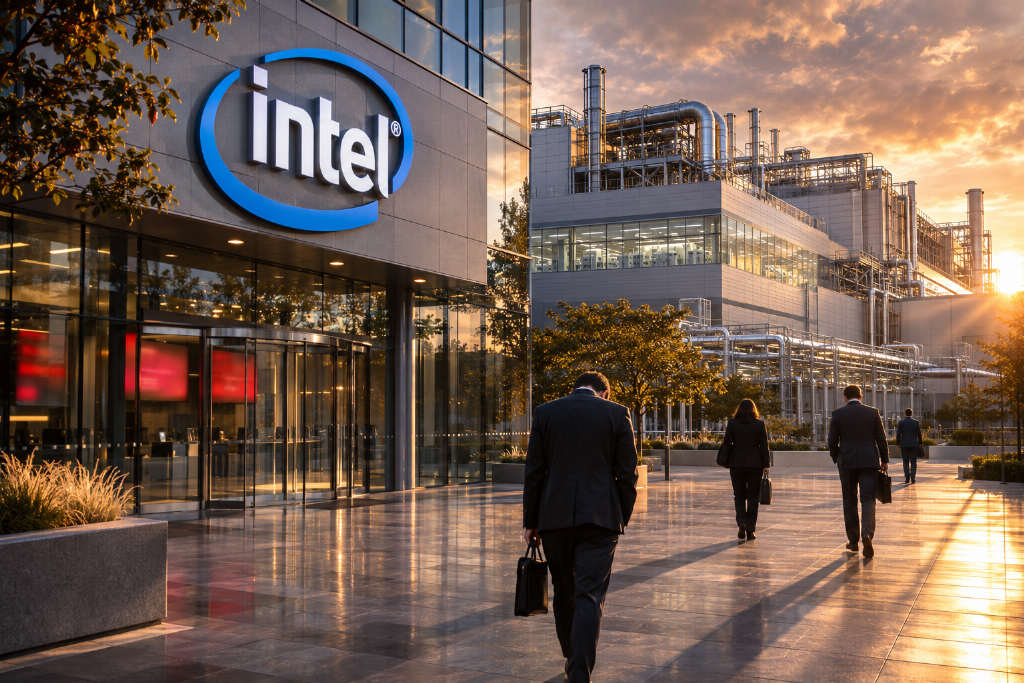
Intel shares fell another 8.80% on Monday to close at $59.97, taking the two-day loss to 34.9% after Friday’s sharp selloff. The drop far outpaced broader benchmarks such as the Philadelphia Semiconductor Index and the Nasdaq Composite, putting fresh attention on the company’s foundry push after five years of heavy spending. The market focus has shifted to Intel’s manufacturing business, where the company has spent $108 billion in capital expenditures over the past five years while still lacking a formally announced flagship external customer for its most advanced process. Reports this year linked Apple and Google to possible orders, but no official announcement has followed. Former Intel director Yoffie told CNBC that the company should spin off its foundry business, calling it not only the best solution but possibly the only one. He said potential customers may hesitate if Intel does not appear to have capacity beyond its own needs, and warned that financial pressure would become more visible if the company fails to land a major foundry client within a year. Intel, for its part, said customer confidence rests on execution and that both 18A and next-generation 14A are making progress.

810
Intel Extends Slide as Former Director Urges Foundry Spinoff
Paradigm
Nov 3, 2026

Paradigm unveils Solar, a Solidity compiler it says is up to 159x faster than Solc

Paradigm partner and CTO Georgios Konstantopoulos said the firm has released Solar, a new Solidity compiler aimed at speeding up smart contract development. According to his post, Solar compiles more than 100x faster on average than Solc using via-IR, with peak performance reaching 159x. He also said the bytecode produced by Solar outperforms Solc on runtime gas, deployment cost, and binary size. In some benchmarks, Solar was said to beat Solady without requiring developers to write assembly by hand. Konstantopoulos added that the compiler addresses the long-standing "stack too deep" issue. The project has already been integrated into Foundry and supports multithreaded compilation as well as LSP, or Language Server Protocol, support.

990
Paradigm unveils Solar, a Solidity compiler it says is up to 159x faster than Solc
Intel
Nov 2, 2026

Intel’s 28.58% plunge puts its spending-heavy foundry push back under scrutiny

Intel shares closed down 28.58% on Oct. 30, briefly falling more than 30% intraday to $65.76, marking the company’s second-worst single-day performance since 1974, according to Dow Jones market data. The sell-off came one day after Intel reported third-quarter results that, on the surface, looked solid: revenue reached $16.5 billion, up 21% year over year, adjusted EPS came in at $0.52, and the data center and AI segment jumped 78% in what the report described as the strongest growth in 15 years. The pressure point was guidance. During the earnings call, management framed 2027 as an “investment year,” saying capital expenditures would rise materially, free cash flow would remain negative, and deleveraging would still need to continue. The article traces how two successive leaders, Pat Gelsinger and Lip-Bu Tan, approached Intel’s turnaround from different angles but ran into the same constraint: a foundry expansion that requires huge spending, stronger yields, and far more outside customers than Intel has secured so far.

620
Intel’s 28.58% plunge puts its spending-heavy foundry push back under scrutiny
Samsung Electronics
Nov 2, 2026

Samsung plans to exit 8-inch foundry business by 2030 and shift focus to 12-inch advanced nodes

Samsung Electronics plans to fully exit its 8-inch wafer foundry business by 2030 and redirect its strategic focus to 12-inch advanced process technologies, according to a report by South Korean tech media outlet TheElec. The company is expected to gradually scale down its 8-inch production lines as part of that transition. The first major step will be the closure of the S7 plant in the Giheung complex in the second half of 2026. That facility has monthly capacity of about 50,000 wafers. After the S7 shutdown, Samsung’s total monthly 8-inch wafer capacity is expected to fall from 250,000 wafers to below 200,000. The report also said utilization rates at Samsung’s remaining S6 and S8 plants had dropped to around 70% at that point. Samsung foundry head Han Jin-man previously said the 8-inch foundry market had become increasingly crowded and price-driven, and that the company planned to gradually reduce its exposure to the segment.

560
Samsung plans to exit 8-inch foundry business by 2030 and shift focus to 12-inch advanced nodes
Intel
Oct 31, 2026

Intel shares sink 28.6% as weak Q4 outlook triggers Wall Street target cuts

Intel shares fell 28.6% on Oct. 30 to close at $65.76, marking the company’s worst single-day performance since the 1970s, according to CNBC. The selloff followed fourth-quarter guidance that came in well below market expectations, even though Intel’s third-quarter results had topped estimates. The company projected Q4 revenue of $15 billion to $16 billion and adjusted earnings per share of $0.25, versus LSEG consensus estimates of $17.1 billion and $0.43. Management also said client computing revenue is expected to drop by more than 20% sequentially as OEM partners continue to work through inventory. Wall Street firms moved quickly to cut price targets, with Bank of America downgrading the stock to Neutral and lowering its target to $100. Bernstein cut its target to $75, UBS lowered its target to $80, and Barclays reduced its target to $75. Analysts pointed to a worsening PC backdrop, mismatched capacity allocation between PC and server products, and limited visibility on Intel’s external foundry customer progress. Intel also said a gas cylinder explosion at its Fab 28 site in Kiryat Gat, Israel, would reduce fourth-quarter revenue by about $300 million, with a similar impact expected in the first quarter of next year.

780
Intel shares sink 28.6% as weak Q4 outlook triggers Wall Street target cuts
Intel
Oct 31, 2026

Intel Sinks 28.58% in Worst Day Since 1974 as Supply Constraints and Weak Guidance Hit Shares

Intel shares plunged 28.58% on Oct. 30 in the U.S., marking the company’s worst single-day performance since 1974 and wiping out more than $140 billion in market value overnight. The sell-off spread across the semiconductor sector, with SanDisk down 13.47%, Qualcomm off 11.12%, AMD and Arm both falling more than 10%, Broadcom, TSMC and Micron down about 5%, and Nvidia closing 4.22% lower. After the close, Intel shares hovered near $65. The sharp reaction came even as Intel reported strong growth in its data center and AI segment. Third-quarter revenue reached $16.5 billion, up 21% year over year, while Data Center and AI revenue rose 78% to $7.3 billion. Still, the company’s fourth-quarter outlook came in below Wall Street expectations. Intel projected revenue of $15 billion to $16 billion, versus prior expectations of about $17 billion, non-GAAP gross margin of 38%, and non-GAAP EPS of $0.25, below the $0.43 analysts had expected. Management pointed to wafer capacity limits, shortages in advanced packaging materials, pressure on the PC market from rising memory costs, and continued losses in foundry operations. Intel also said supply constraints could last into 2027, while capital spending is expected to reach about $20 billion in 2026 and rise sharply again in 2027.

710
Intel Sinks 28.58% in Worst Day Since 1974 as Supply Constraints and Weak Guidance Hit Shares
Intel
Oct 31, 2026

Intel shares fall about 30% after earnings as weak guidance overshadows data center growth

Intel’s third-quarter report showed clear operating improvement in several areas, but the market focused on what comes next. The company posted $16.5 billion in revenue for the quarter, up 21% year over year, while its Data Center and AI segment rose 78% to $7.3 billion, marking its strongest growth in 15 years. Intel Foundry also narrowed its operating loss to about $1.85 billion from roughly $2.09 billion in the second quarter. That was not enough to support the stock. Intel said fourth-quarter revenue is expected to come in between $15 billion and $16 billion, with the midpoint about 9% below the market’s roughly $17.1 billion estimate. Adjusted earnings per share are projected at $0.25, compared with consensus expectations of about $0.44. The stock fell about 25% in premarket trading and the decline widened to about 30% during the regular session. The report left investors weighing three issues at once: weakening PC demand, supply constraints that are limiting server shipments, and a foundry business that is still heavily dependent on internal revenue. Bank of America later cut Intel to Neutral from Buy and lowered its price target to $100 from $145.

750
Intel shares fall about 30% after earnings as weak guidance overshadows data center growth
Total 88 items
Go topage