Based
25 days agoNews Editor

Based says some KYC data was exposed, while Visa card funds remain unaffected

Web3 financial platform Based said it discovered on Oct. 5, 2026 that an unauthorized third party had breached an internal panel used to manage its Based Visa card program. After reviewing the incident, the company said some cardholder KYC data collected by the card issuer may have been accessed, including names, ID document numbers, dates of birth, and addresses. Based added that card numbers, CVV codes, PINs, transaction wallets, and funds stored on the cards were not affected, and that normal Visa card spending continues to operate. The company said it has notified affected users and reported the matter to regulators. It also warned users to stay alert for impersonation attempts and phishing attacks. The item was carried by Techub News and attributed to Wu Blockchain.

780
Based says some KYC data was exposed, while Visa card funds remain unaffected
BasedApp
25 days agoNews Editor

BasedApp says data breach exposed customer KYC information

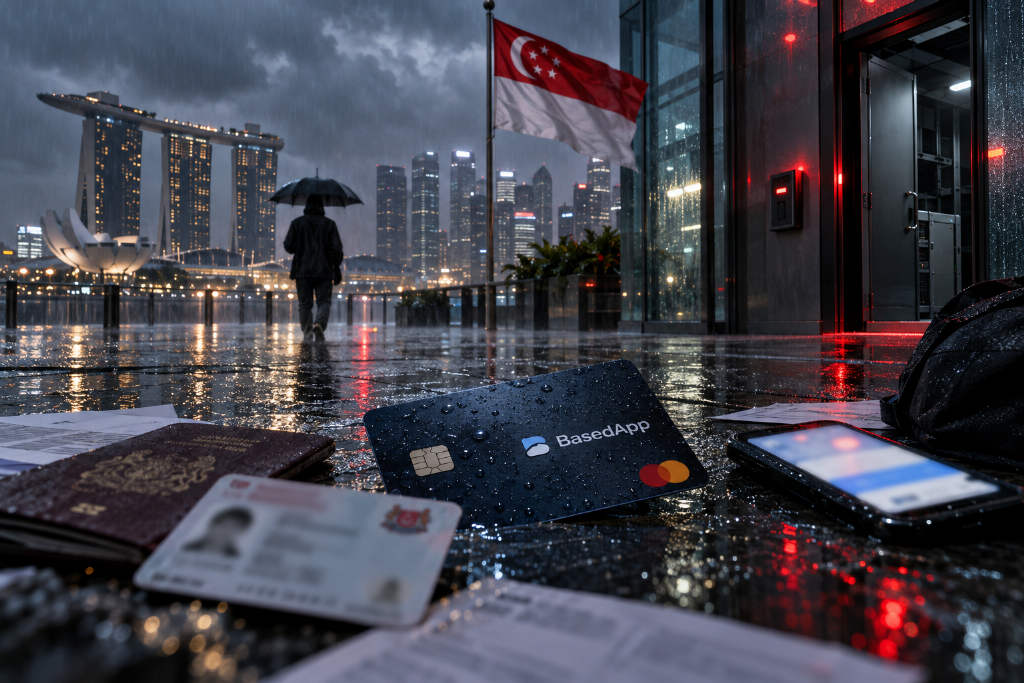
Crypto card platform BasedApp said it suffered a data breach after an unauthorized party accessed its internal operations system, exposing customer know-your-customer, or KYC, information. According to the disclosure cited by ChainCatcher, the exposed data includes names, dates of birth, nationalities, addresses, passport numbers or Singapore national registration identity card numbers, email addresses, phone numbers, and linked wallet addresses. The company’s statement, as presented in the source brief, identified the incident as a breach tied to unauthorized access to internal systems. No further details on the scope of affected users or follow-up measures were provided in the input.

710
BasedApp says data breach exposed customer KYC information
Japan FSA
23 days agoNews Editor

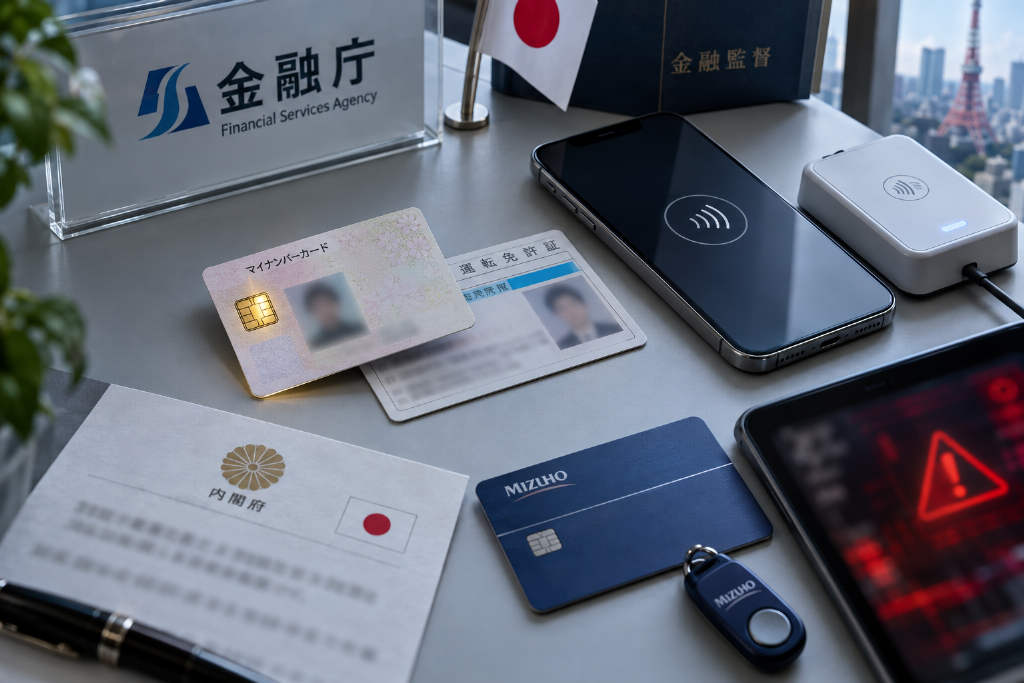
Japan FSA urges financial firms to stop photo-ID KYC early and move to IC chip verification

Japan’s Financial Services Agency on Oct. 9 told financial institutions to move faster on replacing photo-based remote identity checks with IC chip reading, rather than waiting for the formal rule change set for April 1, 2027. The warning followed a string of recent cyber incidents in which images of driver’s licenses and other identity documents were leaked together with customer data. Under revised rules tied to the Act on Prevention of Transfer of Criminal Proceeds, accepting images of identity documents for verification will be abolished from that date, with IC chip-based verification becoming the standard in principle. The FSA said reading IC chip data is “extremely effective” in preventing illicit activity, while leaving the exact transition timing to each firm. Until the switch is completed, institutions were told to re-check document images and customer face photos for unnatural signs, as impersonation methods have become more sophisticated. The notice also called for a review of cybersecurity controls, including third-party risk management and incident response, with reference to an alert issued the same day by Japan’s National center for cybersecurity coordination under the Cabinet Secretariat. Japanese media cited recent data leaks involving Times Car and Nippon Rent-A-Car, while CoinPost noted that crypto asset exchange service providers are also covered by the framework.

630
Japan FSA urges financial firms to stop photo-ID KYC early and move to IC chip verification
Tangem
25 days agoNews Editor

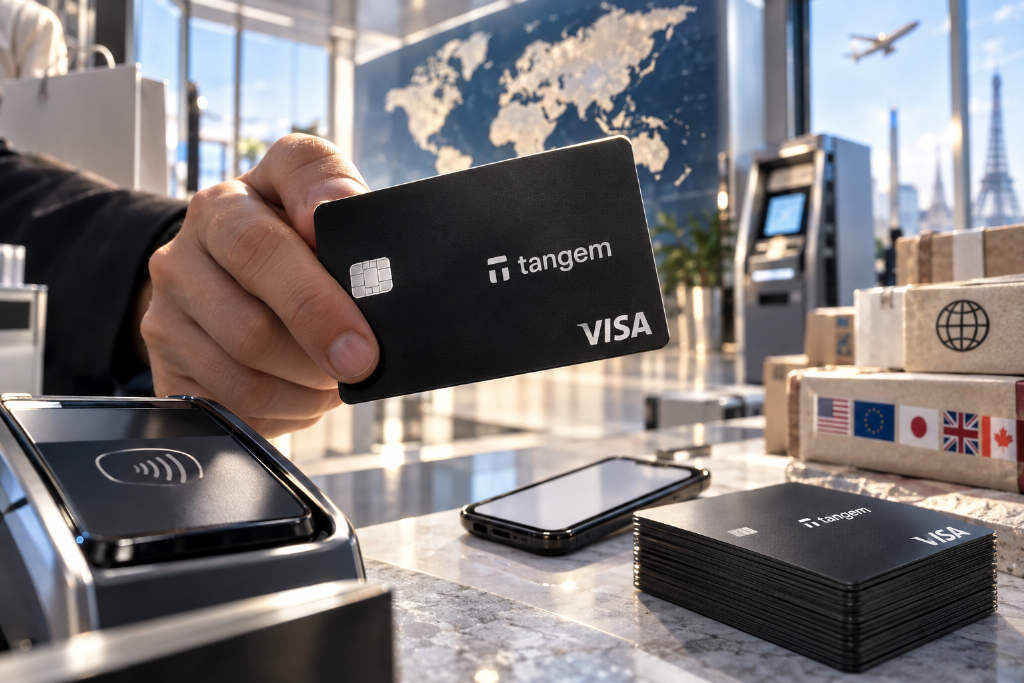
Tangem launches physical Visa card with first batch capped at 5,000

Crypto wallet provider Tangem has introduced its first physical Visa card, with an initial issuance capped at 5,000 units. The card supports in-store purchases, online payments and ATM cash withdrawals, and users can fund it directly from a self-custodial wallet. Tangem said funds can be moved back to the wallet if the card is suspended or closed. The company also shared regional usage data for Tangem Pay, saying more than 40% of payments come from Latin America and more than 30% from the United States. At the same time, Tangem said the physical card cannot currently be shipped to about 20 countries and territories, including China, Russia, North Korea and Palestine. It attributed those limits to KYC requirements, sanctions, banking rules and card-issuing compliance obligations. Tangem Pay will also offer USDC cashback on eligible spending, with Basic users receiving 1% and Plus users 2%. Tangem plans to showcase the first batch of physical cards during Token2049 in Singapore, according to Cointelegraph.

650
Tangem launches physical Visa card with first batch capped at 5,000
Cardano
26 days agoNews Editor

Cardano launches CIP-0113 on mainnet with built-in KYC, AML and freeze controls

The Cardano Foundation said at TOKEN2049 on Wednesday that CIP-0113, its programmable token standard, is now live on the Cardano mainnet. The framework lets issuers of stablecoins, tokenized funds, bonds and other regulated assets embed compliance rules directly into tokens, including KYC and AML checks, sanctions screening, freeze and seize powers, and transfer restrictions. According to the Foundation, those rules are enforced by the Cardano ledger whenever tokens are transferred, minted or burned, and the rollout did not require a hard fork. The Foundation said the standard was developed with Cardano community experts and completed multiple independent security audits, though it did not name the auditors. It added that tokens issued under CIP-0113 remain native Cardano assets built on the network’s extended UTXO model. Issuers can choose modular rule sets or write their own and update them as regulations change without altering the core standard. Eternl, GeroWallet, CardanoScan and BloxBean supported the launch. The Foundation also said Switzerland’s CMTA now recognizes CIP-113 Programmable Asset Tokens as equivalent to its CMTAT smart contract for certification purposes.

690
Cardano launches CIP-0113 on mainnet with built-in KYC, AML and freeze controls
Cardano
26 days agoNews Editor

Cardano launches CIP-0113 on mainnet with freeze and seizure controls for regulated tokens

Cardano has rolled out CIP-0113 on its mainnet, introducing a compliance-focused token standard aimed at regulated issuers. According to Techub, citing Crypto.news, the standard allows token issuers operating under regulatory requirements to integrate a set of control features directly into their tokens. These include know-your-customer, or KYC, checks, sanctions screening, transfer restrictions, and mechanisms for freezing or seizing assets. The update centers on compliance tooling rather than a general-purpose token change, and the reported feature set is designed for issuers that need to meet regulatory obligations. No additional implementation details, launch metrics, or issuer names were disclosed in the brief.

600
Cardano launches CIP-0113 on mainnet with freeze and seizure controls for regulated tokens
Firelight
24 days agoNews Editor

Firelight to reverse blacklist process and restore affected Flare wallets

Firelight, an onchain protection protocol, said some deposit addresses failed its funds screening process, leading the protocol to unstake the affected funds and return them to their original addresses. The move involved 87 addresses and a total of 117,500 FXRP. According to Firelight, its current compliance mechanism screens for blacklisted or OFAC-sanctioned addresses both when funds are deployed and throughout the full cycle. If an address is flagged at deployment or during the cycle, the funds remain in the protocol until the cycle ends, earn no rewards, but can still take part in the protection module for the rest of that cycle. Once the cycle ends, the funds are returned and the related wallets are blocked from reconnecting. Firelight said this approach is not sustainable and that it will reverse the blacklist process and unfreeze the affected wallets in the coming days, with the timing and steps for fund retrieval to be announced separately. The protocol added that its security, KYC, and institutional standards will remain unchanged, while a new user-friendly framework will be drafted over the coming weeks after community consultation. Flare co-founder Hugo Philion said 84 Flare addresses were unstaked under the compliance policy and that he will personally provide matching compensation to those that are not sanctioned and not broadly blacklisted.

670
Firelight to reverse blacklist process and restore affected Flare wallets
BasedApp
24 days agoNews Editor

BasedApp says data breach exposed customer KYC records and internal keys

BasedApp disclosed a data breach that exposed customer KYC data after an unauthorized party accessed its internal operations system, according to a post cited by ChainCatcher. The exposed information listed in the post included names, dates of birth, nationalities, addresses, passport or NRIC numbers, email addresses, phone numbers, and wallet addresses linked to those identity records. The same post also said someone entered the BasedApp team’s AI-agent backend through Google quick sign-in and obtained administrator privileges. It added that several credentials were exposed, including a Telegram bot token, an AI API key, an OpenClaw gateway token, and OpenAI keys. No further details on the scope of the breach or the number of affected customers were disclosed in the provided text.

740
BasedApp says data breach exposed customer KYC records and internal keys
Total 217 items
Go topage