YZi Labs
2 months agoNews Editor

YZi Labs backs FinTax as CARF pushes exchanges into long-term tax compliance work

FinTax, a crypto tax and accounting service provider, said on Aug. 27, 2026 that it had closed a seed round led by EASY Residency S4, an entity under YZi Labs, at a post-money valuation of $40 million. The deal comes as the OECD’s Crypto-Asset Reporting Framework, or CARF, moves from preparation to execution in key markets. The U.K. began implementing related rules in January 2026, while the European Union started applying DAC8 rules aligned with CARF over the same period. The report argues that the real burden for exchanges is not limited to filing reports. Platforms must identify reportable users, collect self-certifications, verify tax residency data against existing KYC records, and complete due diligence on pre-existing users within the applicable timeline. For the first jurisdictions, that deadline is Dec. 31, 2026. It also highlights the operational and engineering load behind CARF. Spot crypto-to-crypto trades may need to be split into acquisition and disposal legs, transfers must be categorized, and internal data from KYC, matching engines, wallets, payments, staking, and lending systems must be mapped into OECD CARF XML structures. The piece says this turns compliance into a long-lived data pipeline that requires legal interpretation, systems integration, and ongoing tracking of local reporting rules.


1020
YZi Labs backs FinTax as CARF pushes exchanges into long-term tax compliance work
Pi Network
2 months agoNews Editor

Pi Network says 417,000 KYC-flagged accounts cleared, 497,000 wallet users to be unfrozen

Pi Network’s core team said in an official blog post that it has cleared a KYC and mainnet migration bottleneck affecting more than 914,000 users. Of that total, 417,000 accounts that had previously been flagged as possible duplicates were reviewed and determined not to be duplicates, allowing those users to continue the KYC process. Separately, 497,000 users who created wallets through a fast-track path will have their accounts unfrozen in an update scheduled for deployment next week. The team said the duplicate-account fix does not amount to automatic final approval, and affected users must still meet other applicable KYC requirements. The update also includes technical changes, including improved resource management for machine learning-based video processing and adjustments to liveness detection logic to support older devices. Pi Network added that it is advancing Protocol V27 in its Testnet 2 environment as part of preparations for the eventual mainnet launch. According to the team, the new protocol has been running steadily at 250 transactions per block with no failed records.

990
Pi Network says 417,000 KYC-flagged accounts cleared, 497,000 wallet users to be unfrozen
Curacao
2 months agoNews Editor

Curacao regulator hack raises risk of exposure for crypto casino data

Crypto casinos registered in Curaçao could face exposure of sensitive operator data after the island’s gambling regulator disclosed a hack affecting its online gaming portal. The Curaçao Gaming Authority, or CGA, said on September 17 that unauthorized access had been contained, but the investigation was still underway and the full scope of the breach had not yet been established. The regulator also said it was assessing what information may have been accessed and what consequences could follow. The incident has triggered speculation on X that documents tied to casino operators and beneficial owners may have been taken. Users pointed to the possibility that materials submitted during licensing, including photo identification and other personal information, could be leaked or used for extortion if attackers obtained them. CGA said it would directly notify any affected individuals, applicants, licensees, or other stakeholders if the breach is found to have impacted them. The report also notes that Curaçao has long attracted online casinos because of relatively relaxed gambling rules. Rollbit, 1xBet, and Stake have all been registered there, while Rollbit’s Curaçao license appears to have been revoked this month. Earlier this year, the country introduced new legislation requiring transparent anti-money laundering and identity verification procedures as it sought to improve its gambling oversight record.

590
Curacao regulator hack raises risk of exposure for crypto casino data
CoinUp
2 months agoNews Editor

CoinUp launches million-CPX airdrop campaign through Sept. 30

CoinUp has officially launched a million-CPX airdrop campaign, according to an official announcement cited by BlockBeats on Sept. 15. The event runs from Sept. 15, 2026 to Sept. 30, 2026, in UTC+8. During the campaign, new users can earn CPX rewards by completing designated tasks, including registration, KYC, deposits and futures trading. The program also includes an invitation mechanism: users who join through a referral can unlock extra rewards together with the inviter. CoinUp said the campaign centers on completing tasks to claim the airdrop and increasing rewards through friend invitations. The more valid new users a participant invites, the more CPX rewards they can receive.

690
CoinUp launches million-CPX airdrop campaign through Sept. 30
Revolut
2 months agoNews Editor

Revolut data leak escalates into extortion as attackers threaten daily releases

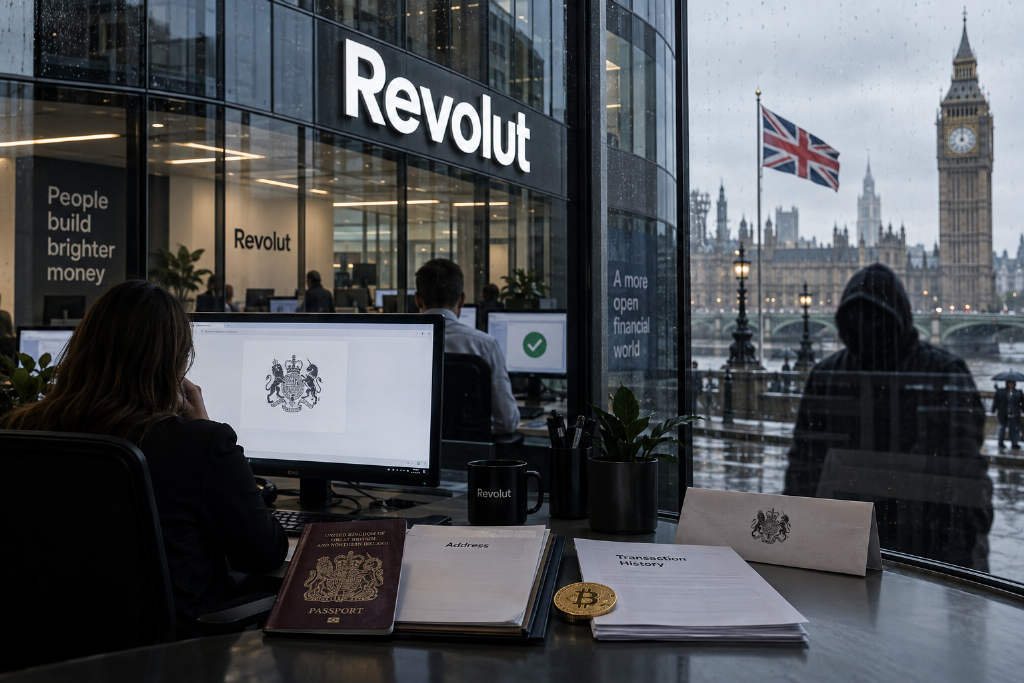
Revolut is facing a more serious fallout from its recent data disclosure incident after attackers claiming to hold customer files said they are now extorting the company and may publish more records every day if payment is not made. City AM reported on Sept. 14 that a group calling itself "Revolut Smilik" confirmed it was demanding money from Revolut and issued the threat through Telegram. The development follows earlier reports that Revolut had been tricked by a fraudulent data request sent from an email account located within a real government domain, leading the company to hand over customer information to unauthorized parties. According to reporting cited in the source material, the exposed data may include passports or driver’s license copies, identity verification selfies, dates of birth, addresses, phone numbers, account statements, IBAN details, withdrawal records and full transaction histories, with some records potentially covering Bitcoin transactions. Revolut told Reuters that only a "very limited" number of customers were affected and said its systems and customer funds were not breached. The company has not disclosed how many users were impacted, whether it will respond to the extortion demand, the name of the government entity whose infrastructure was abused, or the amount of ransom being sought. The U.K. Information Commissioner’s Office said it has received a report and is assessing the material.

1510
Revolut data leak escalates into extortion as attackers threaten daily releases
Revolut
2 months agoNews Editor

Revolut says fake government email exposed some customer data

Revolut said some customer data was disclosed after the company received fraudulent information requests that appeared to come from a government agency. The exposed material included passport copies, verification selfies and full transaction histories, according to the report. International Cyber Digest said on X that the requests came from a legitimate government agency email domain and passed Revolut’s authentication checks, though the company later determined they were not genuine. Revolut said affected customers were notified on Friday. A spokesperson told Cointelegraph on Saturday that the incident involved a sophisticated external impersonation scam in which an unauthorized third party used a legitimate government agency domain email to submit fraudulent requests for information. Revolut said it blocked the address after detecting the issue, alerted the relevant government agency, and informed law enforcement agencies and financial regulators. The company added that its systems and customer funds were not affected and that only a limited number of individuals were impacted. The incident also drew criticism on X over mandatory data-sharing practices, while ZachXBT reportedly said the case appeared limited in size and targeted at high-net-worth users.

640
Revolut says fake government email exposed some customer data
Revolut
2 months agoNews Editor

Revolut says limited user KYC data and Bitcoin trading records may have been exposed

Revolut said an unauthorized third party used an email address hosted under a real government-domain name to submit fraudulent customer data access requests, leading to the exposure of sensitive information belonging to a small number of clients. The company described the incident as a "complex external impersonation scam" and said the relevant email account has now been blocked. Revolut added that its internal systems and customer funds were not affected. The information that may have been disclosed includes names, dates of birth, home addresses, email addresses, phone numbers, copies of identity documents such as passports and driver’s licenses, verification selfies, account statements, IBAN details, withdrawal records, and full transaction histories, including Bitcoin transactions. Former Mt. Gox CEO Mark Karpelès said he was among those affected. Revolut did not disclose how many customers were impacted, whether the incident was limited to a single market, or which government entity owned the spoofed domain. The company said it has notified the relevant government body, law enforcement, data protection authorities, and financial regulators. On-chain investigator ZachXBT said the scale may be limited, though high-net-worth users may have been targeted.

1220
Revolut says limited user KYC data and Bitcoin trading records may have been exposed
Revolut
2 months agoNews Editor

Revolut handed over passport, address and Bitcoin records after mistaking a fake government request for a real one

Revolut has notified some customers that it disclosed personal and financial data after accepting what appeared to be a formal government information request that later turned out to have come from an unauthorized third party. The company said the request was sent from an unauthorized email account hosted within the infrastructure of a real government domain, allowing it to pass SPF, DKIM and DMARC checks. According to customer notices described in the report, the exposed data may include names, dates of birth, occupations, home addresses, email addresses, phone numbers, passport or driver’s license copies, selfie verification images, IBAN details, account status, account opening dates, wallet reference numbers, withdrawal records and full transaction histories, including Bitcoin transactions. As of Sept. 12, there was no public indication that Revolut’s systems had been breached, no evidence that passwords, card PINs or crypto private keys were stolen, and no public report that customer funds had been directly moved as a result of the incident. Revolut has not disclosed how many customers were affected or which government institution’s domain was abused.

1220
Revolut handed over passport, address and Bitcoin records after mistaking a fake government request for a real one
Total 217 items
Go topage