Bit.Fan Crypto Academy

Learn Crypto with Bit.Fan Academy

From beginner to advanced — master exchanges, wallets and blockchain essentials

bitcoin

How to Store Bitcoin Locally and Keep the Keys Safe

To store bitcoin locally, you must control the private keys yourself. This guide covers wallet setup, offline backups, recovery checks, and common mistakes.

How to Store Bitcoin Locally and Keep the Keys Safe

What Do Bitcoins Look Like? A Beginner’s Guide
Bitcoins do not have a fixed physical look. Most people see Bitcoin as a wallet balance, QR code, address, or blockchain transaction record.

What Do Bitcoins Look Like? A Beginner’s Guide

How to Load Bitcoins Into a Wallet or Account
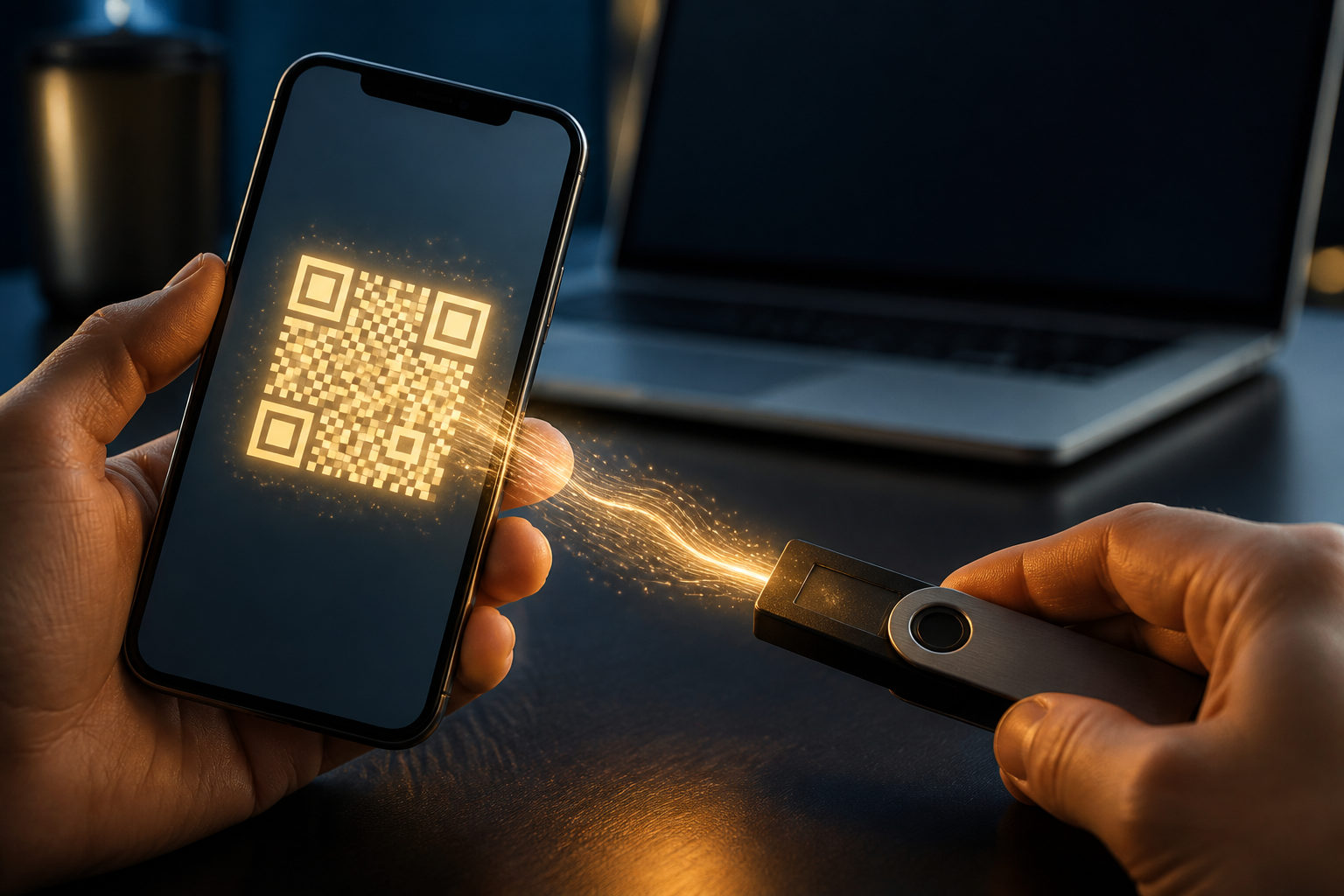
How to load bitcoins usually means sending BTC into a wallet or exchange account. The key is using the right BTC deposit address and checking it carefully.

How to Load Bitcoins Into a Wallet or Account

How to Receive Bitcoin on Lightning
To receive bitcoin on Lightning, use a wallet that supports Lightning invoices, then verify who controls the keys and how recovery works.

How to Receive Bitcoin on Lightning

How to Use the Bitcoin Lightning Network Safely

To use the Bitcoin Lightning Network, pick a Lightning-enabled wallet, move in a small amount of bitcoin, test a payment, and verify every invoice.

How to Use the Bitcoin Lightning Network Safely

How to Leverage Trade Bitcoin Safely

How to leverage trade bitcoin starts with margin, position sizing, liquidation, and stop-loss rules. Learn the process and the fraud checks first.

How to Leverage Trade Bitcoin Safely

How the Bitcoin Lightning Network Works

The Bitcoin Lightning Network works by opening payment channels, updating balances off-chain, and settling the final result on Bitcoin.

How the Bitcoin Lightning Network Works

How Much Bitcoin Is Left to Be Mined?

How much bitcoin is left to be mined depends on the 21 million cap and the halving schedule. Here’s how remaining issuance and mining work.

How Much Bitcoin Is Left to Be Mined?