
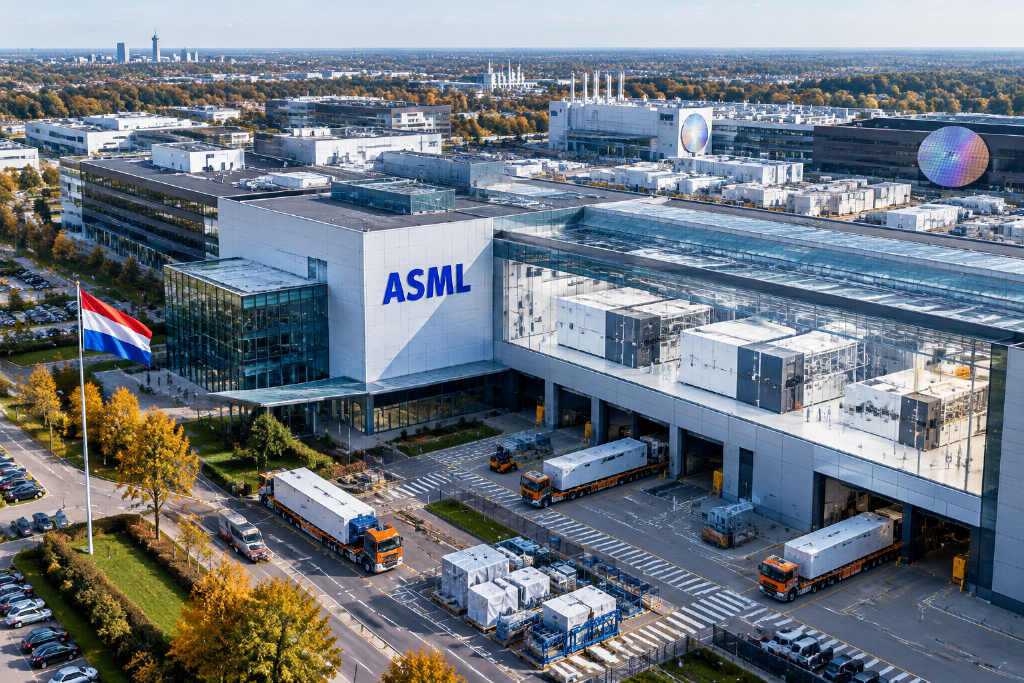
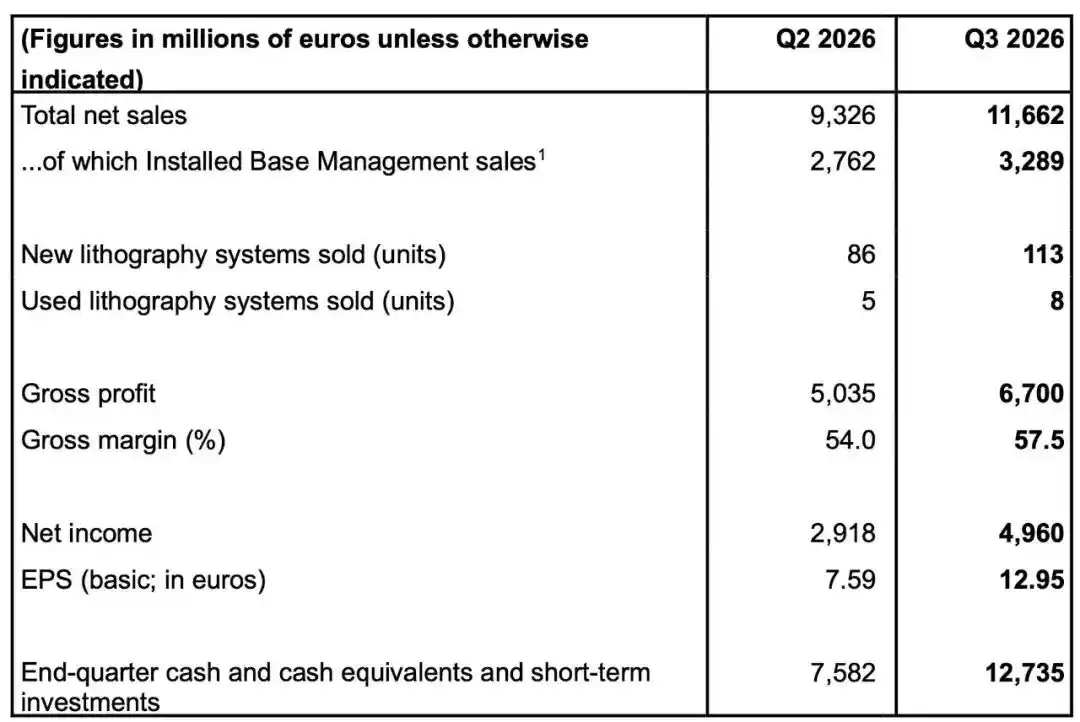
ASML posted its third-quarter 2026 numbers on Oct. 14 local time, and they were huge: record net sales of €11.662 billion and net profit of €4.96 billion. Demand tied to AI chips and wafer fab expansion stayed hot. Net sales climbed 55.2% year over year. Net profit soared 133.4%. The company also raised its full-year guidance.
The quarter landed near the high end of ASML's own forecast. At the same time, the company is lifting capacity for Low-NA EUV and DUV lithography systems and also changing the way it pulls in profit. Pricing matters more. So do after-sales service and parts sales, not just system shipments.
Q3 earnings beat expectations as guidance moves higher
ASML said third-quarter earnings per share hit €12.95, a sharp jump from €7.59 in the prior quarter and above market expectations of €10.8 to €12.3.
On margins and management of the installed base, the company said installed base management sales, including service and field option upgrades, came in at €3.289 billion, above guidance. That pushed third-quarter gross margin up to 57.5%.
For the fourth quarter of 2026, ASML expects net sales of €14.2 billion to €15.2 billion, with gross margin at around 57%. It lifted full-year net sales guidance to €44 billion to €45 billion and left full-year gross margin at around 56%.
Even then, the report said sales and profit growth only tell part of the story for ASML. Short version: production and delivery targets for lithography systems now matter just as much when trying to judge where demand goes next.
ASML stops reporting quarterly new orders and shifts attention to capacity
One big change stands out. ASML will stop disclosing quarterly new order data. Instead, it will give equipment capacity planning, making production and delivery targets the main yardstick for investors trying to read front-end demand.
In an official statement, ASML President and CEO Christophe Fouquet called the demand outlook exceptionally strong. He said customers keep revising their near- and mid-term equipment demand forecasts higher because they expect AI-related investment to be bigger and last longer. And with what the company called very high demand visibility, some customers have already shown interest in reserving orders for 2029 and even 2030.
Fouquet said: "Based on such strong demand visibility and order momentum rising quarter by quarter, the supply capacity we currently have planned for 2027 and 2028 will not be enough to fully meet customer demand."
So ASML is looking at whether it should expand 2028 capacity for Low-NA EUV and DUV systems beyond the previously announced 30% increase. It also plans to keep selling productivity upgrade packages to help customers add wafer capacity.
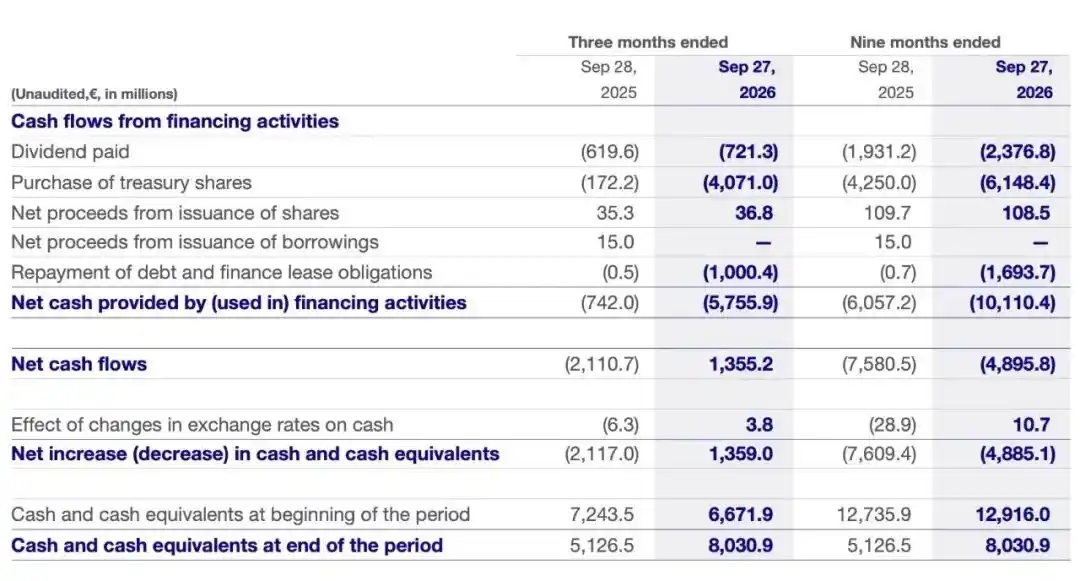
During the third quarter, ASML spent €4.1 billion on share repurchases under its 2026-2028 buyback plan. The company also said it will pay an interim ordinary dividend of €1.88 per share on Nov. 4.
Cash generation stayed strong. By the end of the third quarter, cash and cash equivalents were €8.031 billion, up 56.6% from €5.127 billion a year earlier. The report said that cash pile is enough to cover about €1.2 billion in fourth-quarter R&D spending while still backing buybacks and the dividend payment.
Parts and service pricing becomes a more direct profit lever
As the memory chip market improves and leading chipmakers become more profitable, ASML is trying to pull more profit from installed-base service and parts sales.
According to a report from Korean media in October 2026, ASML told the Korean market that it plans to raise prices by 10% from January 2027 for consumable parts and major replacement components supplied to Samsung Electronics and SK Hynix. The article said a uniform increase of that size is fairly rare in the industry.
ASML can push through those price changes partly because its installed base is so large. Delivering the tool is just the beginning. After that comes maintenance, component replacement, and software upgrades. Recurring revenue. Year after year.
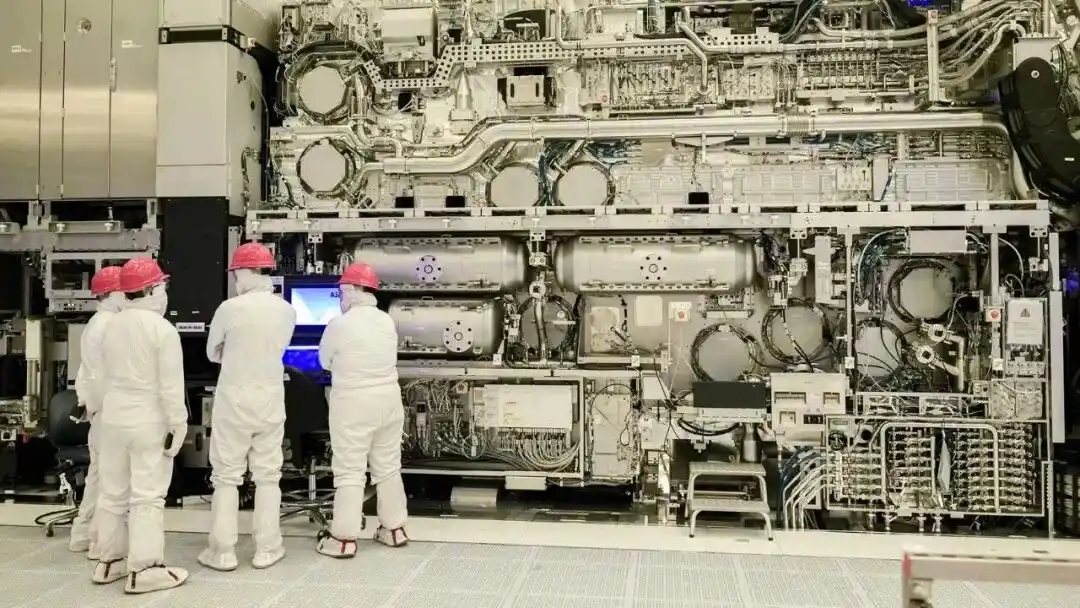
Reuters was cited as saying ASML management had already said publicly that the current market environment gives the company more pricing power. The company is also trying to negotiate higher prices for new systems, though Taiwan Semiconductor Manufacturing Co. (TSMC) has pushed back.
Because parts and service revenue repeats, price increases there can flow into profit more directly than sales of new systems. Bank of America analysts estimated that every 5% increase in equipment and service pricing could lift ASML profit by about 8%. The article framed the shift from higher pricing on existing parts toward higher prices on new tools as an attempt to turn ASML's technology position into a broader profit pool.
EUV leadership supports pricing power, but customers still watch capex closely
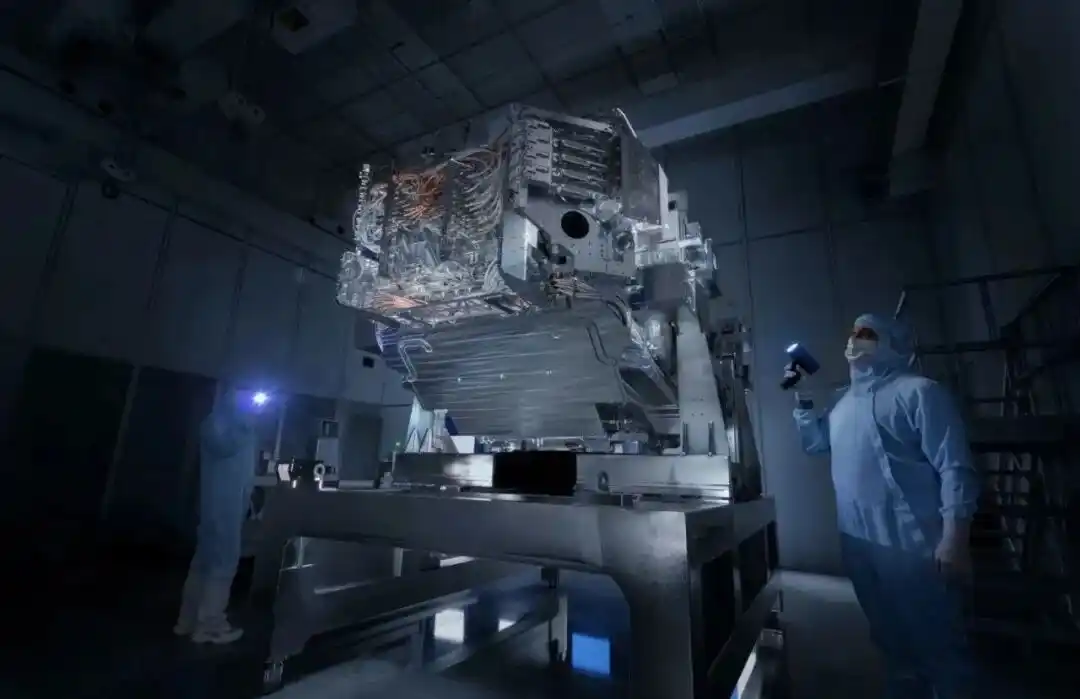
The reason ASML can push for higher pricing starts with its technology moat, especially in EUV. ASML is still the only company in the world that can commercially supply EUV lithography systems. That gives it an essential spot in the advanced chip manufacturing chain.
Fouquet said in 2026 that EUV came out of 20 to 30 years of research and development, and at one stage the company was effectively staking almost all of its profit on that effort. Through its optical partnership with Zeiss and the integration of Cymer light source technology, ASML built an extremely complex systems-integration barrier.
That proprietary stack gives the company more leverage in negotiations. For advanced chipmakers, lithography tools shape yield and node migration. And there is no easy substitute in the short term.
But technology leadership does not mean ASML can pass on costs without limit, the article said. Big customers like TSMC still run the numbers on how equipment spending affects free cash flow and return on investment.
A Morgan Stanley trading desk report said ASML's valuation premium versus U.S.-listed equipment peers such as Applied Materials and Lam Research has narrowed to one of its lowest levels in nearly a decade. According to the article, some hedge funds have even used the stock as a hedge against short positions. So ASML is left trying to balance its own profit targets with what customers can actually absorb.
AI spending is driving demand, but financing remains a constraint
The article said the AI boom has created a clear growth story. But fresh limits are showing up between lithography orders and the point where those orders actually turn into financial results.
At a Wall Street investment summit in September this year, Fouquet said AI infrastructure buildout could continue for two to five years, stretching semiconductor demand beyond 2028. Assessments cited from Morgan Stanley and other institutions said most new orders for advanced lithography tools have already been pushed out to 2028 delivery.
Broadcom CEO Hock Tan gave a different warning. He said: "Capital and financing may be the biggest bottleneck limiting the AI industry's continued expansion in the future."
The article cited recent foreign media reports saying Broadcom is helping OpenAI line up more than $50 billion in financing and is providing as much as $42 billion in debt backing for a $60 billion compute agreement involving Anthropic.
Big infrastructure spending is eating into the free cash flow of major technology companies. If downstream chipmakers or large-model startups run into financing trouble because of high interest rates or weaker cash flow, ASML's long-dated orders scheduled through 2028 could face delayed acceptance or changes to procurement plans.
ASML has also warned in its official annual risk documents that economic uncertainty and rising difficulty for customers in securing funding could affect order fulfillment. The article ended by saying that valuing ASML from here is not just about how many lithography systems it can build. It is also about whether customers can keep paying for AI infrastructure. And two practical things deserve close attention: whether parts price increases go through smoothly, and whether customers pay on time.