From beginner to advanced — master exchanges, wallets and blockchain essentials
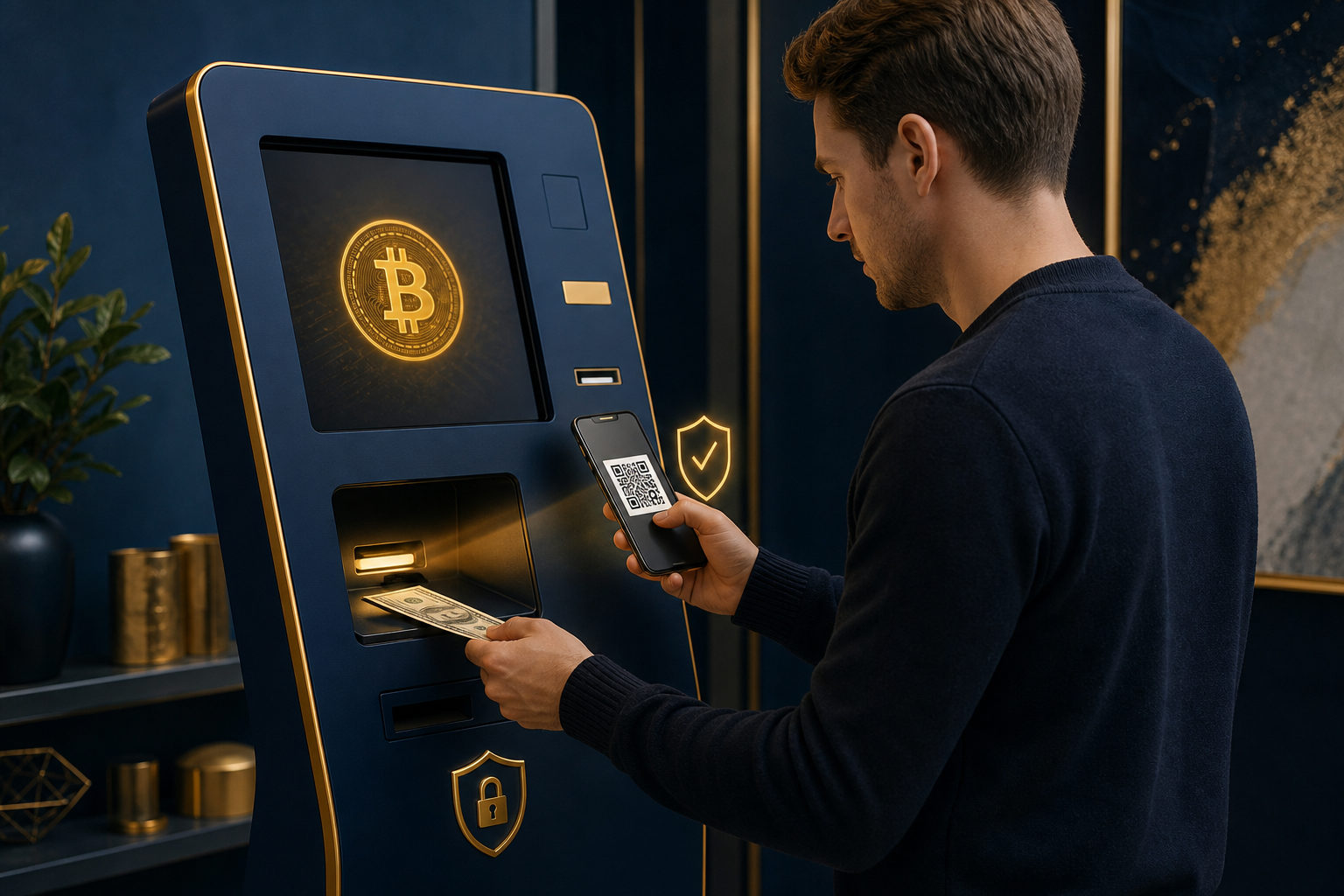
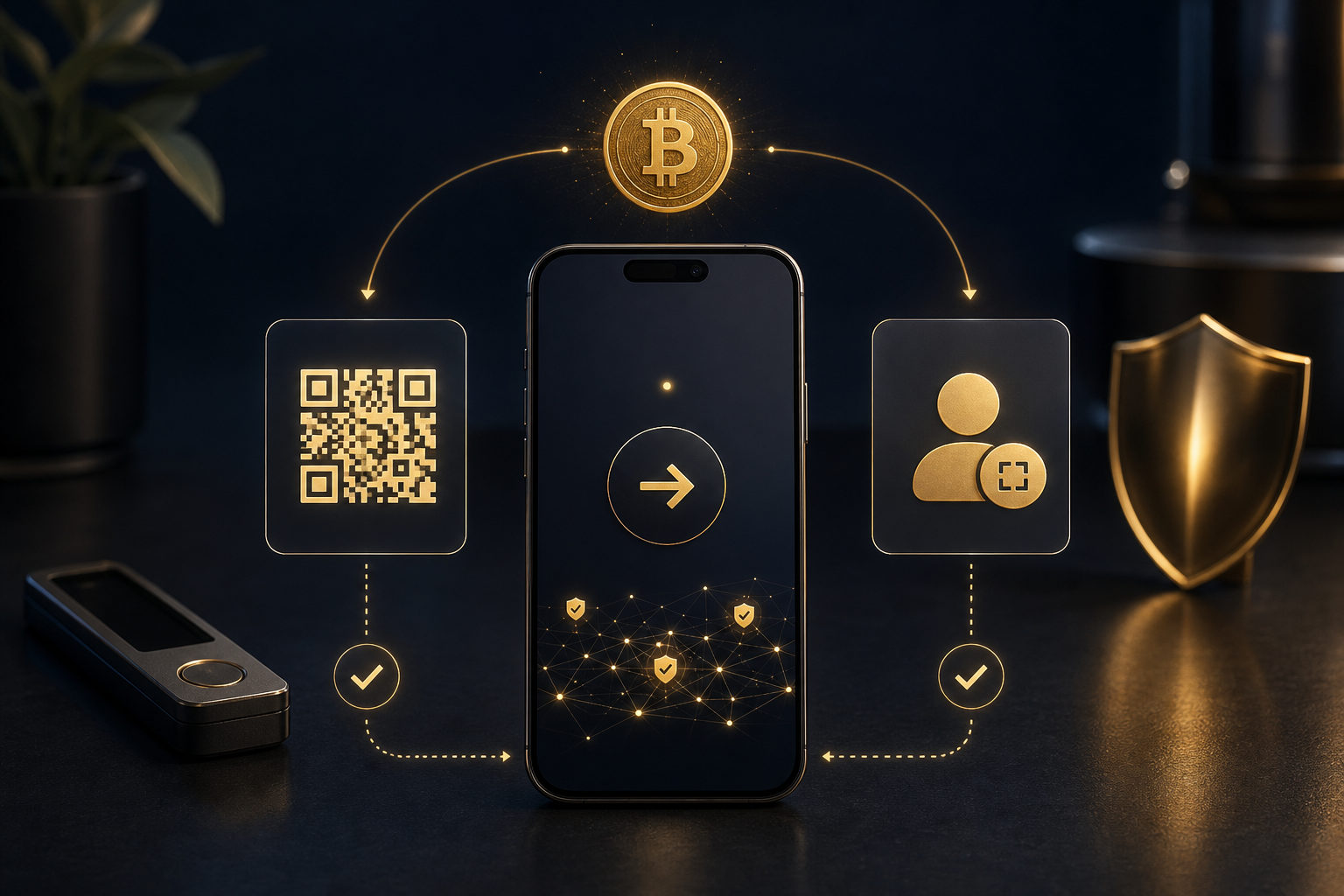
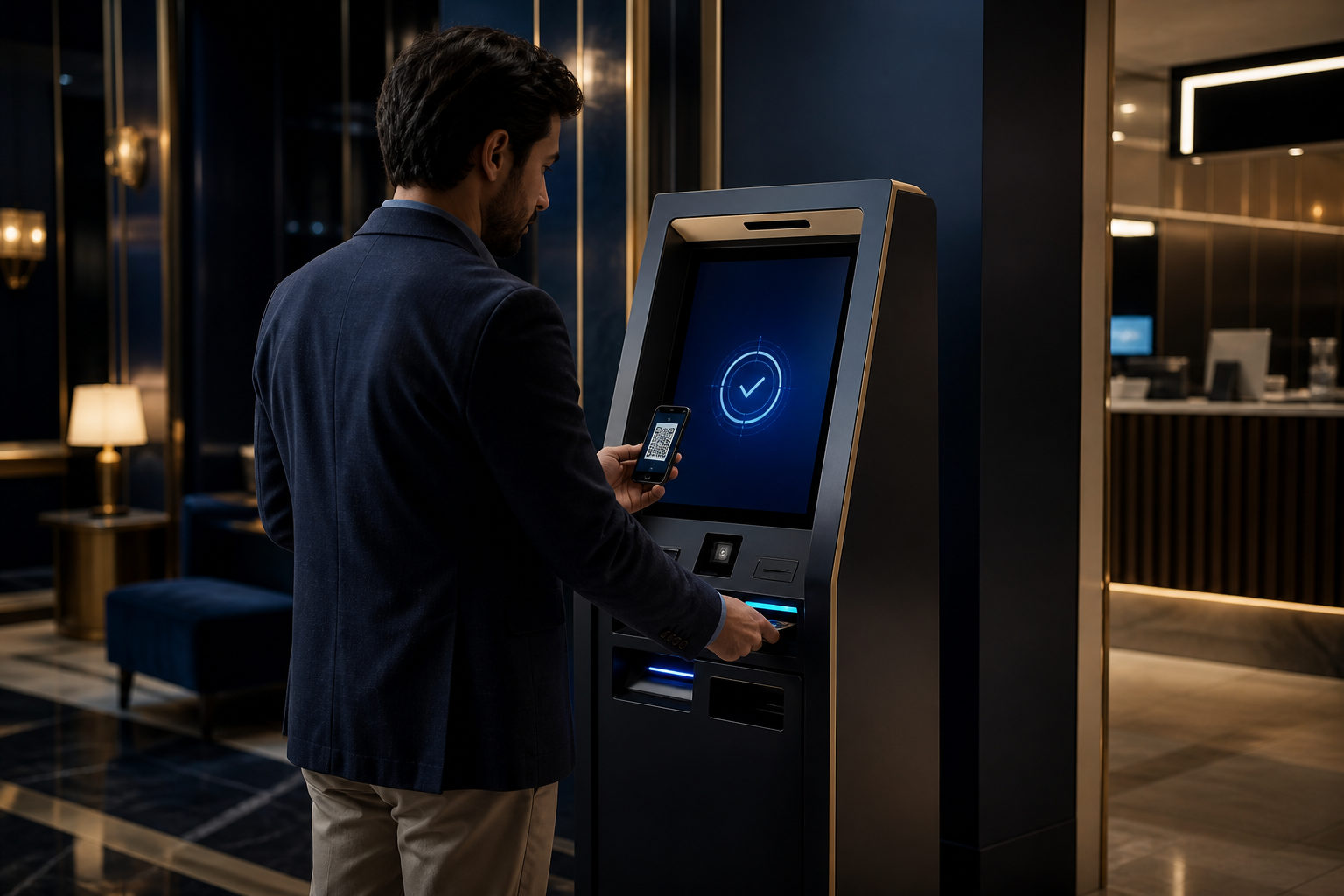
Using a bitcoin machine for the first time starts with your own wallet, a verified receive address, and careful checks on fees, prompts, and receipts.
You do not always need a Cashtag to send bitcoin. It depends on the app, the transfer type, and whether you are sending on-chain BTC or platform balance.
A bitcoin ATM works by verifying your identity, scanning a wallet address, taking payment or crypto, and then processing the transaction.
Can you trace bitcoin? Yes, you can trace addresses and transaction flows on-chain, but that does not always reveal a real-world identity.
A self-custodial wallet, also known as a non-custodial wallet, is a type of cryptocurrency wallet that allows users to manage their private keys and have direct control over funds stored on a blockchain network. TL;DR Self-custodial wallets allow users complete control over their private keys and crypto assets. Setting up a self-custodial wallet does not require the user to share any personal information with a third party. DeFi and GameFi platforms often require self-custodial wallets because they allow users to interact directly with smart contracts and decentralized applications. In the early days of cryptocurrency, all wallets were self-custodial. Today, this type of wallet may not be a good choice for new users who don’t understand asymmetric cryptography’s role in blockchain transactions.
Key Takeaways Crypto wallet addresses are used to send and receive crypto funds. Wallet addresses derive from public keys, and their format depends on the underlying chain. To get a wallet address, you should set up a crypto wallet. You must never share your private keys and recovery phrases.