Bit.Fan Crypto Academy

Learn Crypto with Bit.Fan Academy

From beginner to advanced — master exchanges, wallets and blockchain essentials

cryptography

How to Develop a Bitcoin Wallet Safely
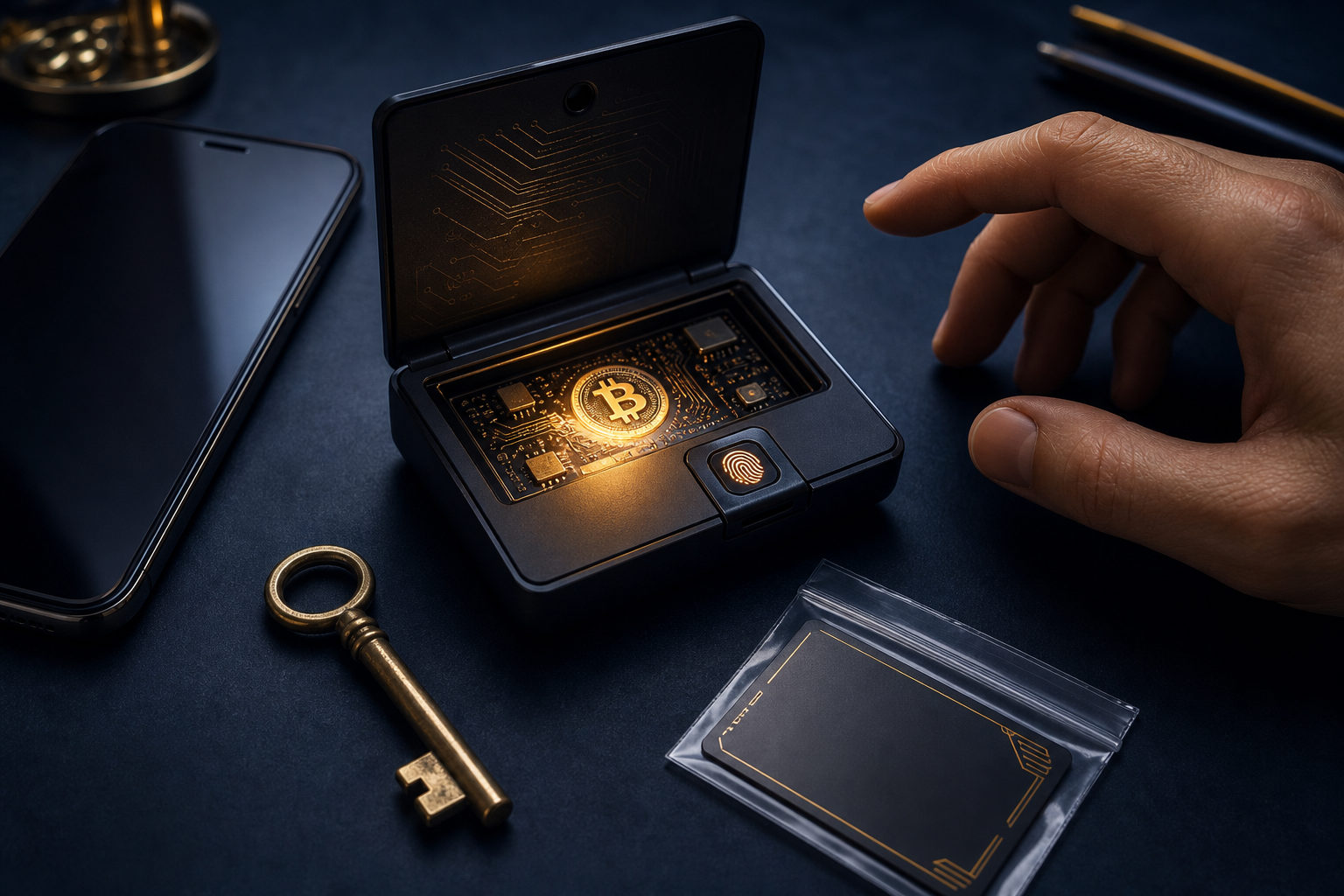
To develop a bitcoin wallet, start with key custody, signing, backup, and irreversible-action warnings—not just UI or blockchain data sync.

How to Develop a Bitcoin Wallet Safely

Is Bitcoin a Cryptocurrency? The Simple Answer
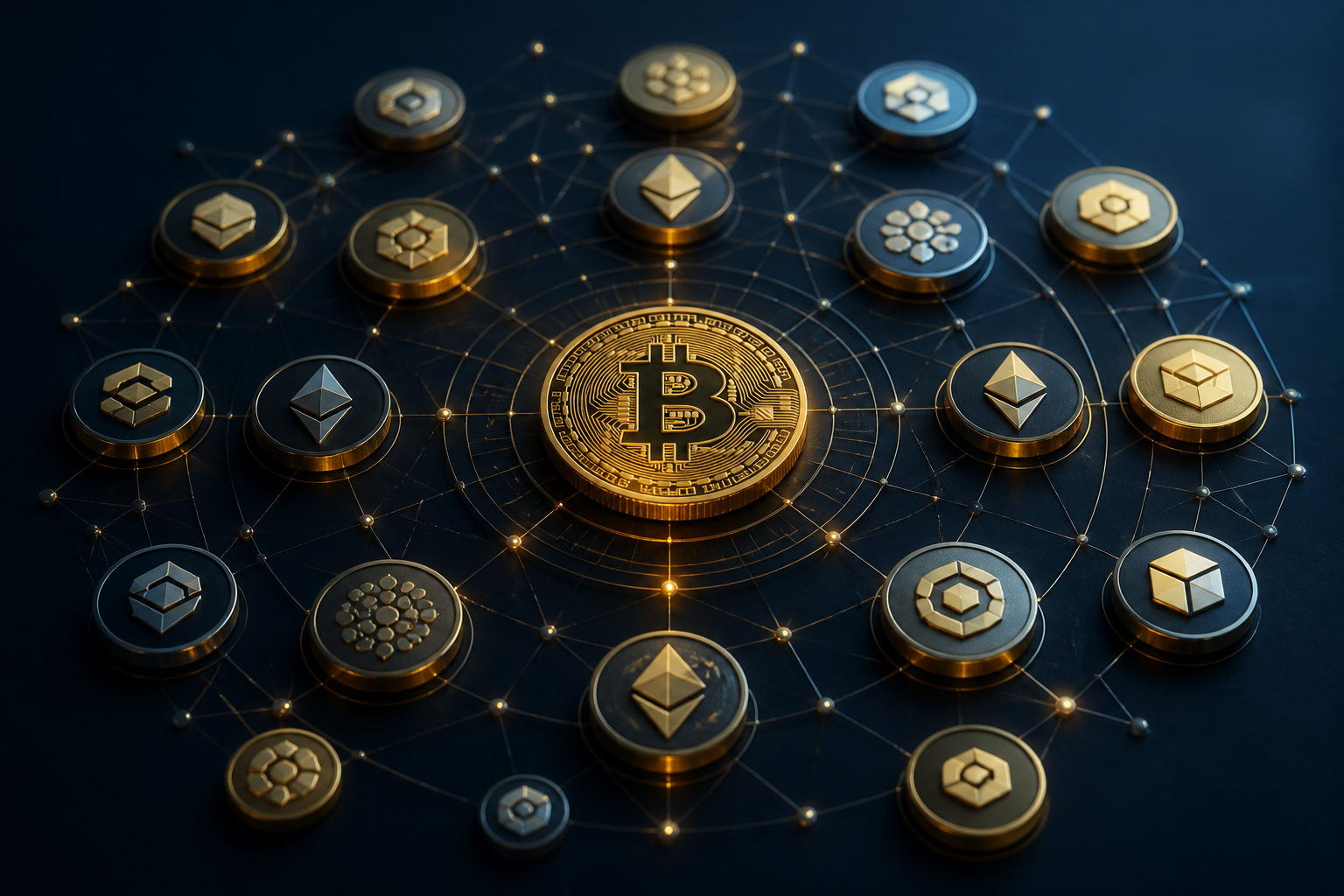
Yes, Bitcoin is a cryptocurrency. It is one asset within the broader crypto category, not the same thing as the whole market.

Is Bitcoin a Cryptocurrency? The Simple Answer

Who Created Bitcoin? What We Actually Know

Bitcoin was created by the person or group using the name Satoshi Nakamoto, but the real identity remains unconfirmed.

Who Created Bitcoin? What We Actually Know

How a Bitcoin Transaction Works, Step by Step
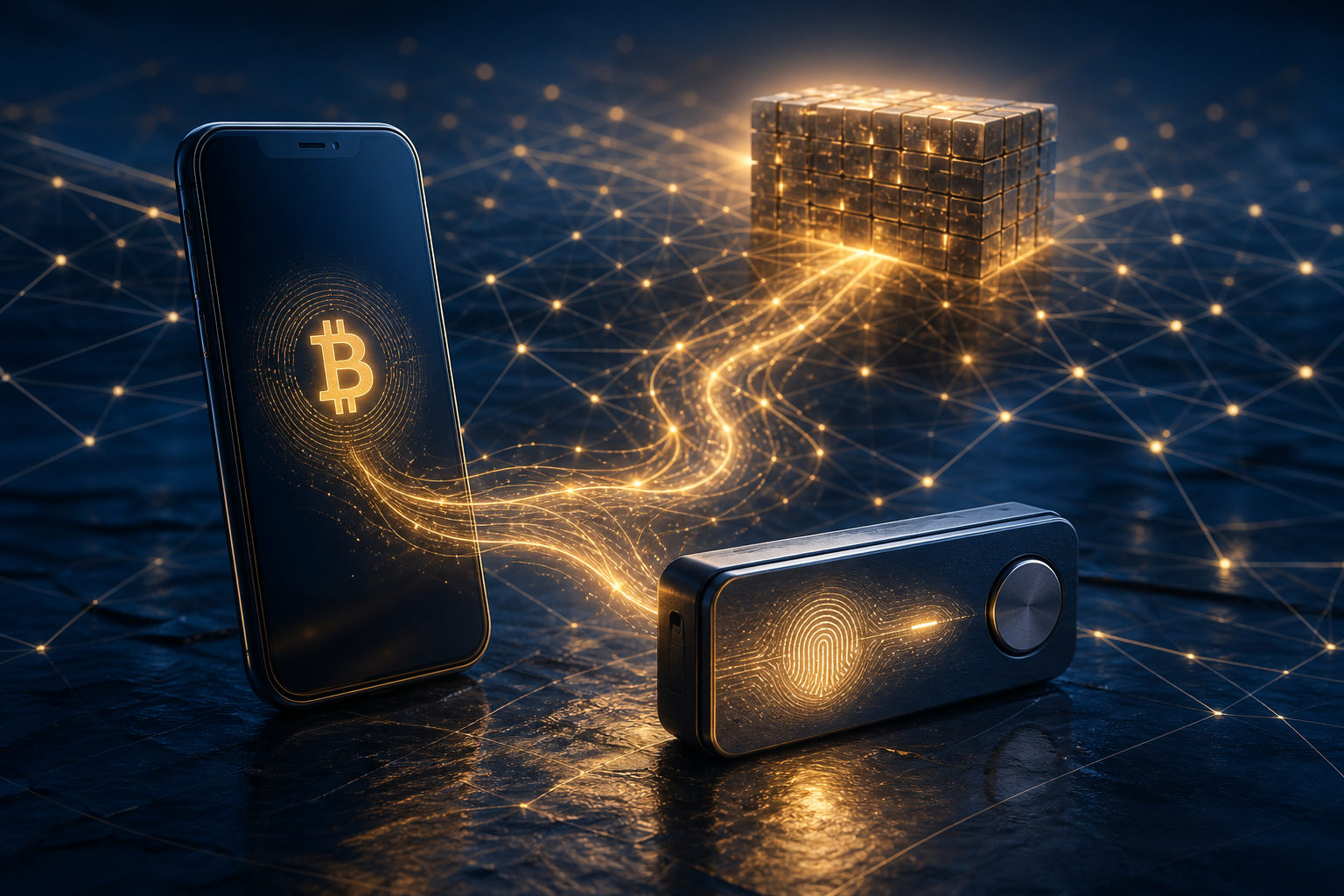
How does bitcoin transaction work? A wallet signs the payment, nodes verify it, and miners add it to the blockchain for confirmation.

How a Bitcoin Transaction Works, Step by Step

Crypto vs Bitcoin: What’s the Difference?
The difference between crypto and Bitcoin is simple: crypto is the broad category, while Bitcoin is one specific cryptocurrency.

Crypto vs Bitcoin: What’s the Difference?

What Is Bitcoin Made Of?

Bitcoin is not made of metal or paper. It consists of code, blockchain records, cryptography, and network consensus.

What Is Bitcoin Made Of?

Is Crypto and Bitcoin the Same?
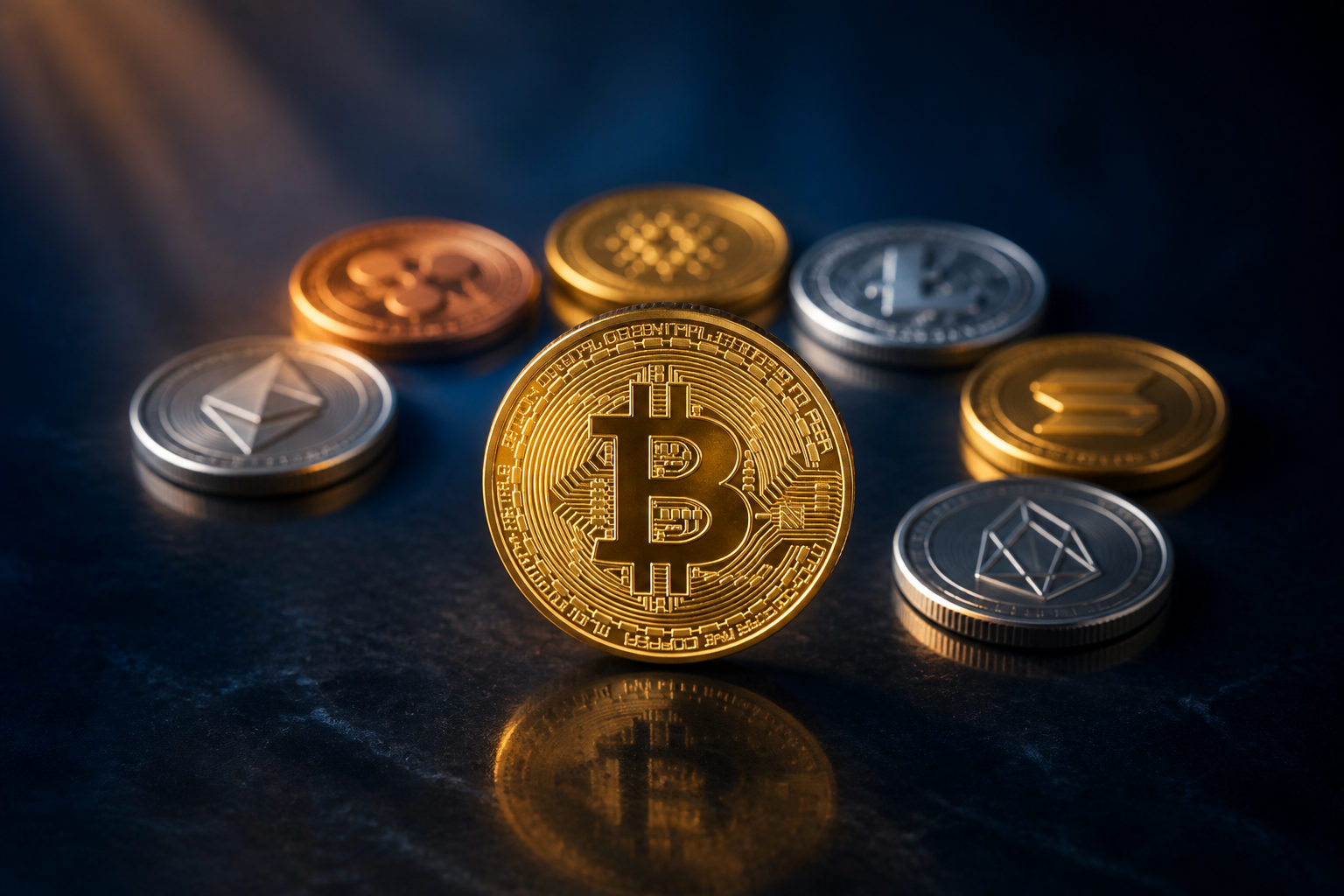
Crypto and Bitcoin are not the same. Bitcoin is one type of cryptocurrency, while crypto is the broader category.

Is Crypto and Bitcoin the Same?

What Is a Self-Custodial Wallet (Non-Custodial Wallet)?

A self-custodial wallet, also known as a non-custodial wallet, is a type of cryptocurrency wallet that allows users to manage their private keys and have direct control over funds stored on a blockchain network. TL;DR Self-custodial wallets allow users complete control over their private keys and crypto assets. Setting up a self-custodial wallet does not require the user to share any personal information with a third party. DeFi and GameFi platforms often require self-custodial wallets because they allow users to interact directly with smart contracts and decentralized applications. In the early days of cryptocurrency, all wallets were self-custodial. Today, this type of wallet may not be a good choice for new users who don’t understand asymmetric cryptography’s role in blockchain transactions.

What Is a Self-Custodial Wallet (Non-Custodial Wallet)?