From beginner to advanced — master exchanges, wallets and blockchain essentials
Bitcoins have to be mined because mining confirms transactions, orders the ledger, secures the network, and releases new BTC by rule.
When no new bitcoin remains to mine, the network does not stop. Miners shift from new coin issuance to transaction fees as the main reward.
How much money can you make from mining bitcoins? It depends on hardware, power costs, pool payouts, and price swings, not a fixed income figure.
To get bitcoins from mining, you join Bitcoin’s block-validation race and earn rewards through solo mining or a pool, subject to costs and setup.
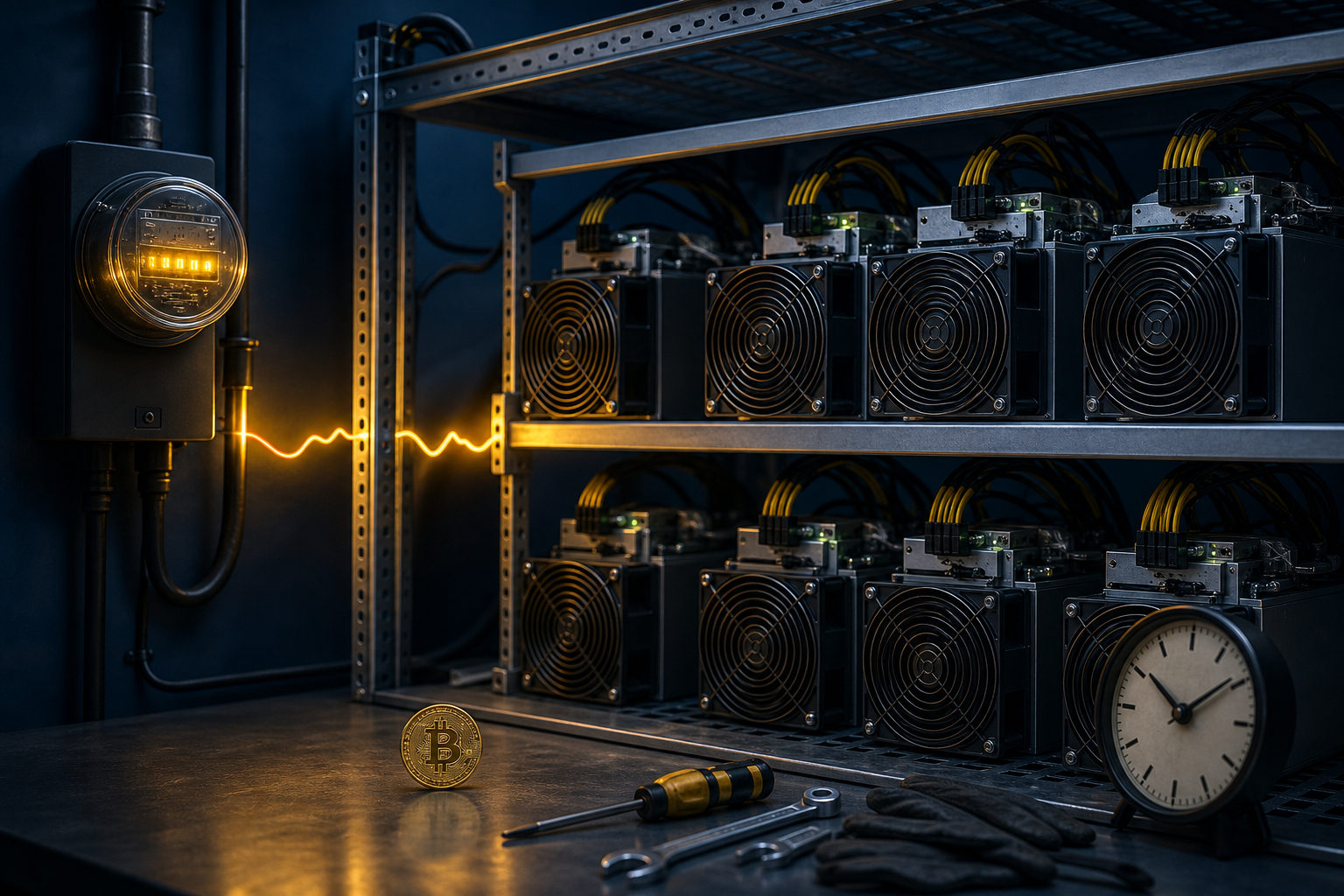
Bitcoin mining is not free. It is a competition to add blocks, and it comes with hardware, electricity, cooling, maintenance, and time costs.
The mined bitcoin supply keeps rising toward the 21 million cap. Here’s how block rewards, halvings, and mining participation actually work.
How much bitcoin can you mine in a day? There is no fixed daily amount. Output depends on hash rate, network difficulty, pool payouts, uptime, and costs.
How many bitcoins are mined daily depends on block timing and the current block reward. The key is understanding halving, mining pools, and costs.