


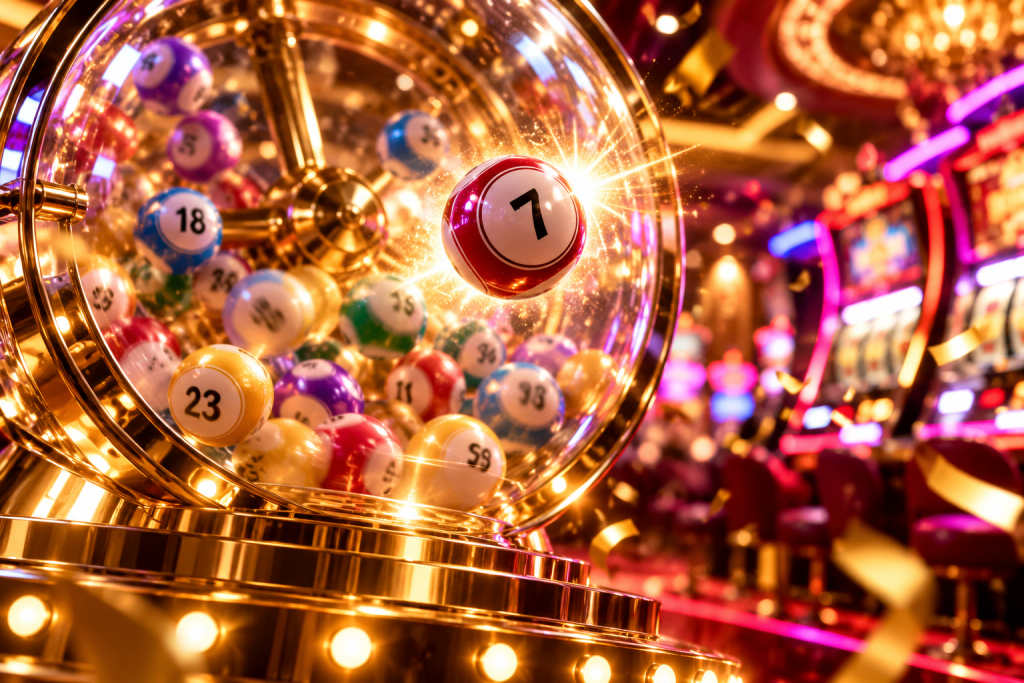
The question behind the machine
A reader asking whether bingo machines are rigged is usually asking something narrower: whether the machine can decide who wins, or whether the outcome is fixed before the draw begins. The honest answer is that a bingo machine does not need to be rigged for the house to hold a mathematical edge, because the edge is built into the structure of the game itself, not into a secret setting on the device.
What a bingo machine does is automate a process that has existed on paper for decades. It draws numbers from a defined pool, marks them against a card field, and declares a winner when a player completes the required pattern. The machine is a delivery mechanism, not the source of the odds.
What the machine controls
In a conventional bingo game, the outcome is determined by the draw sequence and the card field. The machine can control the speed of play, the display, and in electronic formats the number of cards a player runs at once, but it does not need to alter the draw for the operator to profit.
The house edge in bingo comes from the prize structure: the total collected from card sales is larger than the total returned in prizes. That gap is the operator's margin. It exists whether the draw is fair or not, which is why a rigged draw would be an unnecessary risk for an operator who already has a structural advantage.
Where the draw comes from
In a traditional hall, numbers are drawn from a physical ball set. In an electronic machine, the draw is generated by a random number generator, but the generator is only one part of the system. The other part is the card field, which is fixed before the draw begins and cannot change after the first number is called.
A player who wants to verify the process should look for the draw method, the ball set or generator certification, and the prize structure. These are usually published by the operator or the gaming authority in the jurisdiction where the game is offered. The machine's screen may show the draw sequence, but the authoritative record is the operator's published rules.
How the edge stays with the house
Every bingo game has a prize pool that is smaller than the total card sales. That difference is the house edge, and it is fixed by the game's structure, not by the machine's software. A player who buys more cards increases their chance of holding a winning card, but the cost of those cards is always higher than the expected return.
This is the same mechanism that governs any lottery-style game. The operator does not need to rig the draw because the payout ratio is already below one hundred percent. A rigged machine would add legal and reputational risk without changing the operator's expected profit.
What a player can and cannot verify
A player can verify the published prize structure, the draw method, and the certification of the random number generator if the operator publishes it. A player cannot verify the internal software of a machine from the outside, which is why the published rules and the regulator's oversight are the relevant checks.
The machine's display is not evidence of fairness. A display can show a draw sequence that looks random while the underlying process is flawed, or it can show a sequence that is genuinely random. The only meaningful check is the published method and any independent certification that the operator or regulator provides.
| Check | What it tells you | Where it is published |
|---|---|---|
| Prize structure | The gap between card sales and prizes, which is the house edge | Operator's game rules or posted notice |
| Draw method | Whether numbers come from a physical ball set or a certified generator | Operator's published rules |
| Generator certification | Whether the random number generator has been independently tested | Regulator or testing lab certificate |
| Card field | Whether the card is fixed before the draw begins | Operator's rules or machine display |
Why a rigged draw is not the main risk
The main risk to a bingo player is not that the draw is secretly rigged, but that the prize structure returns less than the player spends. That risk is present in every bingo game, fair or not, and it is the reason the game is profitable for the operator.
A player who focuses on whether the machine is rigged is looking at the wrong layer. The draw process can be verified, but the payout ratio is the number that matters, and it is always below one hundred percent. That is the built-in house advantage, and no draw method changes it.
What to confirm before you play
Before playing, confirm the prize structure, the draw method, and the certification of the random number generator. These are the changeable items, and they are published by the operator or the gaming authority in the jurisdiction where the game is offered.
The operator's own rules page is the authoritative source for the prize structure and draw method. The regulator's published list of certified generators is the authoritative source for the generator. A player who cannot find these should ask the operator directly, because a machine that does not publish its draw method is not one a player can verify.
FAQ
Can a bingo machine be rigged?
A bingo machine can be tampered with in principle, but the operator does not need to rig it to profit. The house edge is built into the prize structure, which returns less than the total card sales. The draw method and generator certification are the published checks a player can use to verify the process.
How do I know if a bingo draw is fair?
Check the published draw method and the certification of the random number generator. These are usually published by the operator or the gaming authority in the jurisdiction. The machine's display is not evidence of fairness; the published method and any independent certification are the meaningful checks.
Does buying more cards change the house edge?
Buying more cards increases your chance of holding a winning card, but the cost of those cards is always higher than the expected return. The house edge is fixed by the prize structure, not by the number of cards you buy. More cards mean more expected loss, not a better deal.
Play responsibly
Gambling should be treated as paid entertainment, never as a way to earn income or recover losses. 1-800-MY-RESET (1-800-697-3738)
18+ or 21+ depending on where you are; follow the minimum age that applies to you.
This article is general information about how these mechanics work. It is not legal advice and not a recommendation to gamble or to use any particular operator. Availability and legality differ by jurisdiction — check the rules that apply where you are.