
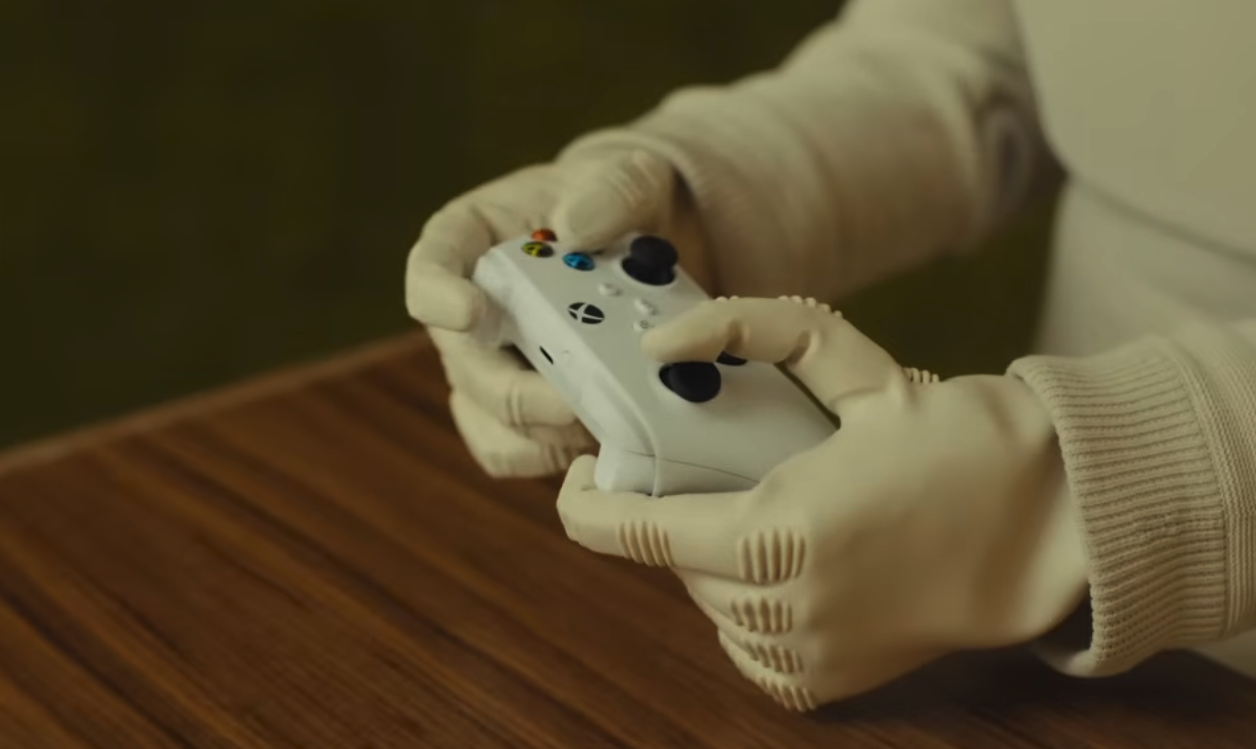
Most humanoid robot hands can only do three things: grasp, release, and push. They barely sense how much force is applied or if an object is slipping. On July 9, 1X unveiled the next-generation robotic hand for NEO humanoid—25 degrees of freedom, tendon-driven, with the company claiming it approaches human dexterity, strength, and reliability. The demonstration video showed finger flexibility reaching a new level, sparking community discussion.
From Two-Finger Grippers to 25 Joints
While typical robots use two-finger grippers, NEO's new hand has 25 degrees of freedom—22 in fingers and palm, 3 in wrist—all with inherent force control and backdrivability. Push a finger, and it yields softly while reporting back the applied force. The key is the tendon-driven system using low gear ratios (5:1 to 15:1) instead of conventional gearboxes (often 100:1 to 200:1). Lower ratios mean less friction loss, enabling the hand to truly 'feel' contact.
Specifications: thumb root peak torque 3.5 Nm, knuckle 2.6 Nm, fingertip flexion force up to 45 N, wrist torque 17.75 Nm, positioning accuracy ±0.2 mm. The entire hand achieves IP68 waterproofing and food-grade materials; the video shows NEO washing its own hands.
The 25 DOF distribution follows human anatomy, with emphasis on the thumb for real opposition gripping, not just a decorative appendage.
The Hand as Sensor
1X's philosophy: cameras are passive observers, but the hand is an active experiment—it asks questions with force and reads answers from the same joints. Most robotic hands are write-only: send a command, the hand moves, no meaningful signal returns. NEO is read-write: each joint operates in a closed loop, enabling proprioception—the hand knows its posture without vision. This relies on quasi-direct drive, where motors pull tendons with minimal gear reduction, preserving signal fidelity.
Combined with high-resolution tactile sensors on fingertips and palm, measuring normal force, contact position, and shear, 1X calls it 'force transparency.' This allows NEO to instantly detect slipping objects and react—critical for small, transparent, deformable, or occluded items that vision alone cannot handle.
In the demo video, NEO assembles LEGO bricks, picks up a single coin or screw from a wallet, screws in a light bulb, uses a screwdriver, zips a jacket, sorts grapes by color, pours tea, catches a soft ball, plugs a USB-C cable, wipes a table, and even communicates in sign language.
For reliability, 1X says components and finger assemblies have passed millions of test cycles, with wrist joints validated over 2 million high-load cycles. The ultra-low gear ratio plus tendon drive enables safe backdriving upon external impact—slapping, hammering, or being caught in a drawer makes the hand yield rather than resist and break.