Crypto Industry: From Regulatory Intervention to Industrial Formation
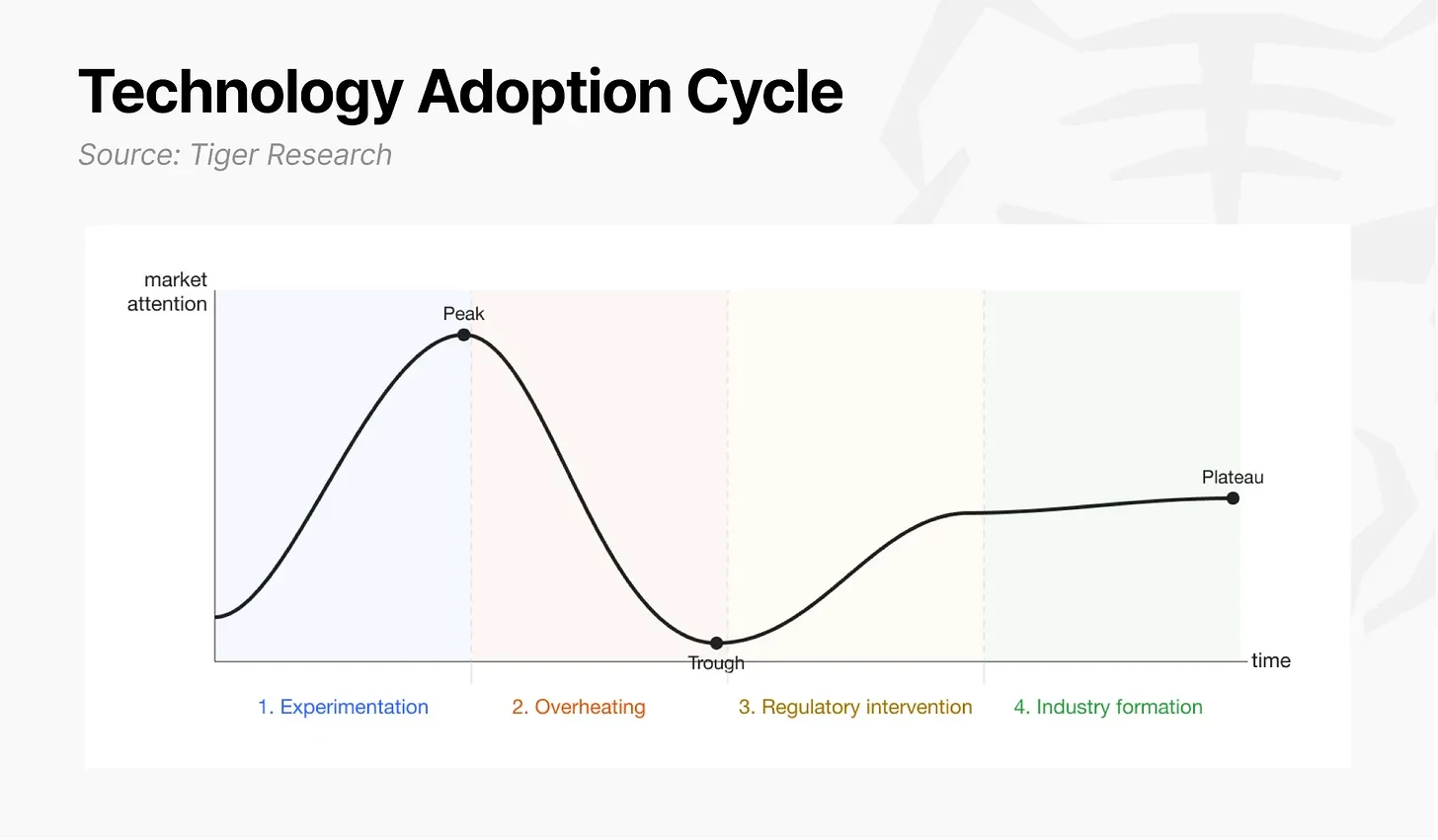
New technologies typically go through four phases: experimentation, overheating, regulatory intervention, and industrial formation. The crypto industry experienced the ICO boom in 2017 and the DeFi frenzy in 2021, with the FTX collapse in 2022 marking a turning point that filtered out speculative demand and validated real use cases. Now, US regulators are shifting away from laissez-faire or crackdown toward formalization. Because crypto aims to directly replace core financial functions such as settlement, payments, and issuance, friction with traditional finance is greater, and adoption takes longer. The industry now stands at the intersection of regulatory intervention and industrial formation.
Key Regulatory Breakthroughs
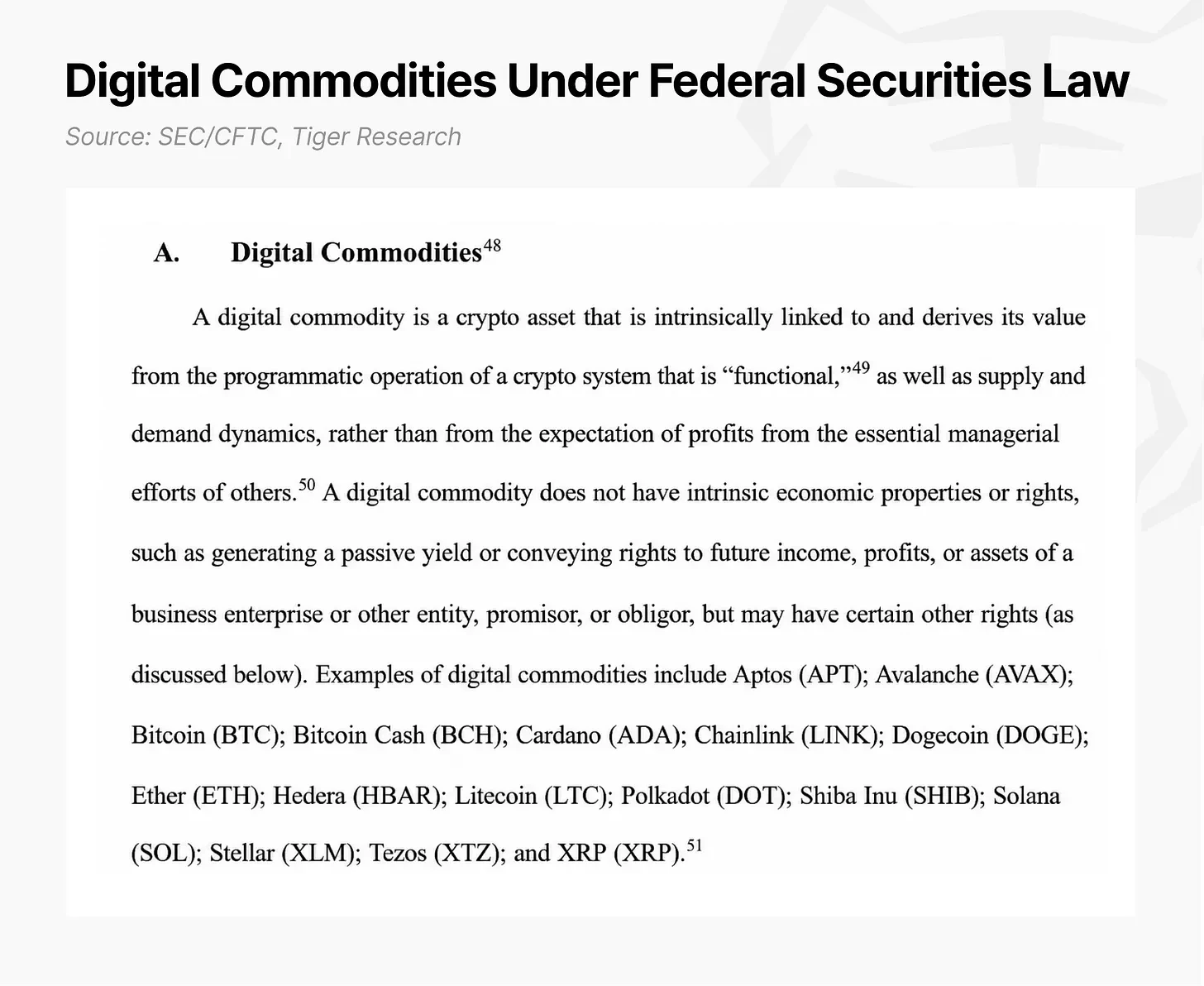
In 2026, the US Congress passed the GENIUS Act, clarifying the legal status of stablecoins. In March 2026, the SEC and CFTC jointly published interpretive guidance classifying 16 assets, including Solana (SOL), as digital commodities, abandoning the old binary classification of “security vs. non-security” and explicitly excluding protocol staking from securities regulation. Assets were divided into five categories, providing a legal pathway for institutional investors to safely buy, hold, and stake digital assets.
Institutional Adoption Accelerates: RWA Tokenization Market Booms
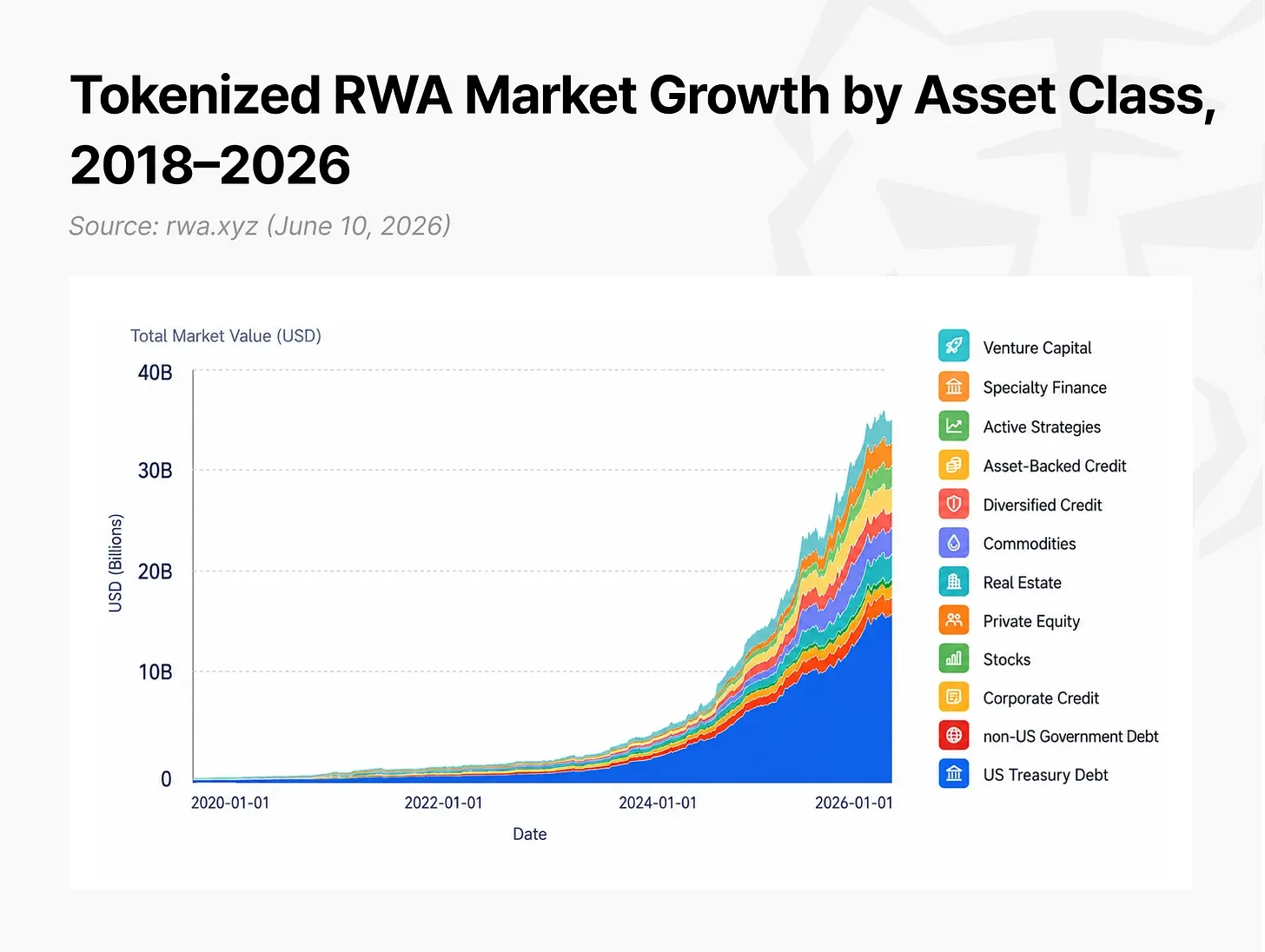
The tokenized real-world asset (RWA) market grew approximately 257% in 15 months, from $5.4 billion in early 2025 to $19.3 billion by end of March 2026. Including stablecoins, the total on-chain asset size approaches $300 billion. Traditional financial institutions are driving this growth by moving conventional assets onto public blockchains.
Reconstructing Capital Markets: Internet Capital Markets (ICM) and Solana as a Case Study
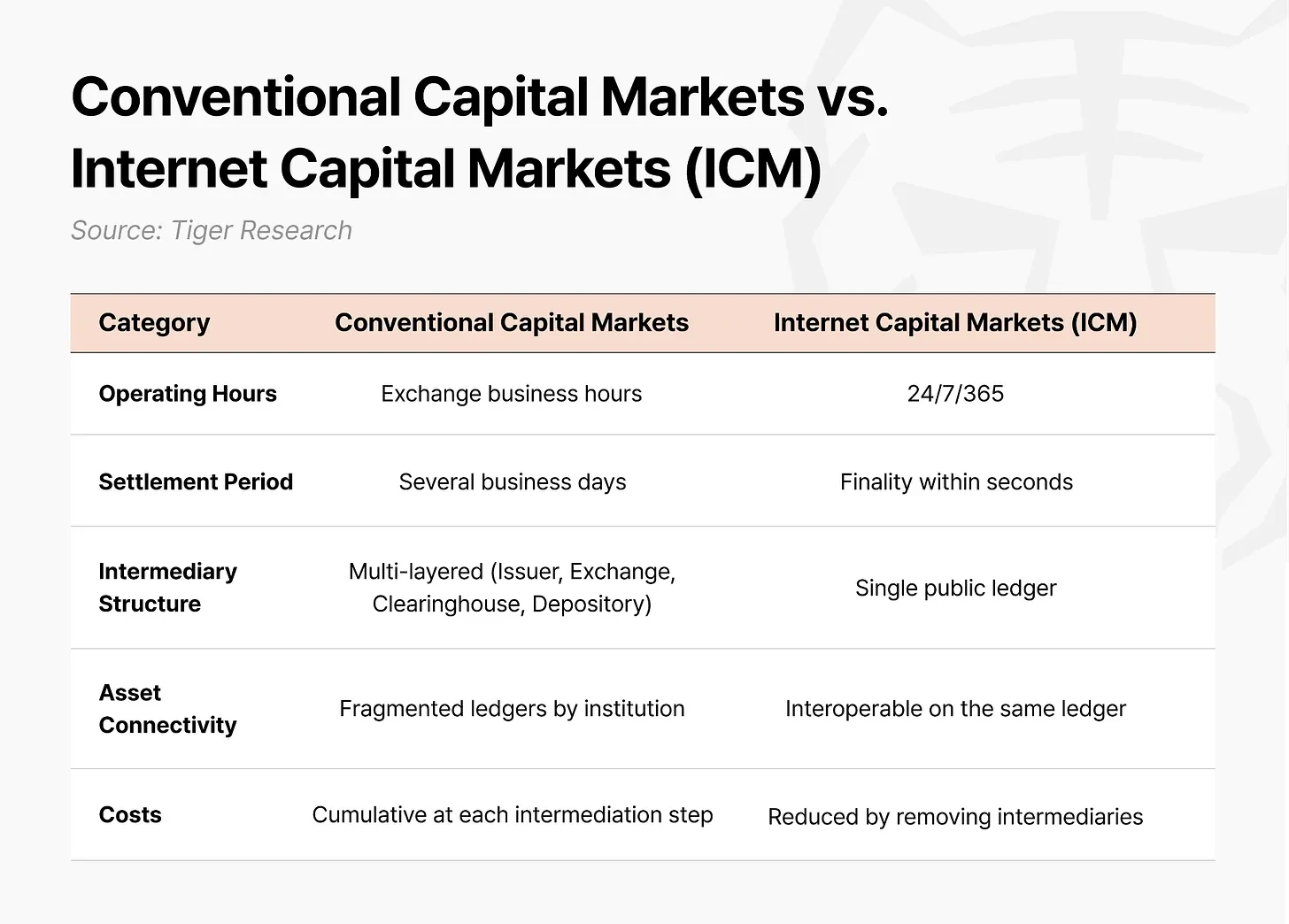
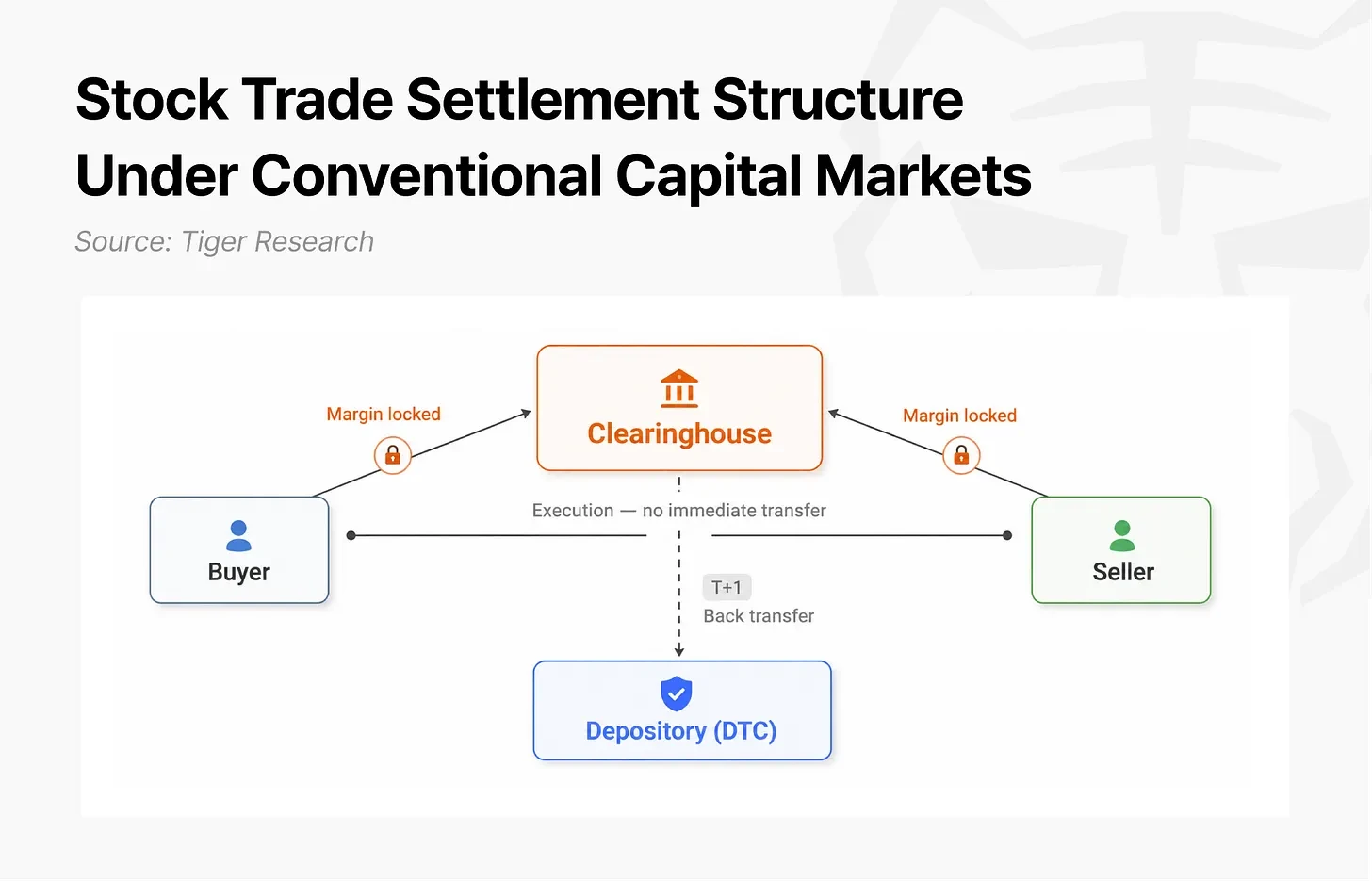
Internet Capital Markets (ICM) represent a paradigm where asset issuance, trading, and settlement all occur on a single public blockchain. In contrast to the traditional clearinghouse model with T+1 to T+3 settlement cycles and huge hidden costs, ICM achieves atomic settlement (DvP) via smart contracts, completing execution and settlement in seconds. The US is leading this transformation, with Solana emerging as the public blockchain that integrates technical foundation, institutional practice, and regulatory design. Its Token-2022 standard embeds compliance functions such as freezing, confiscation, and whitelist management directly into tokens, addressing institutional needs for asset control and access qualification.
Seven Major Financial Institutions’ On-Chain Practices
Seven large US financial institutions—J.P. Morgan, State Street, Citi, Franklin Templeton, Visa, PayPal, and Western Union—have launched proofs of concept or executed real transactions on Solana. Notable examples include: State Street × Galaxy’s on-chain cash management fund SWEEP (launched May 2026, accepting stablecoin deposits for Treasury yield); J.P. Morgan’s $50 million US commercial paper issuance on Solana (one of the first genuine debt securities on a public blockchain); Citi × PwC’s trade finance bill tokenization proof of concept (settlement reduced from days to minutes); Western Union’s USDPT stablecoin for cross-border remittances (shifting from pre-funded reserves to real-time on-demand settlement); Fiserv’s white-label stablecoin platform FIUSD (targeting July 2026, serving ~10,000 financial institution clients); Orca × Streamex’s compliant RWA distribution permissioned pool; Apollo’s tokenized private credit fund ACRED (leveraging Solana’s low fees for 2.5x leverage); and Figure Technology’s HELOC loan rights bridge to Solana for capital efficiency.
Infrastructure Diffusion and Regulatory Frontier
Infrastructure diffusion occurs across three layers: issuance (PayPal, Fiserv, Circle, Tether coexisting on Solana), settlement (Visa expanding stablecoin settlement, YouTube using PYUSD for creator payments), and touchpoints (SoFi enabling 14.7 million clients to buy SOL and issue their own stablecoin). Network effects are emerging: bank-issued tokens are settled by payment companies, and consumers hold assets in banking apps. On the regulatory front, resolved areas include bank crypto custody (SAB 121 repealed), digital commodity status, stablecoin legal clarity, tokenized securities (SEC approval for Nasdaq, DTCC full launch by October), and perpetual futures (CFTC approval of Kalshi’s Bitcoin perpetuals). Unresolved areas include public stock trading on-chain (limited to non-US or accredited investors), DEX AML obligations, and stablecoin interest payments. The CLARITY Act is critical but has less than 50% probability of passing in 2026.
Strategic Window for Asian Institutions: Fast Follower Approach
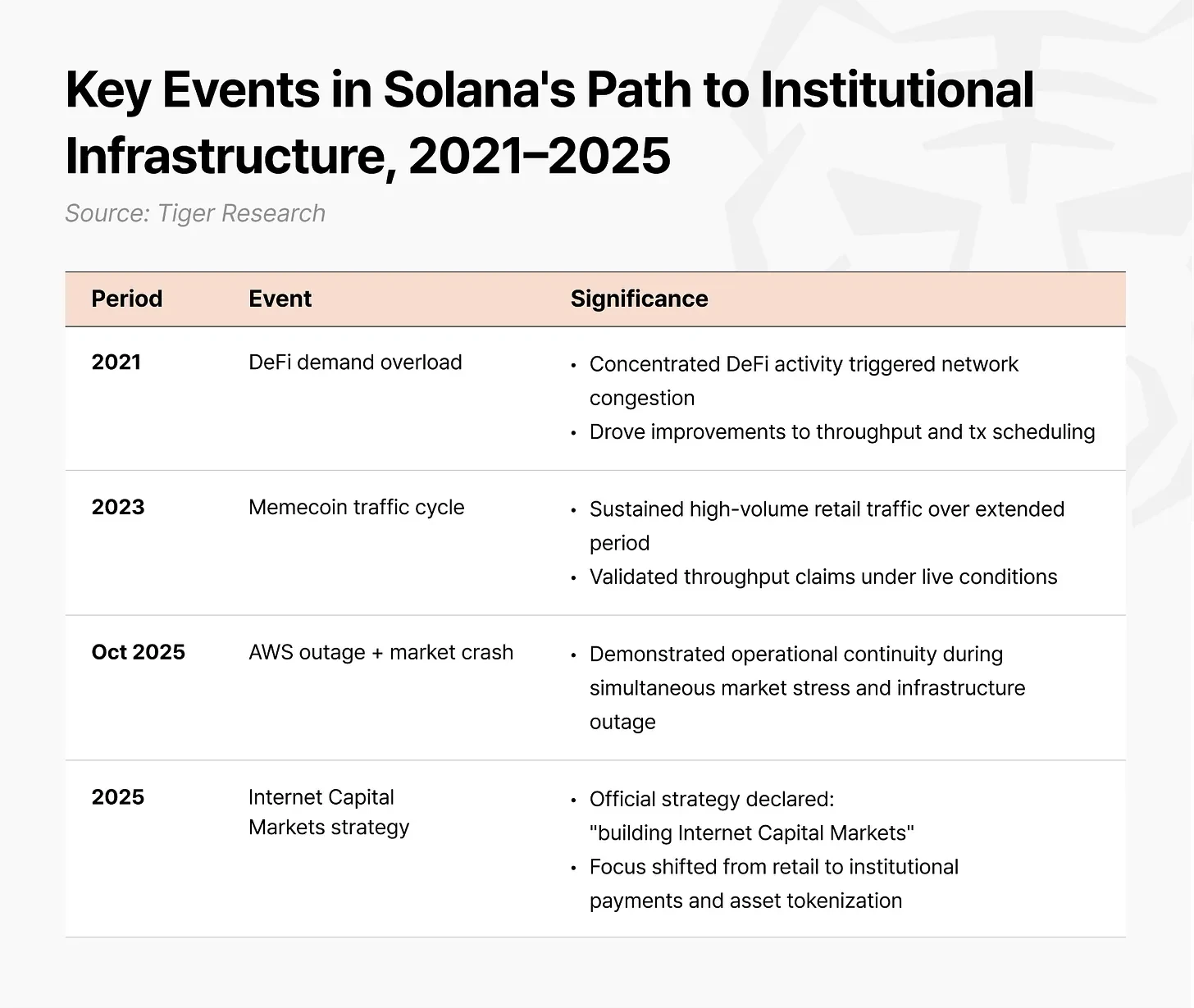
Solana’s technical advantages (~0.5s finality, $0.0013 fee, Token-2022 programmability, Contra for operational sovereignty) make it the institutional choice. For Asian institutions, the optimal path is not to design infrastructure from scratch but to act as fast followers, leveraging US-validated models. The strategy is divided into three stages: Executable stage (Singapore MAS, Hong Kong SFC/HKMA, Japan FSA, UAE ADGM/VARA) where commercialization can start immediately; Transitional stage (Korea FSC/FSS, Thailand SEC, Malaysia SC) where structures should be built ahead of regulatory confirmation; Exploratory stage (Indonesia, Vietnam, others) where small-scale experiments gather data. The window is open but closing—validation is done but standards are not yet fixed.