

The Crypto Industry Enters Phase Four: Regulatory Frameworks and Industrial Formation Converge
New technologies typically traverse four stages: experimentation, hype, regulatory intervention, and industrial formation. After the 2017 ICO frenzy and the 2021 DeFi wave, the crypto sector underwent multiple shakeouts that filtered speculative demand and validated real-world use cases. The collapse of FTX in 2022 marked a turning point, pushing US regulators from a hands-off stance toward formalization. Today, the industry is crossing from phase three into phase four, with regulatory development and industrial formation proceeding in parallel.
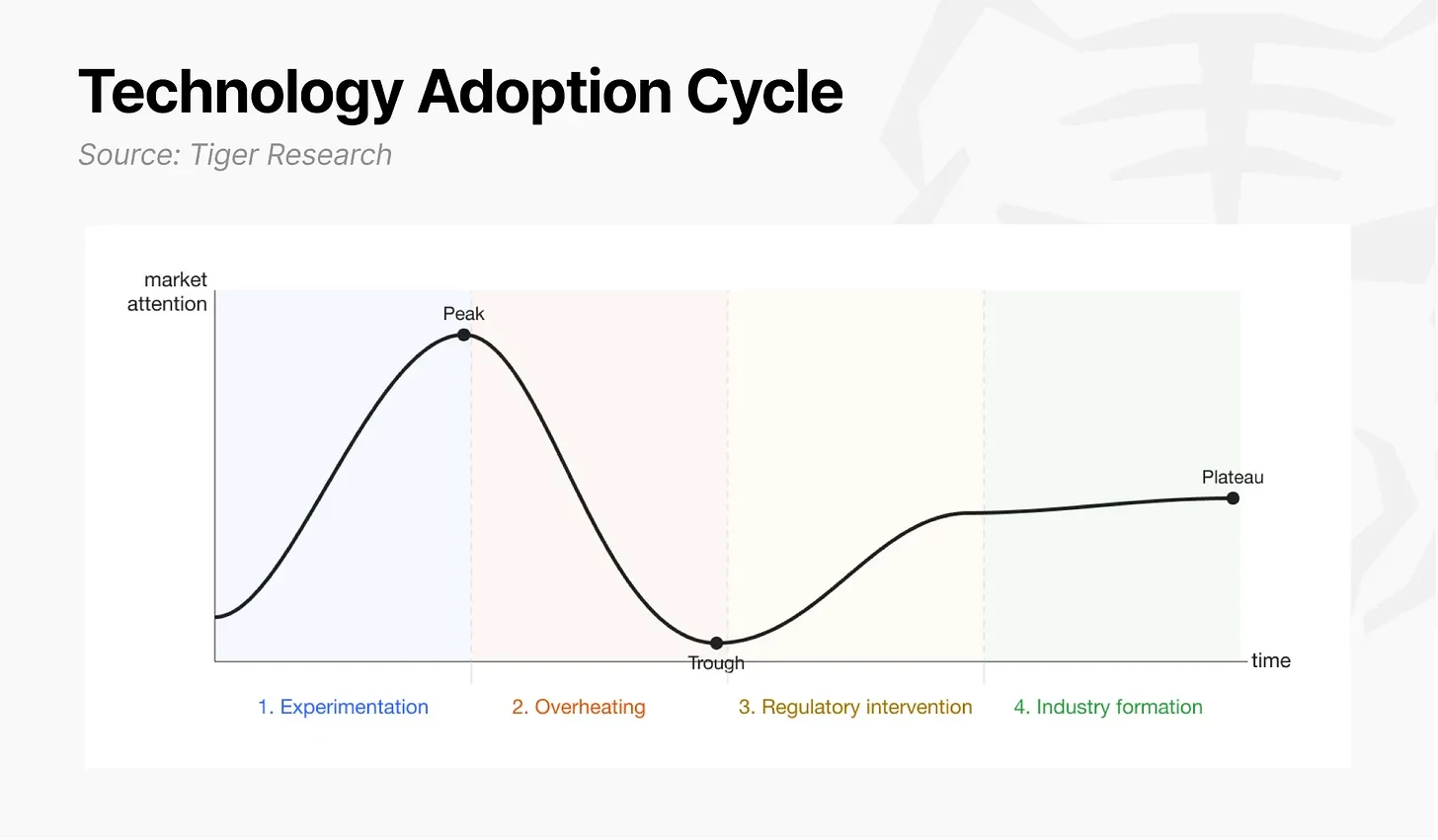
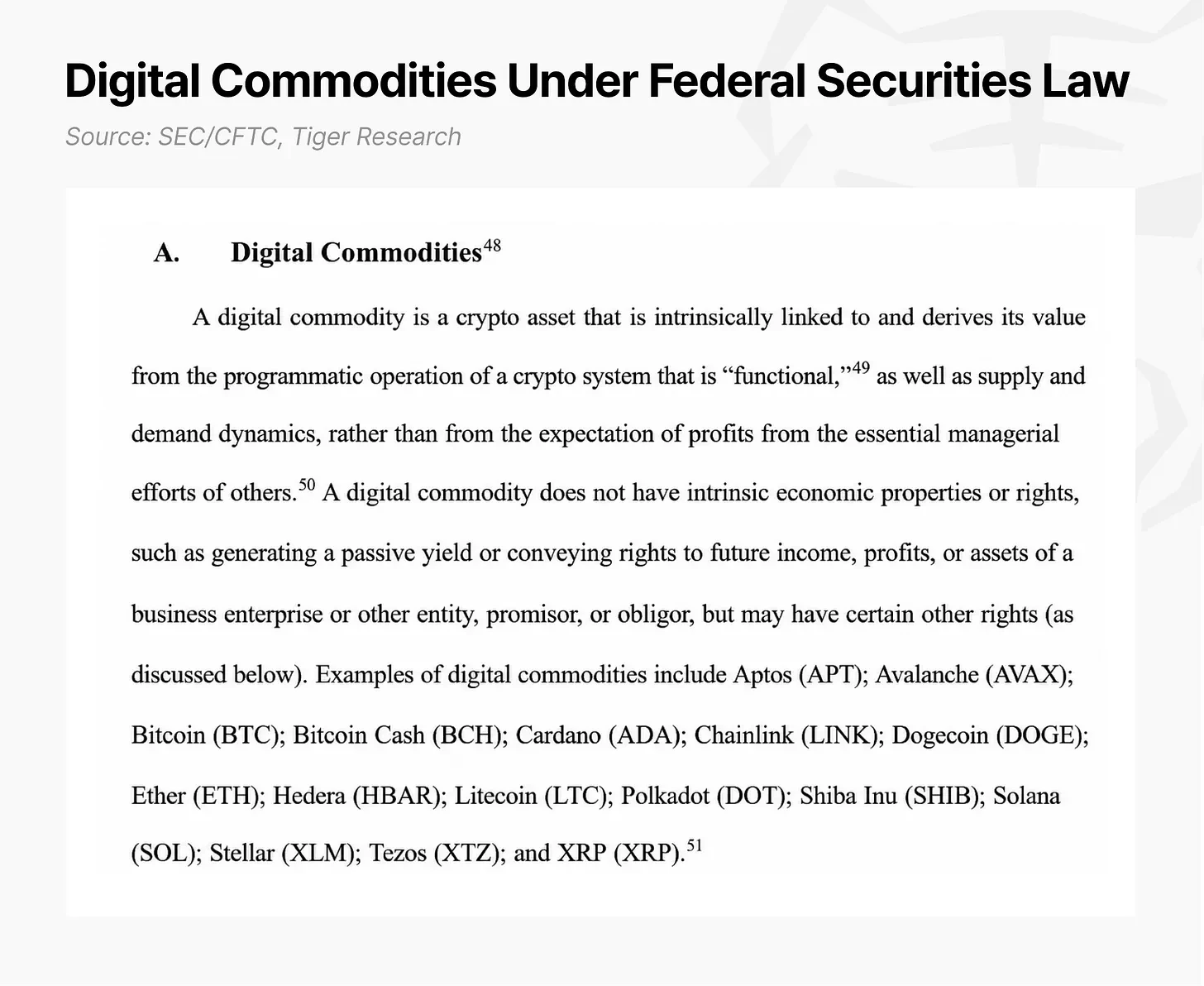
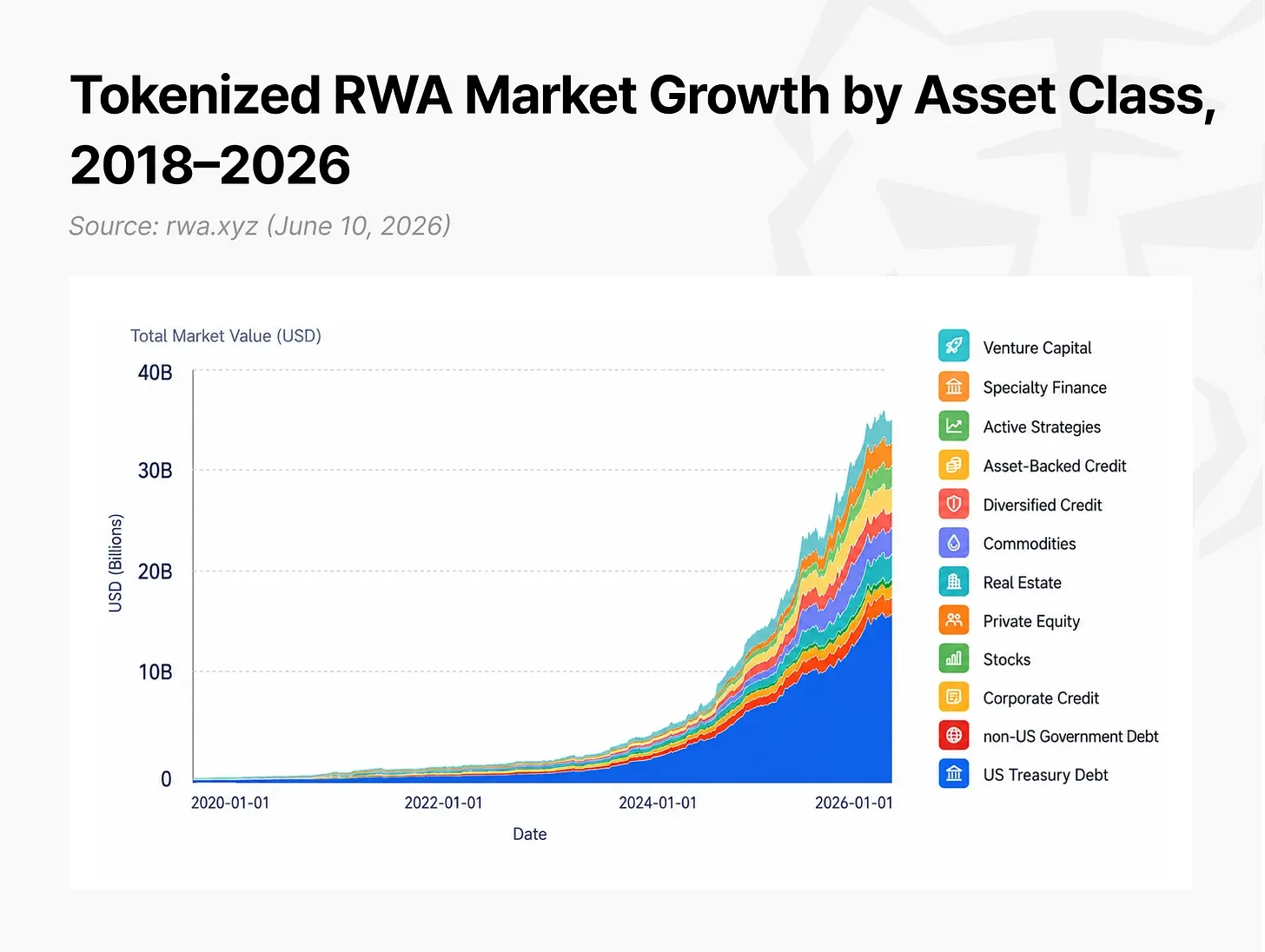
Key milestones include: the US Congress passing the GENIUS Act to establish a legal framework for stablecoins; in March 2026, the SEC and CFTC jointly issued interpretative guidance that classified 16 assets including Solana (SOL) as digital commodities, abolished the binary "security/non-security" classification, and excluded protocol staking from securities laws. The tokenized real-world assets (RWA) market grew approximately 257% in 15 months, from $5.4 billion at the start of 2025 to $19.3 billion by end of March 2026. Combined with stablecoins, on-chain asset total value approaches $300 billion.
What Are Internet Capital Markets? From Legacy Settlement to Atomic Trading
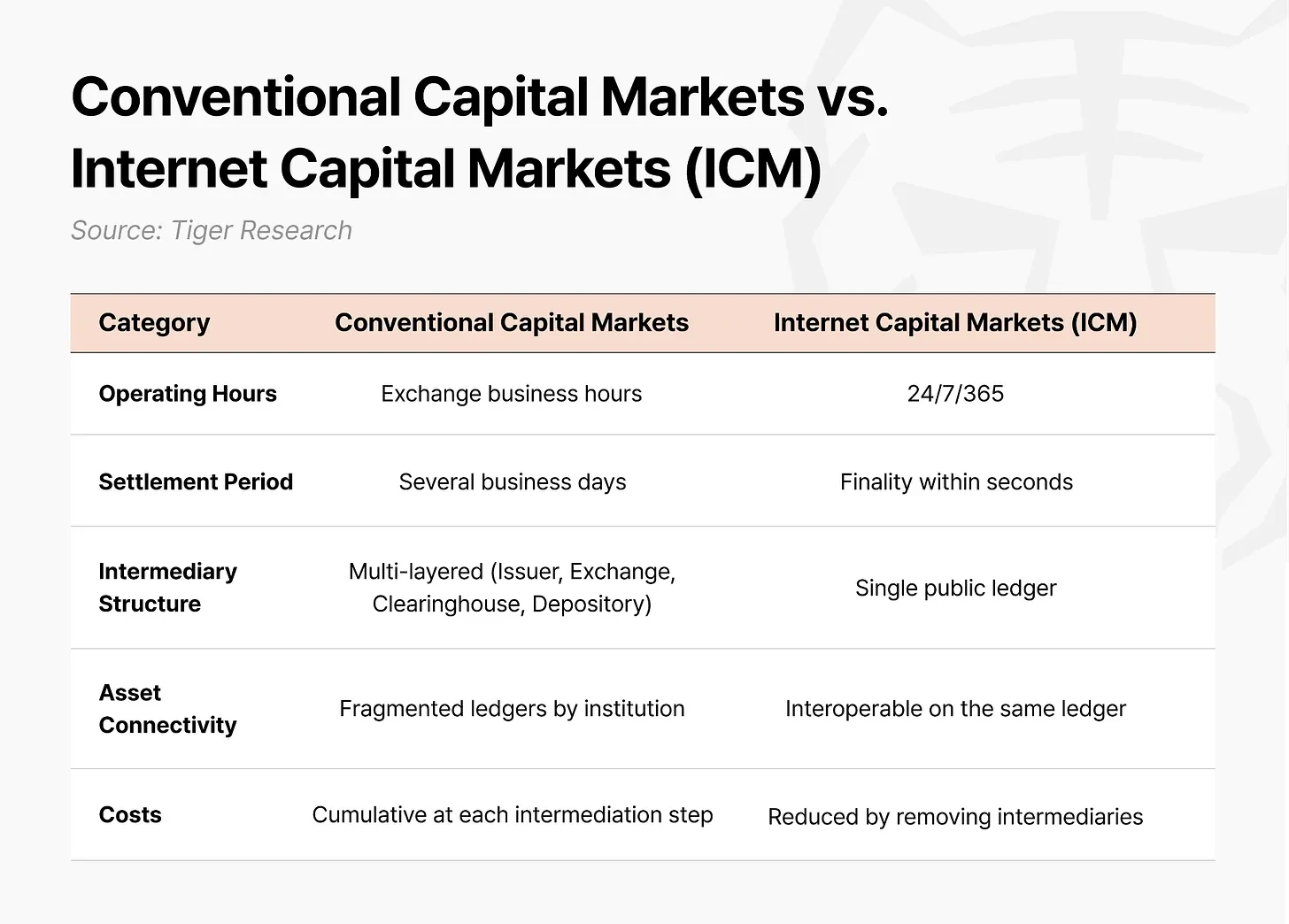
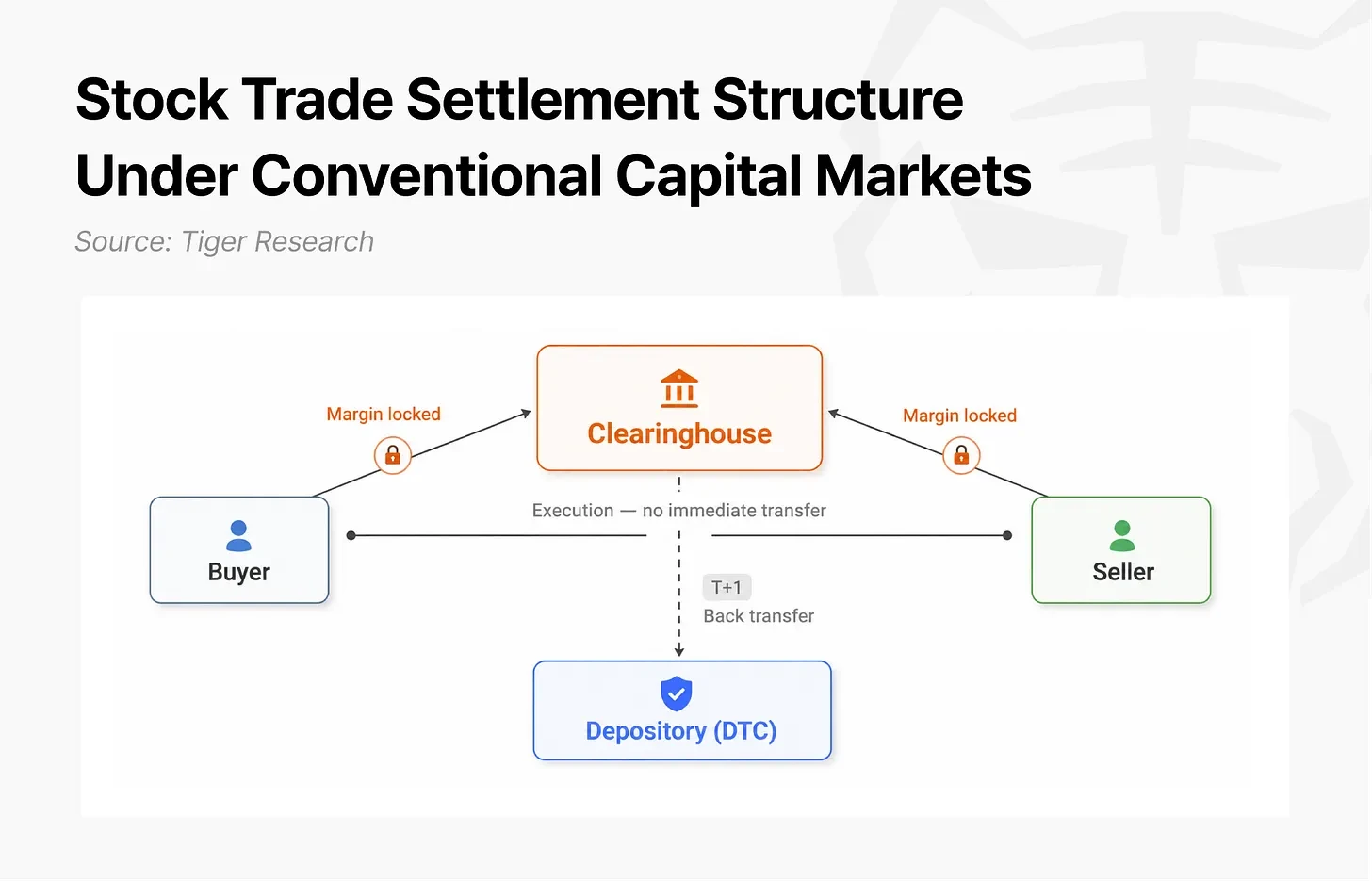
The future the crypto industry points to is the reconstruction of capital markets themselves: Internet Capital Markets (ICM), where asset issuance, trading, and settlement all occur on a single public blockchain. Traditional capital markets operate on infrastructure designed before the internet: clearinghouses assume counterparty risk, require margins from both buyers and sellers, and lock funds until settlement (T+1 to T+3). Cross-border transactions add currency conversions and multiple depositories, stretching settlement to T+3 or longer. This legacy architecture imposes an estimated $32 billion annual opportunity cost from idle funds in the US Treasury market alone, and over $45 billion for the entire US fixed-income market.
In ICM, smart contracts replace the clearinghouse: the buyer's payment and the seller's asset are placed into a single smart contract and executed as one atomic transaction (DvP). If either party's condition is unmet, the entire trade automatically cancels—no partial outflows. Execution and settlement complete in seconds (T+0), eliminating clearinghouses and inter-institutional reconciliation.
The US Leads: Dollar Reserve Status and the Solana Ecosystem
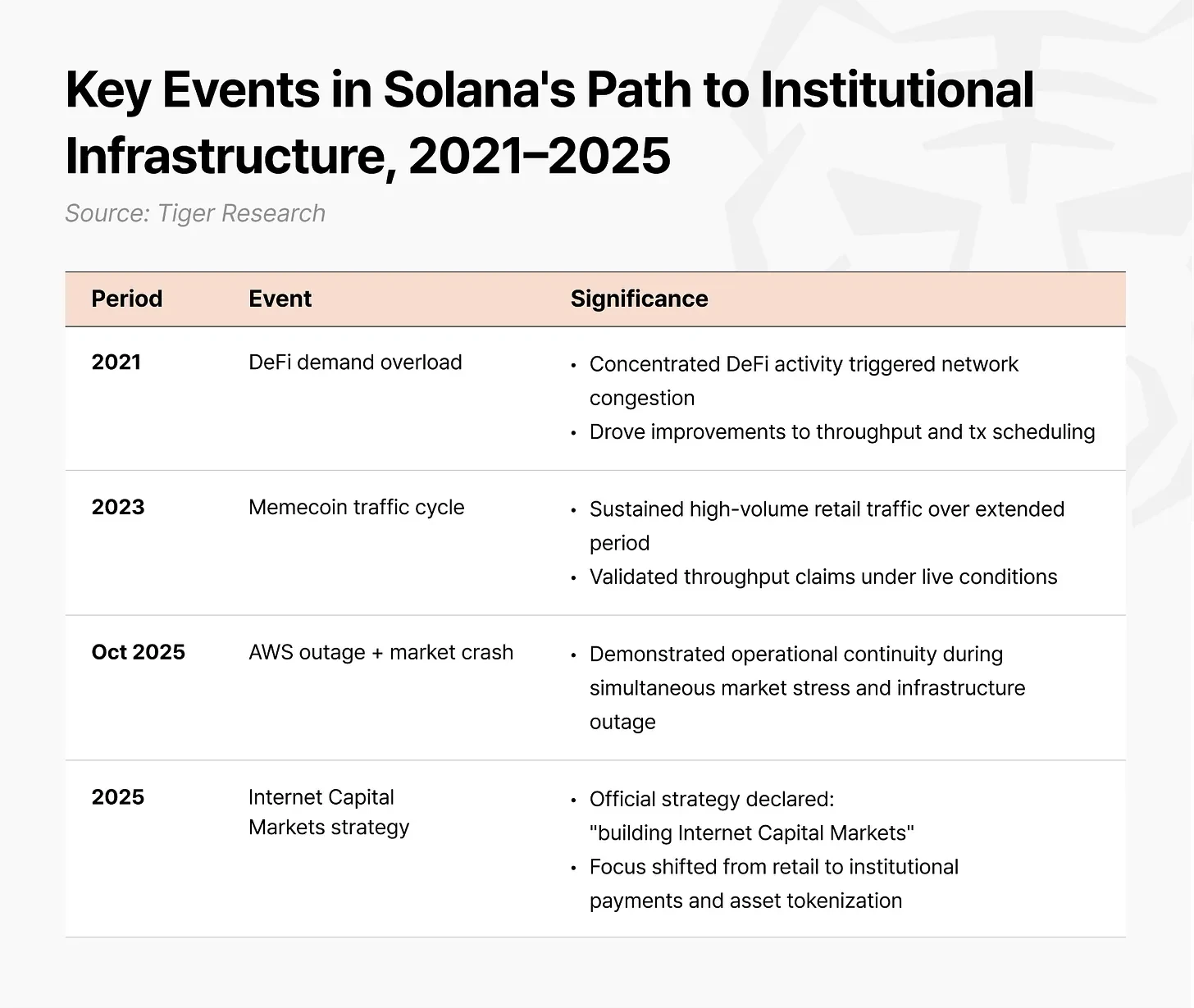
Leveraging the US dollar's reserve currency status and mature financial market infrastructure, the United States is at the forefront of ICM transformation. Over 99% of stablecoins are dollar-denominated, and SEC disclosure standards serve as global benchmarks. Solana has been selected as the technical foundation because it meets institutional requirements: finality time of ~0.5 seconds, average transaction fee of $0.0013, and the Token-2022 standard embedding compliance features (freeze, clawback, whitelist, zero-knowledge encrypted balances) directly into tokens.
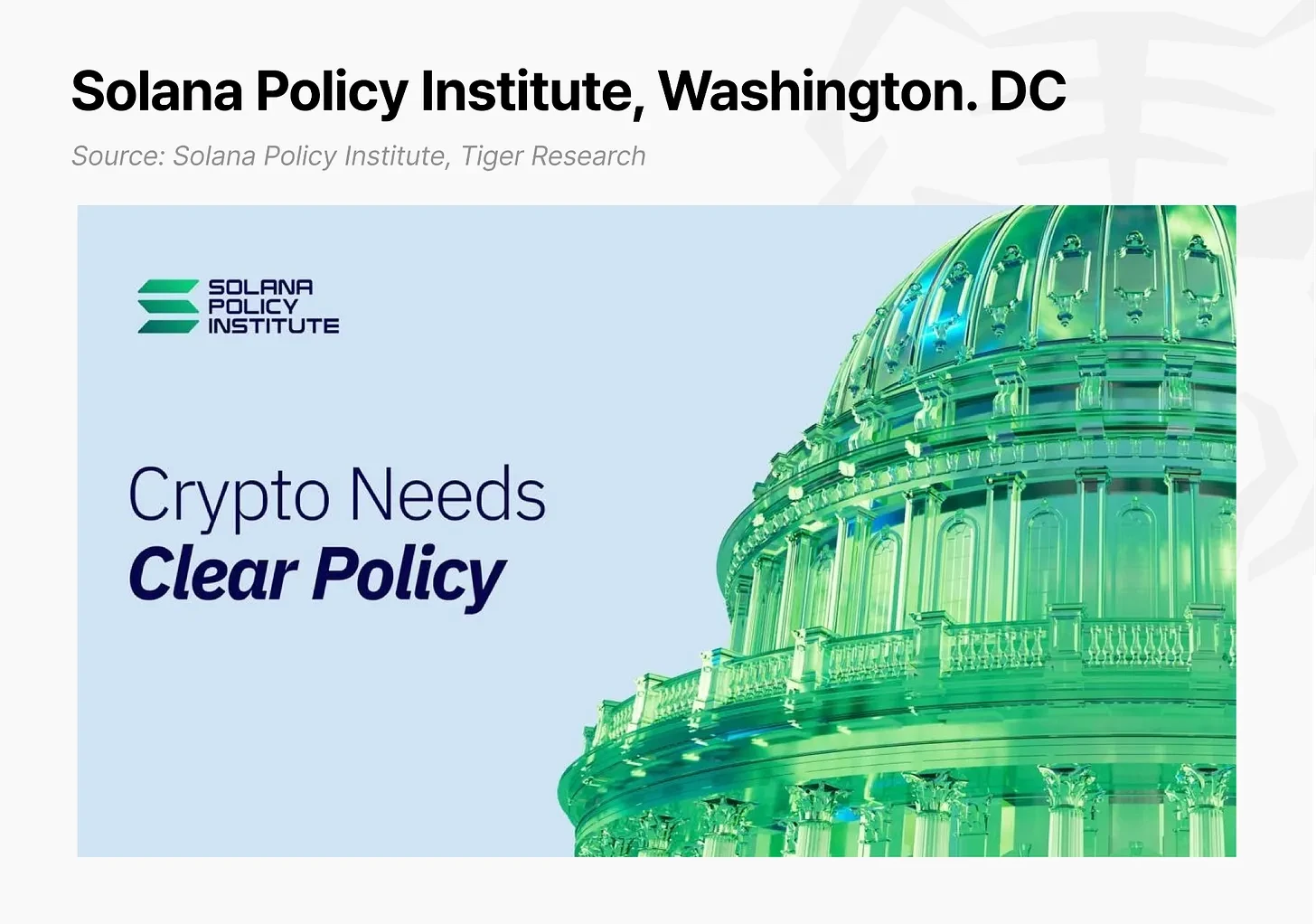
In 2025, Solana established "Building Internet Capital Markets" as its official strategy and founded the Solana Policy Institute (SPI), proactively submitting the "Project Open" pilot framework to the SEC. Seven major US financial institutions—J.P. Morgan, State Street, Citi, Franklin Templeton, Visa, PayPal, and Western Union—have launched proofs of concept or completed real transactions on Solana, including three of the eight US global systemically important banks (G-SIBs).
Real-World Cases: Institutional Practices on Solana
Multiple concrete cases illustrate ICM in action. State Street and Galaxy launched the SWEEP on-chain fund in May 2026, accepting stablecoin or fiat deposits to invest in short-term US Treasuries, with Ondo Finance anchoring ~$200 million. J.P. Morgan and Galaxy arranged a $50 million US Commercial Paper (USCP) issuance on Solana—one of the earliest real debt securities trades on a public chain, compressing settlement from T+1 to real time. Citi and PwC completed a trade finance bill of exchange tokenization proof of concept, reducing settlement from days to minutes. Western Union issued the USDPT dollar payment token, transforming cross-border remittance settlement from "pre-funded reserves" to "real-time on-demand supply," achieving 7x24 settlement based on Solana's 0.4-second block time, and planning to expand its stablecoin payment service "Stable by Western Union" to over 40 countries in 2026.
Additionally, Fiserv launched the FIUSD white-label stablecoin platform covering ~10,000 financial institution clients; Apollo through Securitize issued the ACRED tokenized fund, using Solana's low fees and sub-second speed to achieve ~2.5x leverage (amplifying 7.4% base yield to 12%-16%); Figure Technology bridged HELOC loan rights to Solana, using Kamino lending protocol for up to 9x leverage. Orca and Streamex launched the compliant GLDY gold yield token pool enabling 24/7 trading.
Regulatory Framework: Settled Boundaries vs. Frontier Issues
Areas now within the regulatory framework include: bank crypto custody (reclassified as off-balance-sheet after SAB 121 repeal); digital commodity status for 16 assets (including SOL); stablecoins under the GENIUS Act; tokenized securities (SEC approved Nasdaq pilot, DTCC plans full launch October 2026 covering Russell 1000 constituents, major index ETFs, and US Treasuries); and CFTC's first approval of Bitcoin perpetual futures. Frontier issues remain: public-chain free stock trading (currently limited to Reg S and Reg D investors); DEX anti-money laundering obligations; and prohibition of stablecoin interest payments under the GENIUS Act. The CLARITY Act, which could resolve many of these issues, has roughly a 50% or lower chance of passage in 2026, with the legislative window closing around early August before midterm elections.
Asia's Strategic Window: Three Phases—Executable, Transitional, Exploratory
Asian financial institutions should not build infrastructure from scratch; instead, they should act as fast followers adopting US-validated frameworks. The key criterion is "executability": clear legal guidelines, licensing regimes, and market infrastructure (custody, settlement, disclosure). Three phases exist: Executable (Singapore MAS, Japan FSA, UAE ADGM)—licensing and infrastructure ready, stablecoin payments and spot ETFs can commercialize immediately; Transitional (South Korea FSC, Thailand SEC, Malaysia SC)—policy direction clear but rules not finalized, requiring pre-built operational structures; Exploratory (Indonesia, Vietnam, parts of Philippines)—legal classifications unclear, small-scale experiments to accumulate data. For institutions in jurisdictions with slow domestic regulation, an offshore route (setting up entities in Singapore or UAE to pilot) offers an effective alternative.
Conclusion: Validation Complete, Standards Not Yet Frozen—The Fast-Follower Window Remains Open
Internet Capital Markets are no longer a concept but a running reality. J.P. Morgan, State Street, Franklin Templeton—diverse global institutions simultaneously choosing Solana—not out of preference, but because it meets their technical and structural requirements: embedded compliance (Token-2022), proven throughput under stress, and a complete system from Washington policy engagement to real-time settlement infrastructure. The variable for Asian institutions is no longer "whether to enter" but the order and entry point. Validation is complete, standards have not yet solidified—this interval is precisely the window for fast followers. How long it will remain open is uncertain.