
This article was originally published by Bit.Fan. For more cryptocurrency news and market insights, visit www.bit.fan.
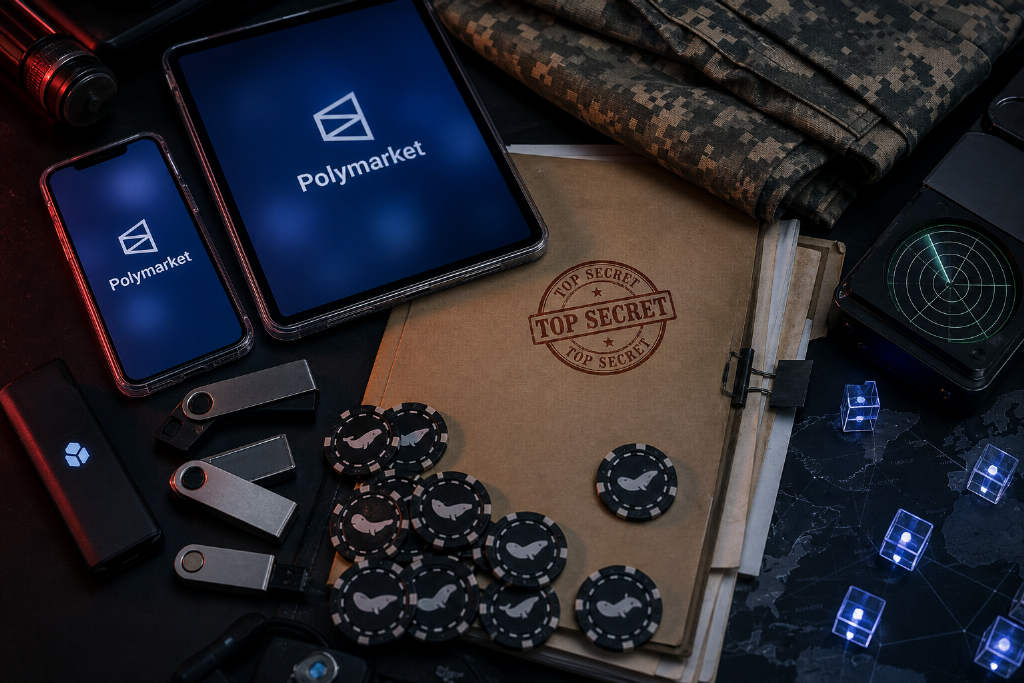
ACDC Says More Than 150 Polymarket Wallets Appeared to Bet on Military Secrets
N
News EditorReuters, citing a new report from the nonprofit Anti-Corruption Data Collective (ACDC), says more than 150 crypto wallets on Polymarket may have used inside information tied to U.S. military activity. The group found 152 “orca” wallets focused on military and defense markets, with $8 million in total profits and a 97.2% average win rate. ACDC also said the trades drew copycat betting from bots and large traders, which can speed up the spread of sensitive signals on-chain. Polymarket had not commented at the time of the report, while the U.S. Defense Department said it does not comment on intelligence matters or third-party research. ACDC co-founder David Szakonyi said the transparency of blockchain makes abnormal betting easy to spot, and argued that relying only on post hoc enforcement is not enough to curb insider-trading risks in prediction markets. The group called for full KYC checks, delayed payouts during investigations, and possible bans on highly sensitive markets tied to nonpublic information.
Reuters said a new report from the nonprofit Anti-Corruption Data Collective (ACDC) found that more than 150 crypto wallets on Polymarket may have used U.S. military secrets to place bets.
ACDC reviewed all settled prediction markets through May 5 and screened for Long Shot bets that took in at least $2,500 in an hour and carried win odds below 35%. The researchers identified 556 distinctive wallets, which they labeled “orca” wallets.
According to the report, 152 of those wallets focused on military and defense topics. Together, they generated $8 million in profit and posted an average win rate of 97.2%.
ACDC said the pattern may reflect luck, but the concentration and profit profile also raise concerns that some wallets could have been exposed to highly sensitive military information.
The report also said this type of betting drew copycat activity from well-funded whales and automated trading bots. Copy trading is allowed under current rules, but ACDC said it can speed up the spread of information signals released by the “orca” wallets.
As one example, the report pointed to an episode in June last year, when a wallet bet that the U.S. military would take action against Iran hours before the event. That wager reportedly triggered $200,000 in bot bets and $100,000 from whales.
Polymarket had not responded to a request for comment. The platform previously said it has strict controls and has referred dozens of suspicious wallets to law enforcement. The U.S. Defense Department said it does not comment on intelligence matters or third-party research.
On another front, the Commodity Futures Trading Commission is seeking jurisdiction over prediction markets and has filed lawsuits over related violations.
ACDC co-founder David Szakonyi said blockchain transparency makes unusual betting easy for anyone to see. He said it would be naive to think foreign intelligence agencies are not monitoring these markets.
The group said post hoc enforcement and identity limits alone are not enough to reduce insider-trading risk in prediction markets. It called for full KYC verification for all traders, a pause on payouts during investigations into suspicious activity, and possible bans on sensitive markets that are easy to use and highly profitable when they rely on nonpublic information.
12700
Disclaimer:
The market information, project data, and third-party content displayed on this platform are for industry information sharing only and do not constitute any form of investment advice or return commitment.
Cryptocurrency trading carries high risks. Users should fully assess their risk tolerance and make independent decisions. All profits, losses, and legal responsibilities are borne by the users themselves.