
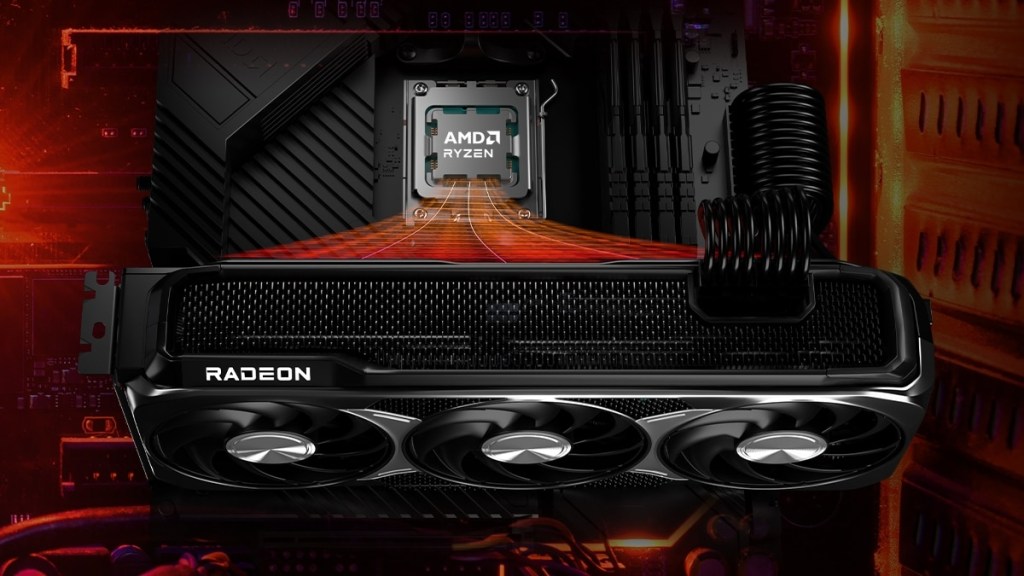
AMD has told its add-in-board, or AIB, partners that it plans to raise GPU memory kit prices by at least 10% starting in August, according to ABMedia. The outlet cited Wccftech, which in turn referenced screenshots obtained by ChannelGate on July 31, 2026. The report said the increase would lift component costs for graphics card makers and could eventually feed through to retail pricing.

August increase would cover GPU memory kits
ABMedia said AMD notified its AIB brand partners that GPU memory kits would be subject to a unified price increase in August, with the hike set at no less than 10%. The RX 9000 series is expected to be among the first lineups affected.
Based on the report, the adjustment has already moved beyond internal planning and into partner communication. That means board vendors now face higher procurement costs for AMD-related memory components. Whether those costs are passed on fully or only in part will depend on each vendor’s inventory position and pricing strategy, but the report said consumers may ultimately bear part of the increase.
AMD reportedly waited until NVIDIA moved first
The article said AMD had already been planning a price increase a month earlier. It chose not to act at the time because NVIDIA graphics cards remained the mainstream choice in most regions, and an earlier move by AMD could have cost it market share.
That changed after NVIDIA raised prices on its RTX 50 series, according to the report. ABMedia said the NVIDIA move was followed by price increases in China, after which AMD decided to proceed with its own adjustment.
Higher DRAM costs are central to the increase
ABMedia tied the decision directly to this year’s jump in upstream DRAM procurement costs. Some DRAM products have seen price increases that are close to doubling, the report said. The pressure is not limited to one memory category. It extends beyond GDDR6 and into the broader consumer graphics memory market.
Because AMD’s RX 9000 series and earlier products use GDDR6, the report said multiple generations could be affected, with the RX 9000 line facing the biggest impact. It also said memory suppliers’ cost pressure has already moved down the chain for some time, while GPU vendors had been absorbing those increases by compressing margins. That approach, the article said, is reaching its limit.
ABMedia added that NVIDIA had already increased pricing on GDDR6 and GDDR7 kits. NVIDIA’s exact increase has not been disclosed, but the report said the market expects it to be close to AMD’s roughly 10% move.
ABMedia also pointed to a broader pricing shift at AMD
The report argued that a cost explanation alone may not fully capture what AMD is doing on pricing. It referenced an earlier Chain News report saying AMD priced its full-stack Helios AI rack solution at $5 million to $5.5 million per rack, roughly 40% above the estimated price of NVIDIA’s second-generation Vera Rubin.
ABMedia described that as a break from AMD’s past pattern of leaning on lower prices to win share. In the article, two possible lines of logic were laid out. One is that AMD now sees its technology integration, from the RDNA architecture to the ROCm ecosystem, as strong enough to support a premium. The other is that rising memory costs, whether HBM on the AI server side or GDDR in consumer products, are forcing the company to reflect those expenses in end pricing.
Retail card pricing may start changing in August
For consumers considering a GPU upgrade, the report’s message was straightforward: board makers’ retail pricing is expected to begin adjusting in August. The size of those changes may vary depending on each vendor’s inventory and pricing decisions.
ABMedia also said past price-hike cycles have shown that significantly higher graphics card prices can weaken buying interest. Some users may delay purchases, shift to the second-hand market, or continue using existing hardware. With NVIDIA still holding the mainstream position across much of the market, the report said AMD faces a tougher balancing act as it raises prices.