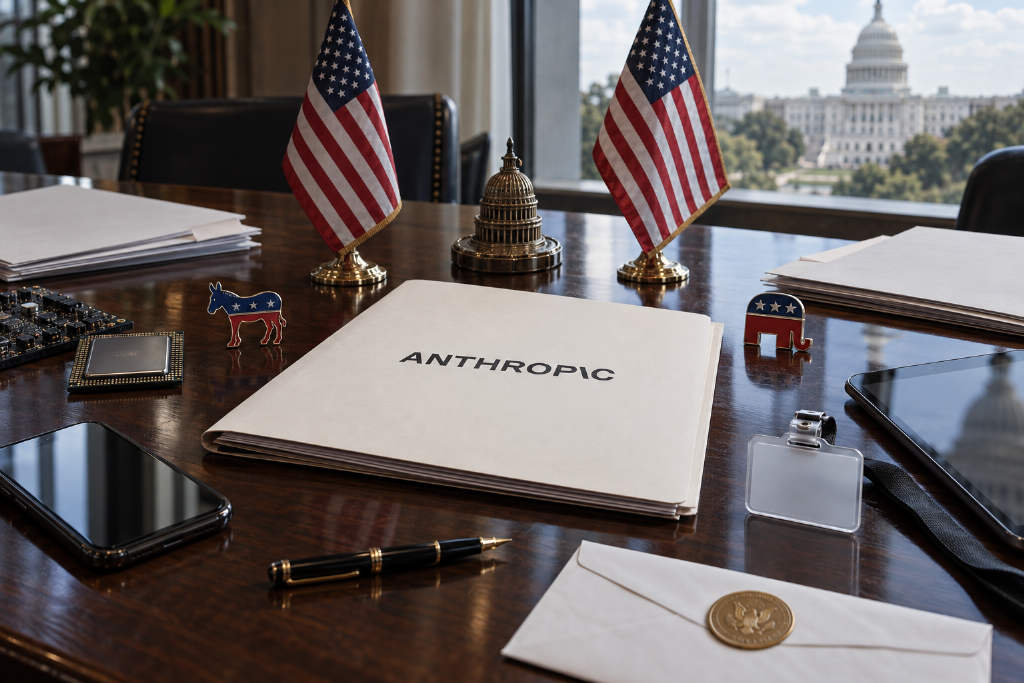
Anthropic is putting together a formal outreach program aimed at U.S. presidential candidates ahead of the 2028 election, according to a report cited by ChainCatcher from Fortune. The artificial intelligence company is building an internal team and hiring a political programs lead to help shape its political strategy, run political funding programs, and engage with candidates from both parties on AI issues.
The job posting says the role would identify potential candidates across both parties, provide AI policy education to candidates and their advisers on equal terms, brief executives for those conversations, and prepare for party platforms, conventions, and the transition period. The position requires more than 12 years of experience in campaigns, party committees, or political organizations, along with a record of credible bipartisan work. Compensation is listed at $295,000 to $345,000.
Fortune said the plan is taking shape before the November midterm elections and ahead of a possible initial public offering that could value the company at as much as $2 trillion. Bruce F. Freed, president of the Center for Political Accountability, said corporate ties with presidential campaigns are not unusual, but he had not seen such a formal presidential-election outreach structure before. California Democratic Senator Alex Padilla called for more disclosure, while Anchor Change CEO Katie Harbath said the unusual part was that the role also covers political action committee funding. Anthropic did not immediately respond to a request for comment.
Anthropic is creating a presidential-candidate outreach program and assembling an internal team to work with candidates from both U.S. parties on artificial intelligence issues ahead of the 2028 election, according to a Fortune report cited by ChainCatcher.
The company is also hiring a political programs lead to help its leadership develop political strategy and run political funding programs tied to that effort.
The role covers candidate mapping, AI policy education, and election planning
According to the job description, the hire would build and operate the company’s plan for the 2028 election cycle, map potential candidates from both parties, and provide AI policy education to candidates and their advisers on equal terms.
The role would also prepare Anthropic executives for those conversations and plan early for party platforms, conventions, and the transition period. The position requires more than 12 years of experience in campaigns, party committees, or political organizations, plus a record of credible bipartisan cooperation. Pay is listed at $295,000 to $345,000.
Scrutiny grows as the plan takes shape
Fortune said the initiative is emerging ahead of the November midterm elections and before a possible initial public offering that could value the company at as much as $2 trillion.
Bruce F. Freed, president of the Center for Political Accountability, said it is not unusual for companies to maintain relationships with presidential campaigns, but he had not seen such a formal outreach arrangement for a presidential election.
California Democratic Senator Alex Padilla said the hiring effort shows frontier model companies are building political operations beyond their products. He added that education and influence are not the same thing, and urged Anthropic to disclose more details.
Katie Harbath, founder and chief executive officer of Anchor Change, said the unusual element is that the role also handles political action committee funding.
Anthropic did not immediately respond to a request for comment.
This article was originally published by Bit.Fan. For more cryptocurrency news and market insights, visit www.bit.fan. Disclaimer:
The market information, project data, and third-party content displayed on this platform are for industry information sharing only and do not constitute any form of investment advice or return commitment.
Cryptocurrency trading carries high risks. Users should fully assess their risk tolerance and make independent decisions. All profits, losses, and legal responsibilities are borne by the users themselves.