
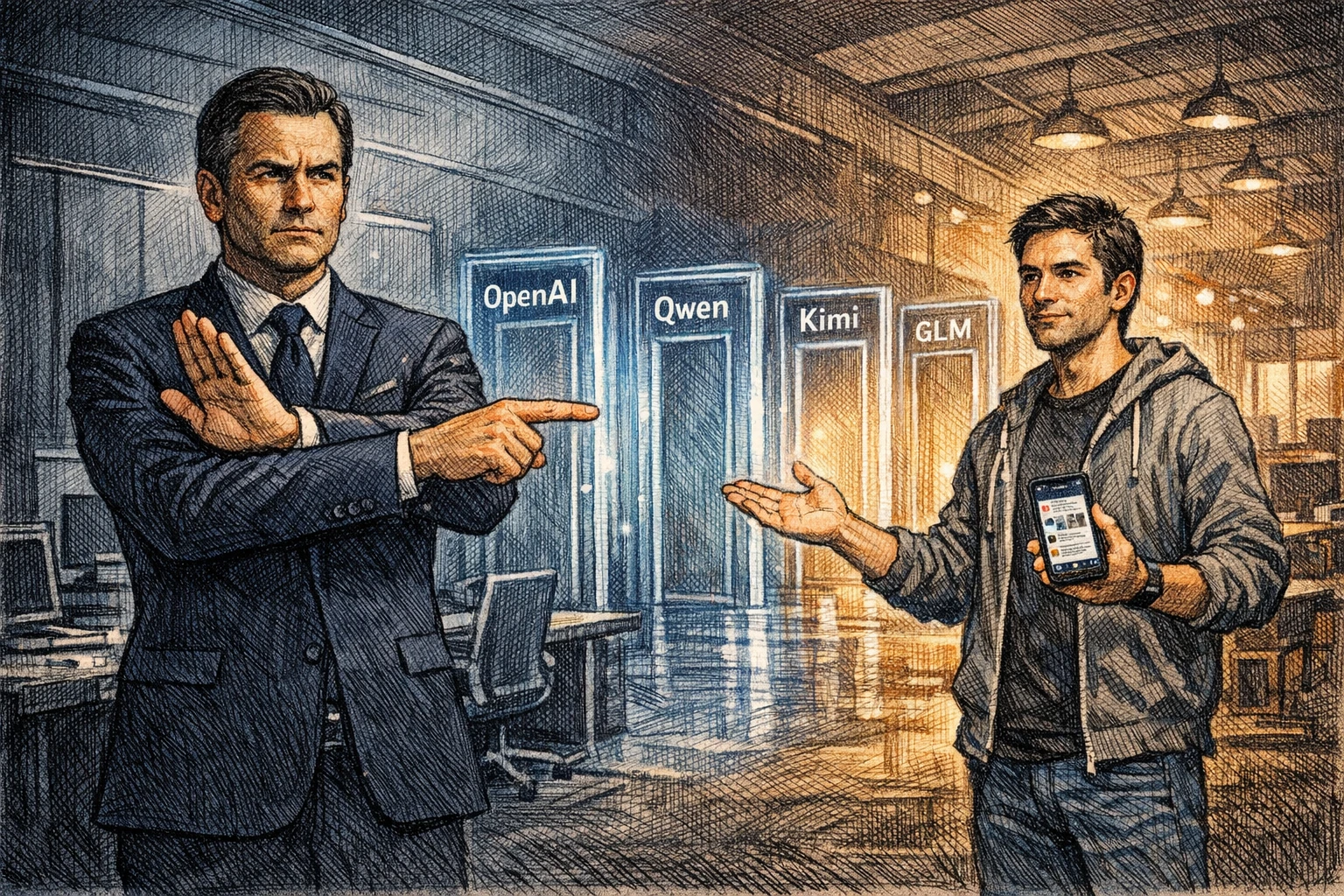
Anthropic stopped allowing third-party tools to draw on Claude subscription quotas starting April 4, prompting OpenClaw to tell users on X to switch to API keys or move to alternatives including OpenAI Codex, Qwen, MiniMax, Kimi, and GLM. The change centers on pricing, not access: the API remains available, but subsidized subscription usage no longer applies to these tools.
Anthropic says subscriptions were not built for this usage pattern
According to the source material, the policy is not limited to OpenClaw and applies across similar third-party products. Claude Code lead Boris Cherny said the subscription plans were never designed for the way these external tools were being used. That framing shifts the issue away from product restrictions and toward a mismatch between flat-fee plans and actual compute consumption.
The numbers explain why the policy changed. Under the $200-per-month Max plan, heavy users could generate real API costs of around $1,000 to $5,000 per day. At the high end, that implies a gap of up to 50x between what a user paid and what the usage consumed. Once that pricing gap became visible, a correction was hard to avoid.
OpenClaw’s response highlights a broader model market
After receiving the policy notice, OpenClaw offered two paths: keep using the service with an API key and pay by usage, or switch to other model providers. The alternatives listed were OpenAI Codex, Qwen, MiniMax, Kimi, and GLM.
That list carries its own signal. Codex appears first, while several of the other names are Chinese providers, showing how much the AI coding model market has opened up compared with earlier periods. If users can swap the underlying model without much friction, model stickiness becomes harder to separate from the pricing structure that previously made usage unusually cheap.
The main shift is the end of subsidy coverage
The source argues that calling the move a “ban” goes too far. Anthropic has not shut off the API, and the billing logic remains straightforward: usage is billed according to consumption. What changed is that third-party tools can no longer rely on subscription quotas to cover that demand.
For users whose daily usage stays below $50, the adjustment may barely register. The impact lands on the heaviest users, especially those who had been treating a $200 monthly plan as access to far larger amounts of compute. With that subsidy removed, billing now tracks actual cost much more closely.