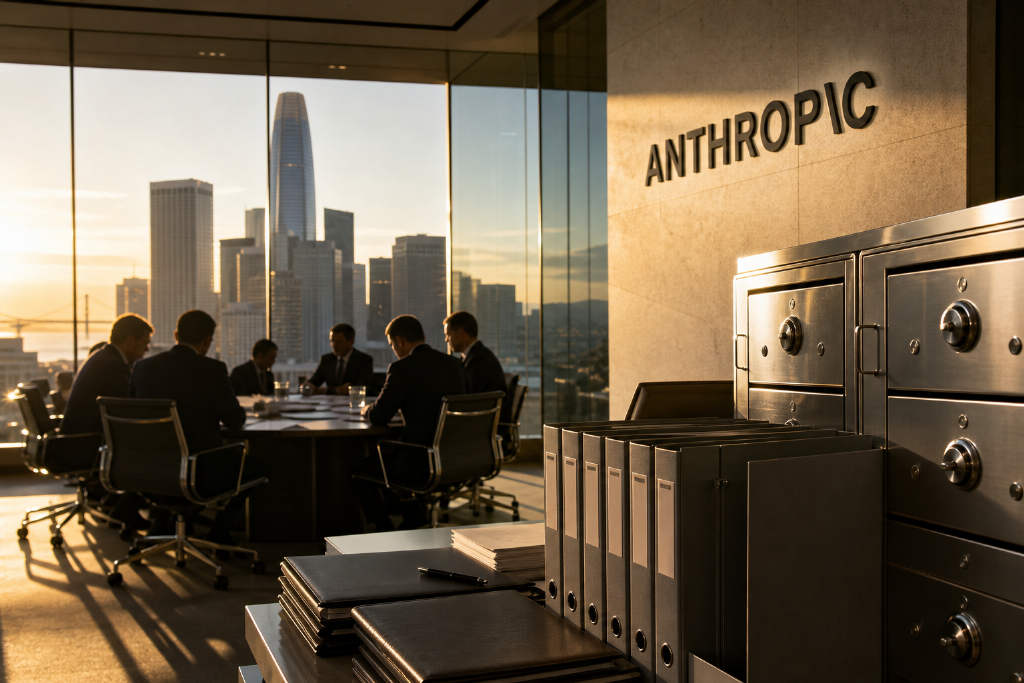
Anthropic is enlarging its revolving credit facility ahead of a closely watched IPO, and the target size is now expected to top roughly $10 billion, according to people familiar with the matter. The AI company, best known as the developer of Claude, has drawn interest from a range of banks that want a bigger role in the offering. Proposed loan commitments vary by participation level, with the most active banks being asked for about $1.25 billion each, followed by roughly $1 billion for the next tier and as low as $750 million or less for others. The people familiar with the matter did not disclose further details.
Anthropic’s revolving credit facility is expected to exceed its roughly $10 billion target as the artificial intelligence company prepares for a closely watched initial public offering, according to people familiar with the matter.
The company behind Claude is expanding the financing plan, and that has drawn interest from a number of banks that are looking to increase their role in the IPO, the people said.
Some of the people said Anthropic has asked the banks leading the facility and taking the most active role to provide about $1.25 billion in loan commitments each. Banks in the next tier are being encouraged to commit about $1 billion each, while less active lenders are being offered commitments of about $750 million or less.
This article was originally published by Bit.Fan. For more cryptocurrency news and market insights, visit www.bit.fan. Disclaimer:
The market information, project data, and third-party content displayed on this platform are for industry information sharing only and do not constitute any form of investment advice or return commitment.
Cryptocurrency trading carries high risks. Users should fully assess their risk tolerance and make independent decisions. All profits, losses, and legal responsibilities are borne by the users themselves.