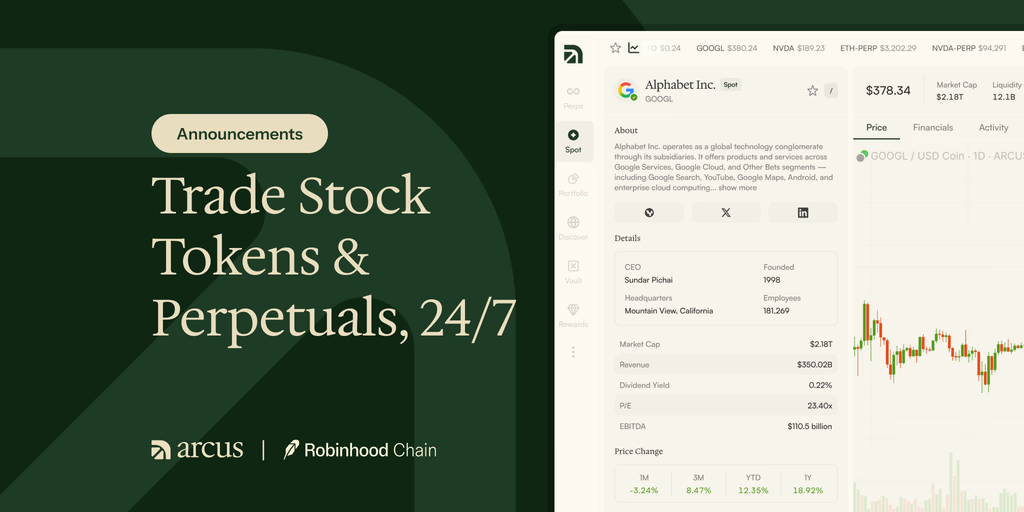
Arcus chooses Robinhood Chain
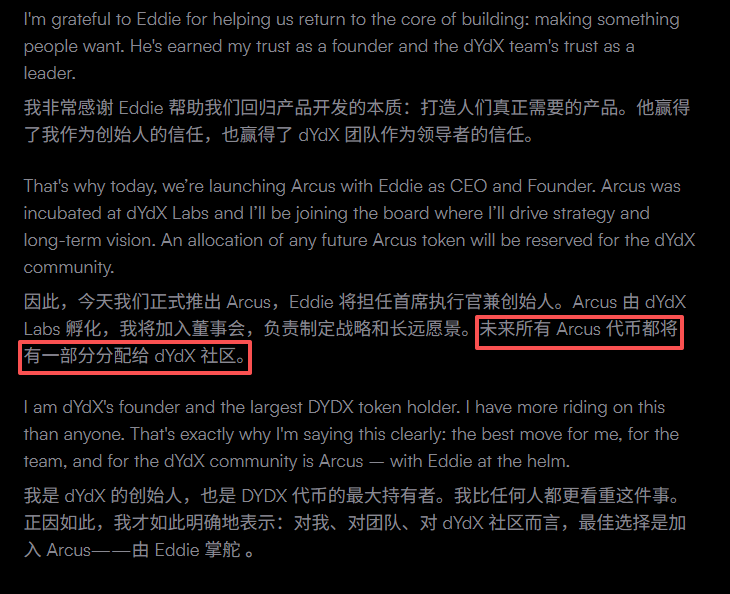
According to the source report, Arcus has opted for Robinhood Chain rather than remaining structurally aligned with the dYdX ecosystem. The wording in the original piece is intentionally sharp, but the factual takeaway is straightforward: Arcus did not settle on dYdX Chain as its main destination and instead moved toward another chain platform.
dYdX founder says the chain is not shutting down
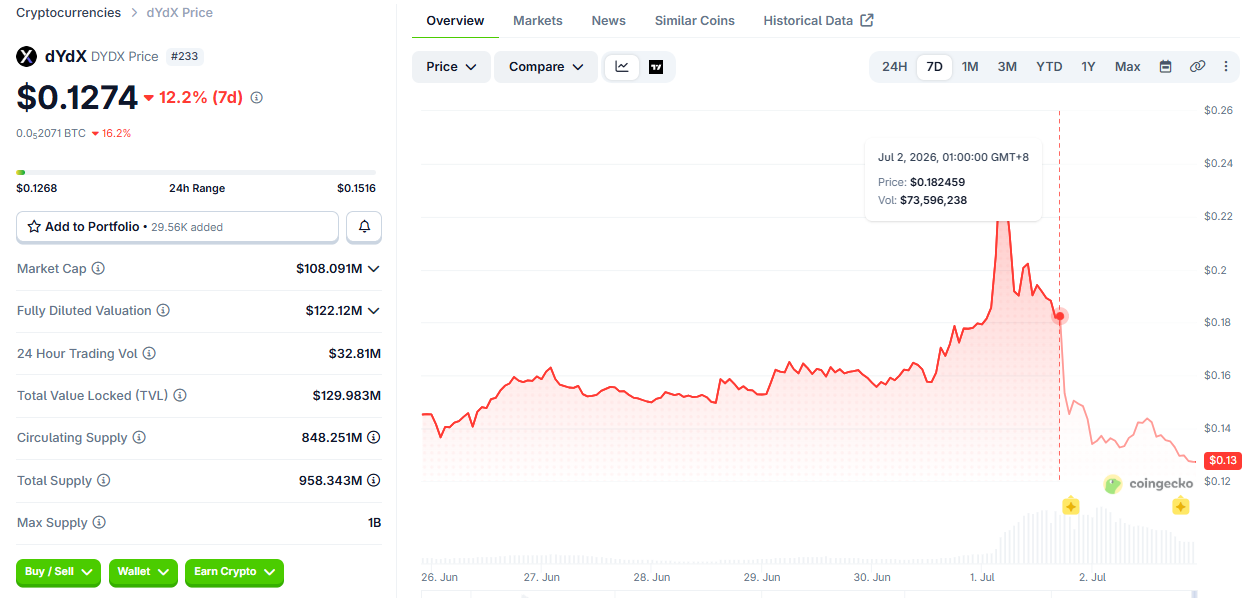
In response to the debate, the founder of dYdX stated that dYdX Chain will not stop operating. That statement addresses a narrow but important concern around continuity and survival of the chain itself. However, the report suggests that the market conversation is not centered only on whether the chain remains live. The more material issue is whether Arcus-related value that could have flowed back into the dYdX ecosystem is now being redirected elsewhere.
The deeper issue is ecosystem value diversion
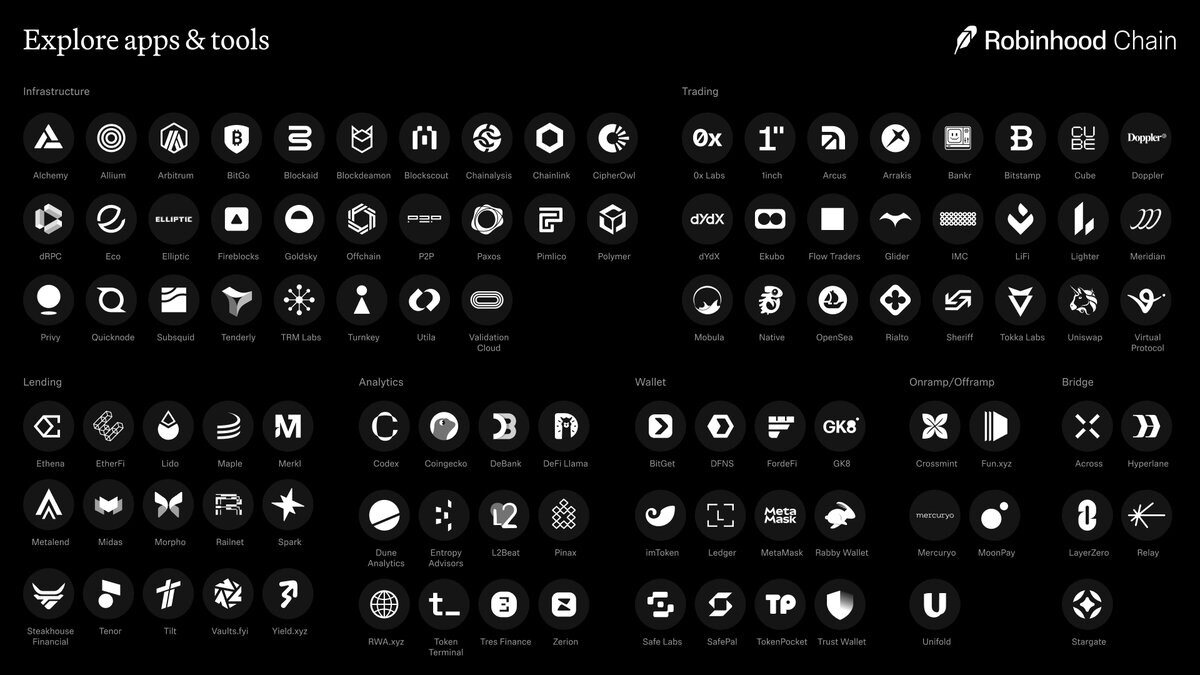
The short news item frames the real embarrassment for dYdX as an ecosystem problem rather than a purely technical one. Even if dYdX Chain continues to run, that does not automatically mean it will retain the strategic benefits associated with Arcus. If project synergies, traffic, or platform-level value accrual are captured by Robinhood Chain instead, then dYdX may remain active on paper while losing part of the economic and narrative upside. For crypto professionals, this is a familiar distinction: operational continuity is one thing, but value capture is another.
Viewed through that lens, the Arcus decision becomes a signal about infrastructure competition and ecosystem ownership. Chains are not judged only by uptime or architecture. They are also judged by whether they can retain builders, integrations, and the downstream benefits created by affiliated projects. In this case, the founder's reassurance that dYdX Chain is not going offline may calm one layer of concern, but it does not fully answer the more difficult question raised by the report: who ultimately captures the value Arcus generates?