
Arcus chooses Robinhood Chain, raising questions for dYdX’s ecosystem strategy
According to the source text, Arcus chose Robinhood Chain rather than continuing to reinforce its alignment with dYdX. That decision immediately shifted the discussion away from simple partnership optics and toward a more structural issue: where ecosystem value ultimately flows. In crypto infrastructure markets, a project’s chain choice is not only a technical preference. It can also determine where users, attention, and future strategic upside accumulate.
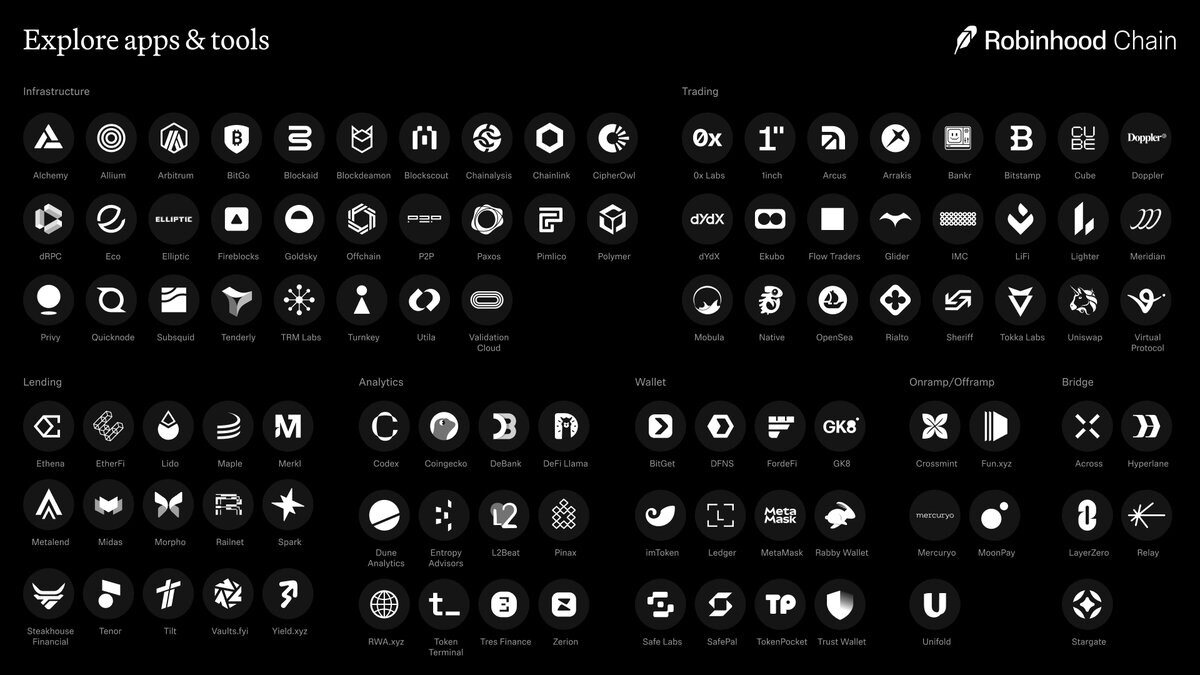
In this case, the implication is that Arcus may no longer serve as a clean source of value feedback into dYdX Chain. Even if Arcus originated close to the dYdX ecosystem, its strategic direction now appears to be tied more closely to Robinhood Chain. That matters because ecosystem building is measured not only by whether projects launch, but by whether their growth compounds inside the original network over time.
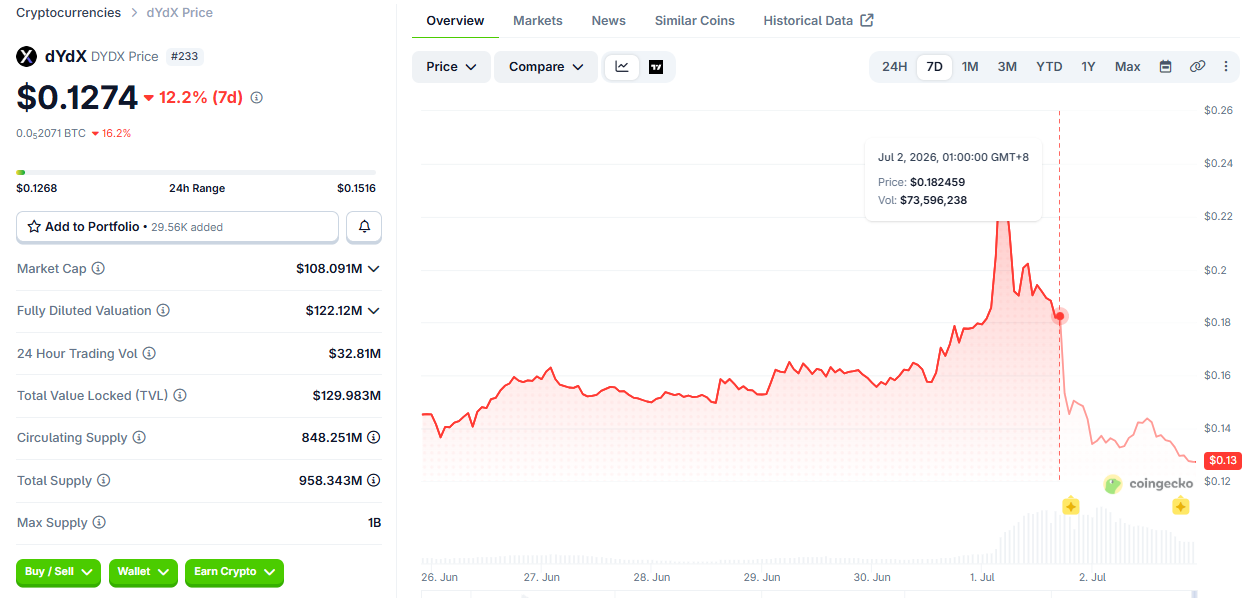
dYdX founder says the chain will not stop, but the market focus is elsewhere
The source also notes that the dYdX founder responded that dYdX Chain will not be halted. On its face, that statement is aimed at stabilizing expectations. It signals continuity of operations and pushes back against any interpretation that the chain itself is entering a shutdown scenario. For market participants, such messaging can be important in preventing operational uncertainty from becoming the dominant narrative.
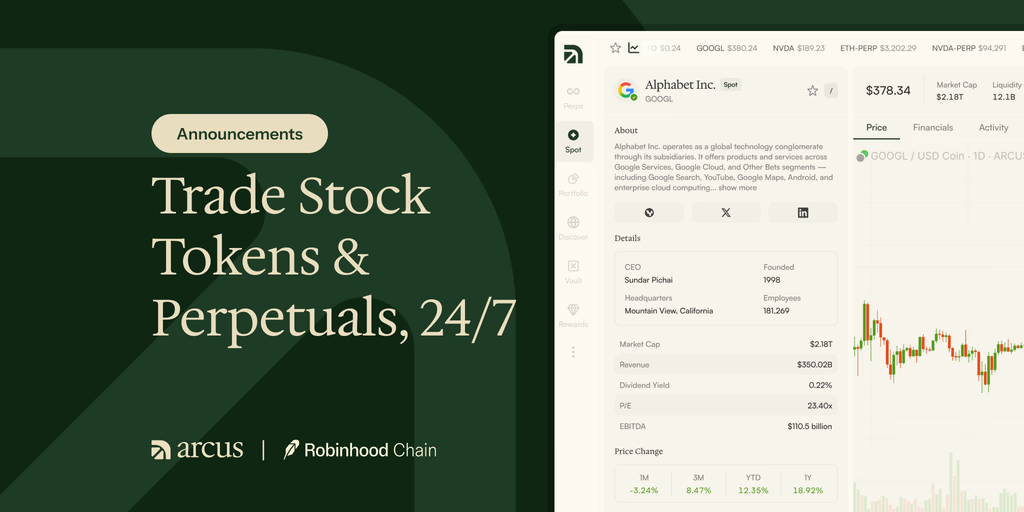
Still, the response does not fully address the more uncomfortable issue exposed by the Arcus move. The market’s concern is not merely whether dYdX Chain remains online. The deeper question is why an ecosystem project with meaningful strategic value appears to be channeling that value elsewhere. In other words, the founder’s statement may answer the question of continuity, but it does not eliminate concerns about ecosystem retention and alignment.
Why this matters beyond one project decision
Viewed more broadly, the Arcus episode illustrates a recurring reality in the current crypto stack: infrastructure competition is no longer just about throughput, app design, or branding. It is also about who can retain project loyalty once credible outside options emerge. When a project can choose a stronger distribution layer, a more attractive partner ecosystem, or a more effective user funnel, original ecosystem ties may weaken quickly.
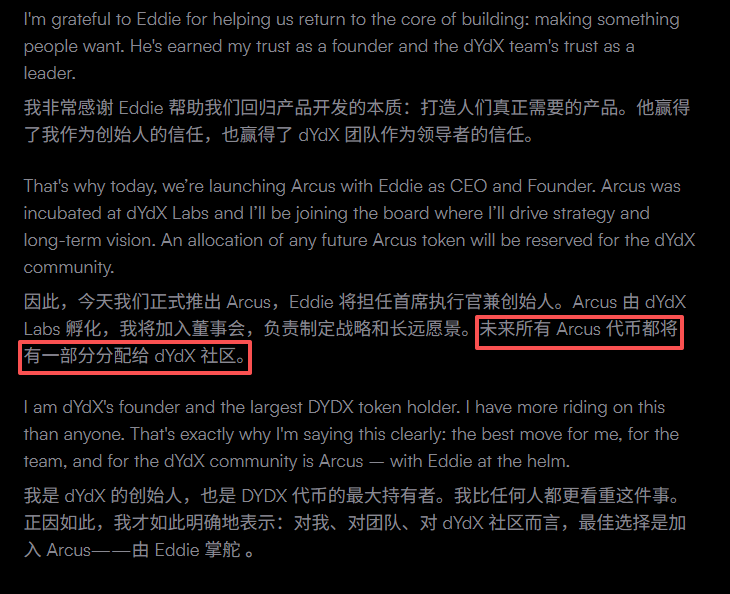
That is why the value leakage angle matters. If a project that could have reinforced dYdX Chain’s internal narrative instead builds closer to Robinhood Chain, the impact extends beyond symbolism. It affects how the market perceives the chain’s ability to hold onto builders, capture downstream usage, and preserve ecosystem compounding. Those are strategic considerations that often matter more than short-term reassurance statements.

What is confirmed, and what is not
Based strictly on the available source text, only a limited set of facts can be stated with confidence. First, Arcus has chosen Robinhood Chain. Second, dYdX leadership has publicly said that dYdX Chain will not stop operating. Third, the source frames the situation as one in which Arcus’ value contribution to the dYdX ecosystem is now being diverted rather than fully returned.

No additional operational metrics, user data, transaction figures, treasury impact, or token-market consequences were provided in the source. As a result, any stronger claims about financial damage, user migration scale, or long-term chain performance would go beyond the available facts. Source: Odaily. Original URL: https://www.odaily.news/zh-CN/post/5211697 .