
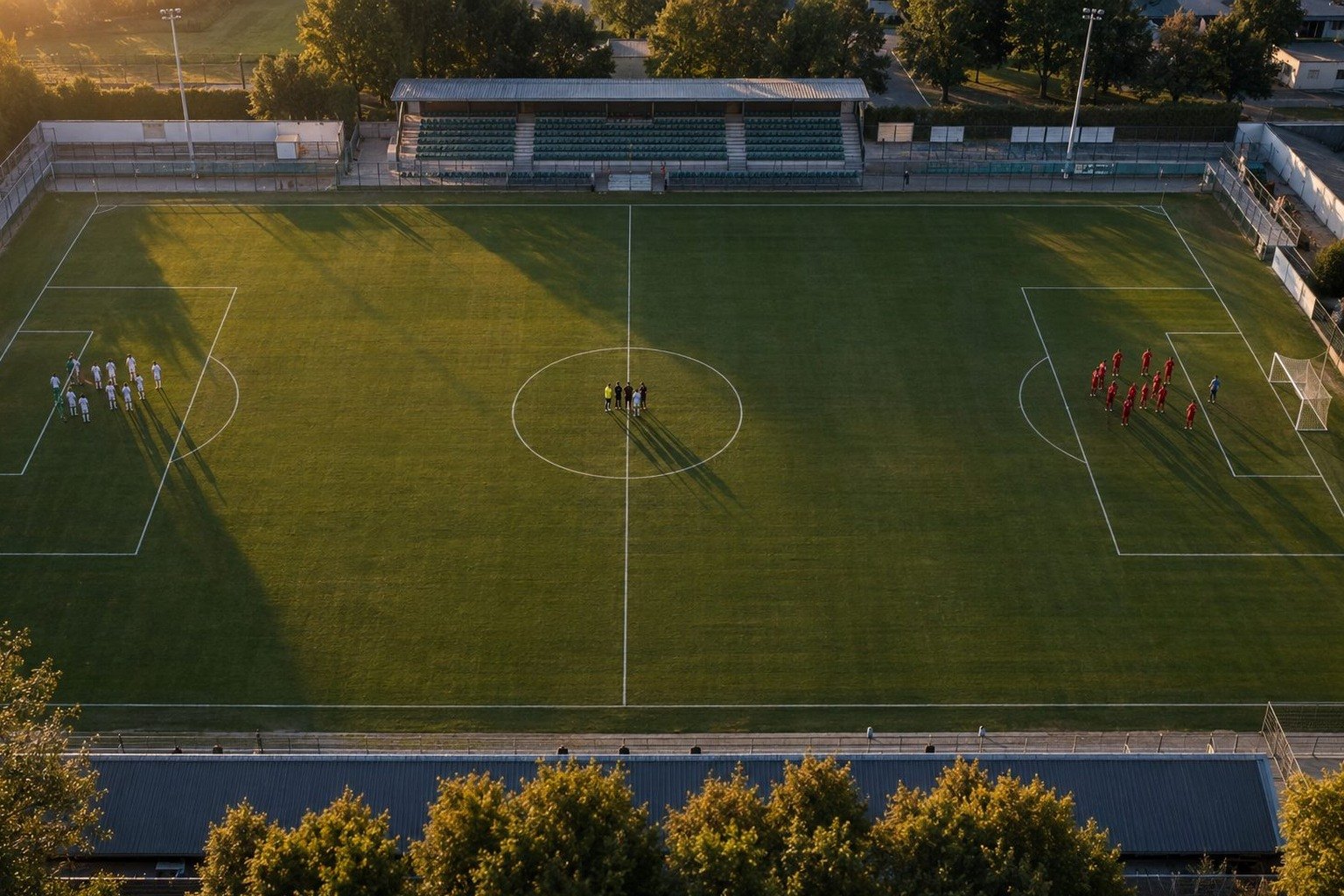
A cooling-off period is an IFAB trial that lets the referee suspend play so tempers can cool, confrontations can be prevented and player safety can be protected. It is available only to competitions without teams from the top two domestic leagues or senior 'A' international teams, so it cannot be used in the Premier League.
What the cooling-off period is for
The trial was approved at an IFAB Annual Business Meeting in December 2024. It is ongoing, with feedback collected from participating competitions. Certain on-field confrontations between players and team officials can threaten safety and match control. A formal cooling-off period gives referees a tool to pause play when tensions run high, allow emotions to settle before resuming, and encourage captains and coaches to promote proper conduct among their teams.
Under Law 5, the referee already stops, suspends or abandons the match for any offences or because of outside interference.
How the procedure works
Here is how a cooling-off period works.
| Step | What happens |
|---|---|
| Signal | The referee blows the whistle, raises both arms above the head and crosses the wrists, then uncrosses the arms and pushes them sideways at shoulder level |
| Players | All players must move to and remain in their own penalty area, or another safe area chosen by the referee; a player who fails to comply may be cautioned |
| Meeting | The captains, coaches and any approved officials meet the referee and assistants in the centre circle to hear the reason, the expected duration and how play will resume |
| Team officials and substitutes | They must remain off the field in the technical area, except one person who may provide drinks or assess or treat injured players |
| Length | The referee decides, based on the severity of the incident, the weather and safety |
| Restart | The captains are recalled to the centre circle; a short warm-up may be allowed |
| Limit | Two cooling-off periods per match at most; if conditions remain unsafe after two, the match is abandoned |
Signals, duration and abandonment
The referee starts the process with a whistle and the full arm signal. Players then go to their designated area, while the captains, coaches and any approved officials receive the reason for the suspension, the expected duration and the restart instructions in the centre circle.
The referee decides how long the cooling-off period lasts, taking account of the severity of the incident, the weather and safety. When play is ready to restart, the captains are called back to the centre circle, and a short warm-up may be allowed.
A match can have no more than two cooling-off periods. If conditions remain unsafe after two, the match is abandoned. The referee may also abandon a match without any cooling-off period if that is necessary.
Why it does not apply in the Premier League
The trial is available only to competitions without teams from the top two domestic leagues or senior 'A' international teams. That scope excludes the Premier League.
Entry into the trial also has a formal process. Competitions must apply to The IFAB through their national FA or confederation, and they must follow the protocol in full, with no variations unless IFAB gives written approval.
FAQ
Can a referee stop a match to calm players down?
Yes, in competitions taking part in the trial. The cooling-off period lets the referee suspend play to allow tempers to cool, prevent confrontations and protect player safety.
Law 5 also allows the referee to stop, suspend or abandon the match for offences or outside interference.
What does it mean when a referee crosses both arms above the head?
That is the opening part of the cooling-off period signal. In the full sequence, the referee then uncrosses the arms and pushes them sideways at shoulder level to direct players to the designated area.
For interference by non-participants, the referee may use that first part of the signal. For safety, players may then be sent to the changing rooms or the tunnel area instead of the penalty areas.
How many cooling-off periods are allowed in a match?
The maximum is two. If conditions are still unsafe after two, the match is abandoned.
A match may be abandoned without any cooling-off period if necessary.
Is there a cooling-off period in the Premier League?
No. The trial does not extend to competitions with teams from the top two domestic leagues, so the Premier League is outside the permitted scope.