
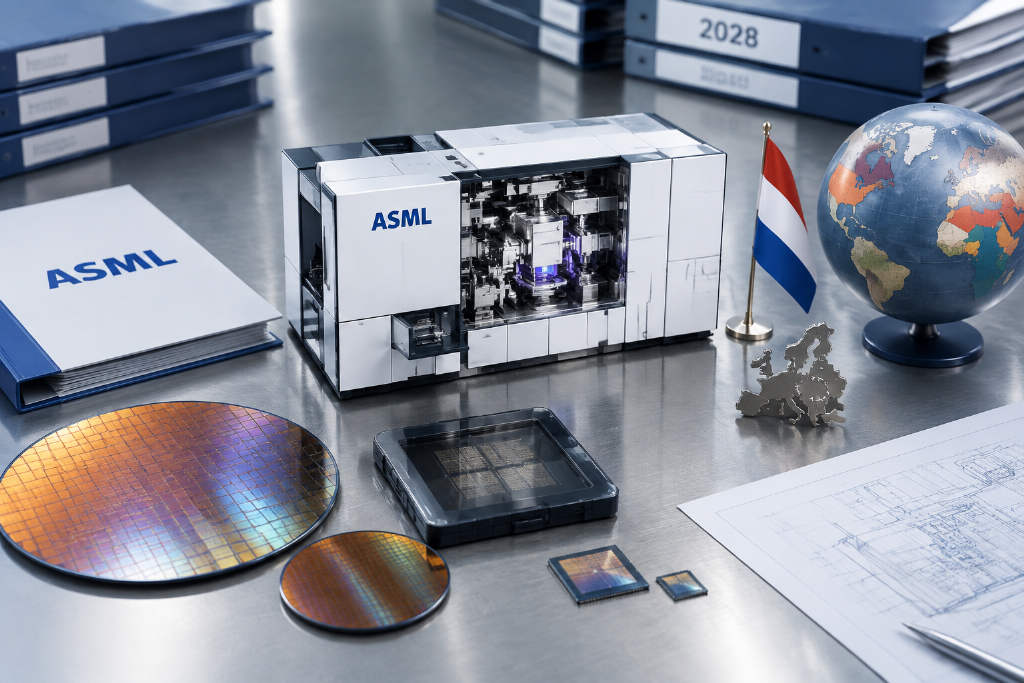
ASML Chief Financial Officer Roger Dassen said on a recent call that the company has "almost no sales" in Europe, adding that Europe risks falling further behind as other countries invest heavily in domestic semiconductor capacity. He also said the U.S. has asked whether half of ASML’s R&D could be moved there, while China and India have been actively inviting the company.
ASML, based in the Netherlands, is the world’s only supplier of EUV lithography systems, yet the report says none of its European customers are chipmakers buying those machines.
ASML’s EUV pipeline is booked years ahead
According to the source text, ASML’s EUV tools are priced at roughly $150 million to $300 million per machine, while next-generation High-NA systems have already been quoted at $400 million each.
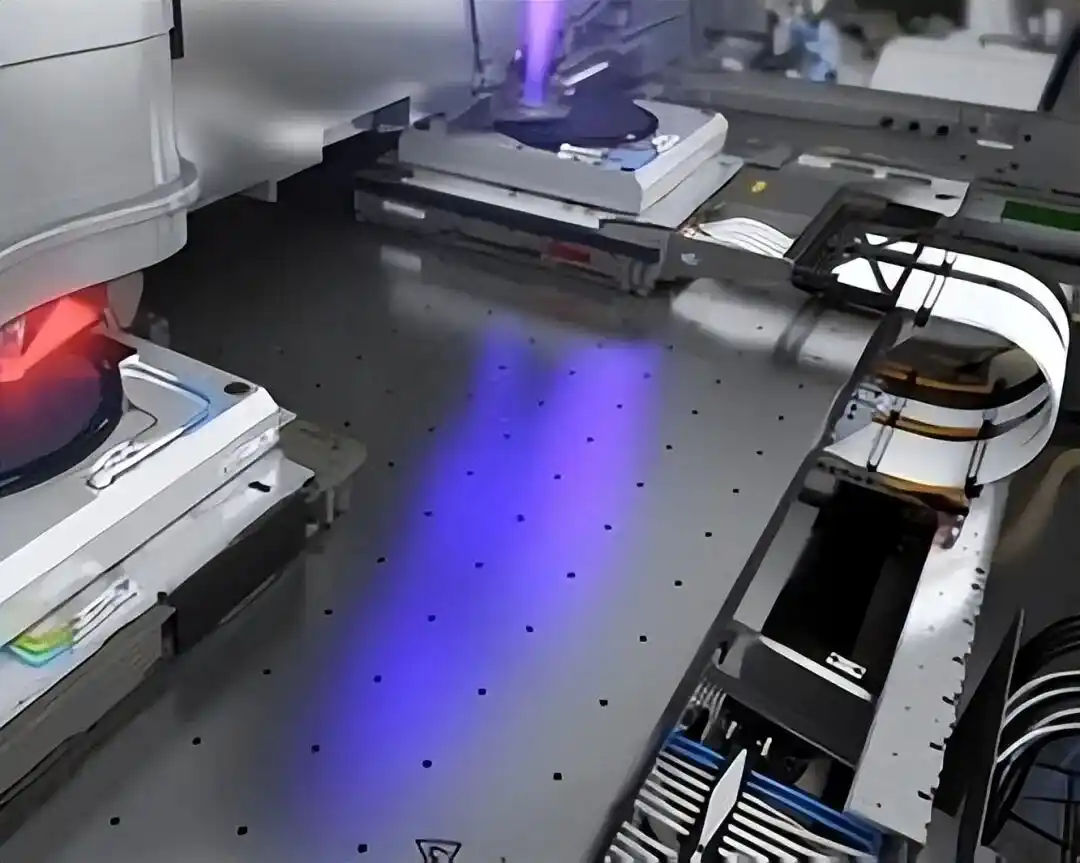
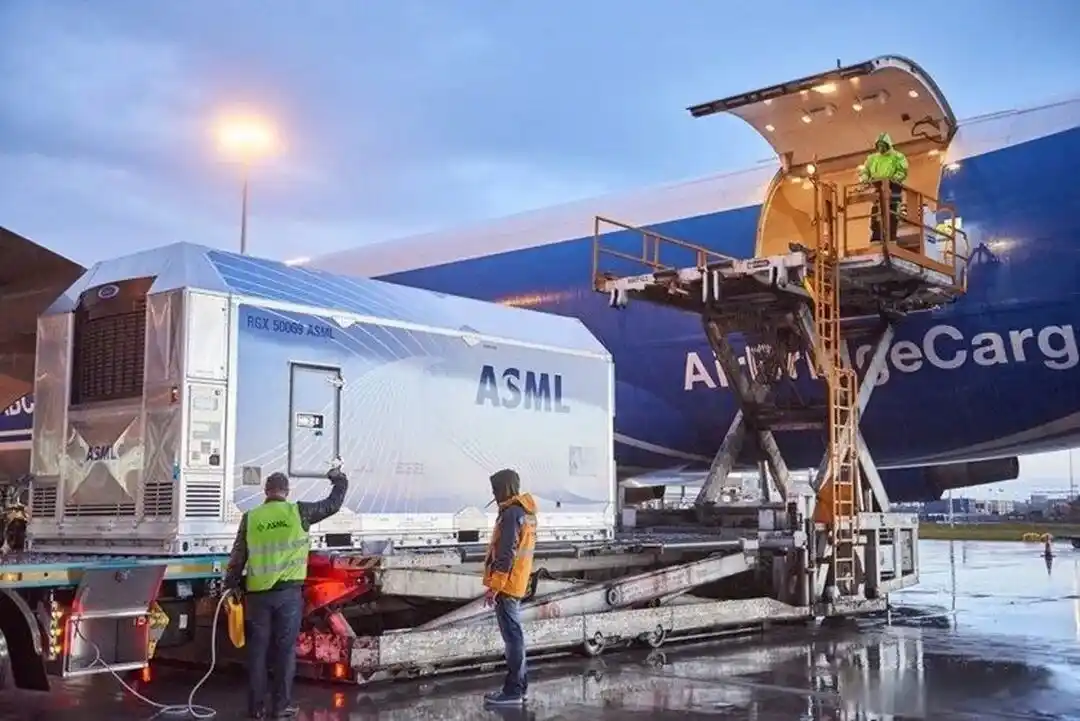
The article describes an EUV machine as one of the most complex and expensive standalone industrial systems ever built. It says a single unit includes 100,000 parts, 3 kilometers of piping, and hundreds of thousands of sensors. Shipping requires a modified Boeing 747 cargo aircraft, and installation and calibration at a fab can take a full year.
The report identifies Taiwan Semiconductor Manufacturing Co. (TSMC), Samsung Electronics, and Intel as the only chipmakers able and willing to buy and run EUV systems at scale. It says those three companies have effectively locked in ASML’s production for the next three years.
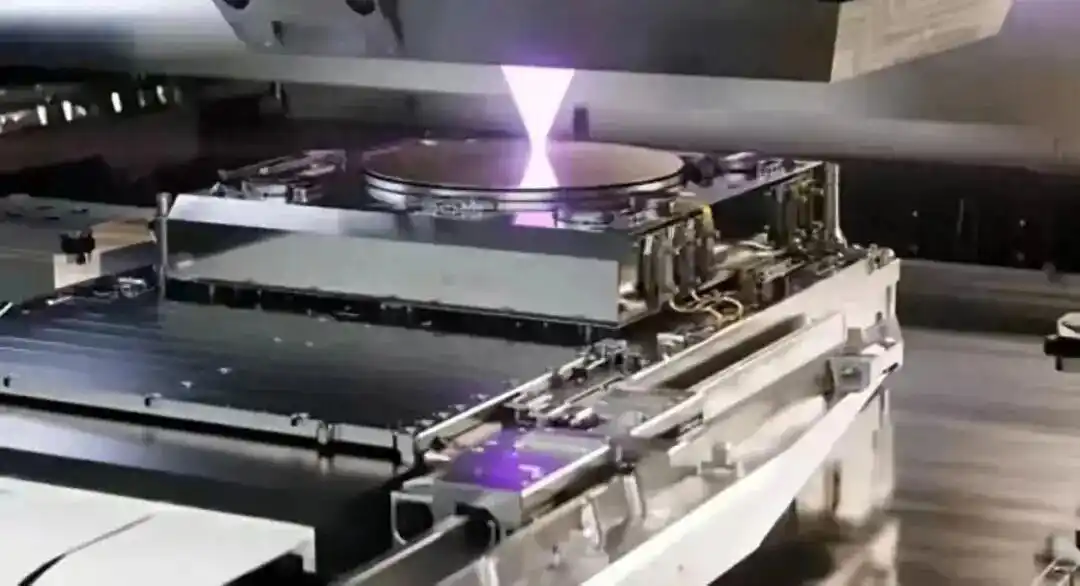
ASML has said it plans to deliver about 65 Low-NA EUV systems in 2026 and has raised its full-year net sales guidance to €43 billion to €45 billion. For 2027, EUV production is said to be close to fully booked, with capacity set to expand 30% to 85 units. A meaningful number of orders have already been placed for 2028.
The company’s immediate challenge, the article says, is not demand but build time: it wants to cut the production cycle for each machine from 22 weeks to 15 to 16 weeks. Even in that seller’s market, the number of EUV systems sold in Europe stands at zero.
Europe has chip companies, but not the kind that need EUV
The article says Europe is home to ASML, Belgium-based imec, Infineon, NXP, and STMicroelectronics, but argues that these companies largely operate in segments that do not require EUV tools.
Infineon focuses on automotive power semiconductors built on mature processes such as 28 nm and 40 nm, according to the report. NXP’s automotive microcontrollers also rely on mature-node production. STMicroelectronics makes sensors and power devices, which the article says are typically produced using older immersion DUV lithography tools that cost tens of millions of dollars per unit.
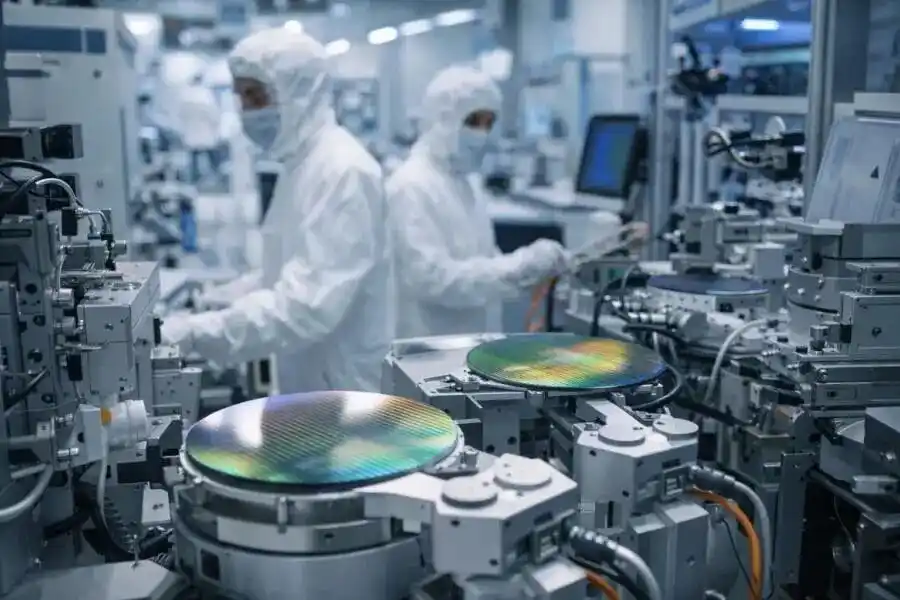
Those orders are too small to register meaningfully in ASML’s global revenue, the article argues, especially when compared with customers such as TSMC and Samsung that may buy dozens of EUV systems.
What does require EUV, according to the piece, is advanced logic at 7 nm and below. It names Apple A-series chips, Nvidia H100 and B100 GPUs, AMD EPYC server CPUs, and Qualcomm flagship smartphone SoCs as examples. The article says Europe does not have domestic chip companies in those categories.
It adds that Europe’s chip design base is still concentrated in automotive, industrial, and power-device businesses. Those segments can produce stable profits and cash flow, but they do not need the most advanced process technology. Without advanced chip designers, there is no strong demand for advanced foundry capacity; without advanced foundries, there is no reason to buy EUV systems.
That, the article says, is the core reason ASML has no EUV sales in Europe: the region lacks fabs where those machines would actually be used.
EU Chips Act faces a hard reality check
The report says Europe is aware of the problem. In 2023, the European Union passed its Chips Act with a total package of €43 billion and set a goal of raising Europe’s share of global chip manufacturing capacity to 20% by 2030.
But in April 2025, the European Court of Auditors issued a special report calling that target "very unlikely." The article also says members of the European Parliament, in written questions, cited an internal assessment suggesting the actual share may end up at only 11%.
According to the source text, the auditors found that much of the €43 billion in support had flowed to pilot lines and competence centers, meaning laboratories, research centers, and pilot production facilities. Of 13 potential mass-production fab projects, only four had been approved.
The article argues that Europe directed too much money toward research while expecting the market to produce full-scale factories on its own. Chip manufacturing is a scale business, it says. A leading-edge fab starts at about $20 billion in investment, and without orders worth tens of billions of dollars, unit economics cannot match TSMC.
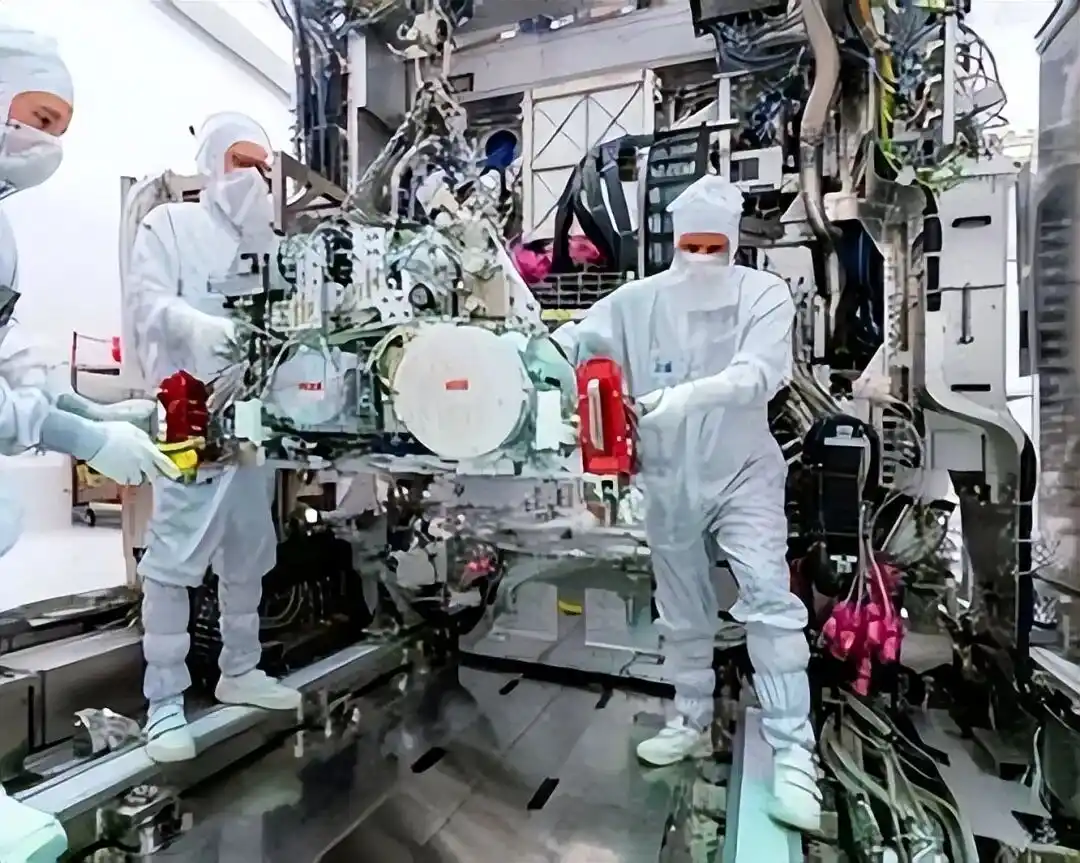
It cites imec as one of the world’s leading microelectronics research centers and says the gap between clean-room research and a high-volume fab remains hard to bridge because of policy, capital, and customer constraints.
Factory plans in Europe have struggled to gain traction
The article points to Intel’s projects as examples. In 2023, Intel announced plans to build an advanced wafer fabrication plant in Magdeburg, Germany, backed by nearly €10 billion in subsidies from the EU and German government.
By 2024, however, the report says Intel had concluded that cost overruns, high electricity prices, and slow construction had undermined the plan. The project was cut back to a smaller packaging and testing facility, putting that subsidy package at risk of being wasted.
It gives another example from Intel’s site in Leixlip, Ireland. That facility had been expected to adopt the Intel 4 process, but the article says weak demand for Intel’s foundry business left the project delayed again and again.
The underlying issue, in the report’s view, is that Europe does not have enough local chip design firms to fill those factories with orders. When TSMC built in Arizona, it had Apple, Nvidia, and AMD lined up as customers.
By contrast, companies such as Volkswagen and Siemens do not use enough chips each year to support a leading-edge fab in Germany, the article says. It describes the situation as circular: without design companies, there are no fab orders; without fabs, design companies are harder to attract.
ASML’s concern at home
The article says ASML’s headquarters remain in the Dutch city of Veldhoven, with its R&D center in Eindhoven, but the company’s next five years will be shaped less by European subsidies than by whether TSMC, Samsung, and Intel keep expanding and whether Europe can build a domestic industrial base of its own.
It frames Dassen’s remark about Europe having no sales as a strategic vulnerability. ASML is the only EUV supplier today, but the article argues that no industrial technology monopoly lasts forever. If another lithography path eventually emerges and major customers shift to it, ASML would need a fallback market closer to home.
Right now, the piece says, Europe offers no such base. There is no advanced domestic fab network and not even a single local foundry ecosystem capable of absorbing EUV demand at scale.
The article concludes that Europe spent decades building the world’s most advanced lithography company, yet still failed to create a home market for its most advanced machine. In the source text’s telling, that is not something a €43 billion subsidy program can solve on its own. It would require a broader ecosystem that includes chip designers, foundries, consumer electronics brands, AI compute demand, and venture capital.
The original article was published via the WeChat public account Redian Weiping (ID: redianweiping) and was written by Wang Xinxi.