
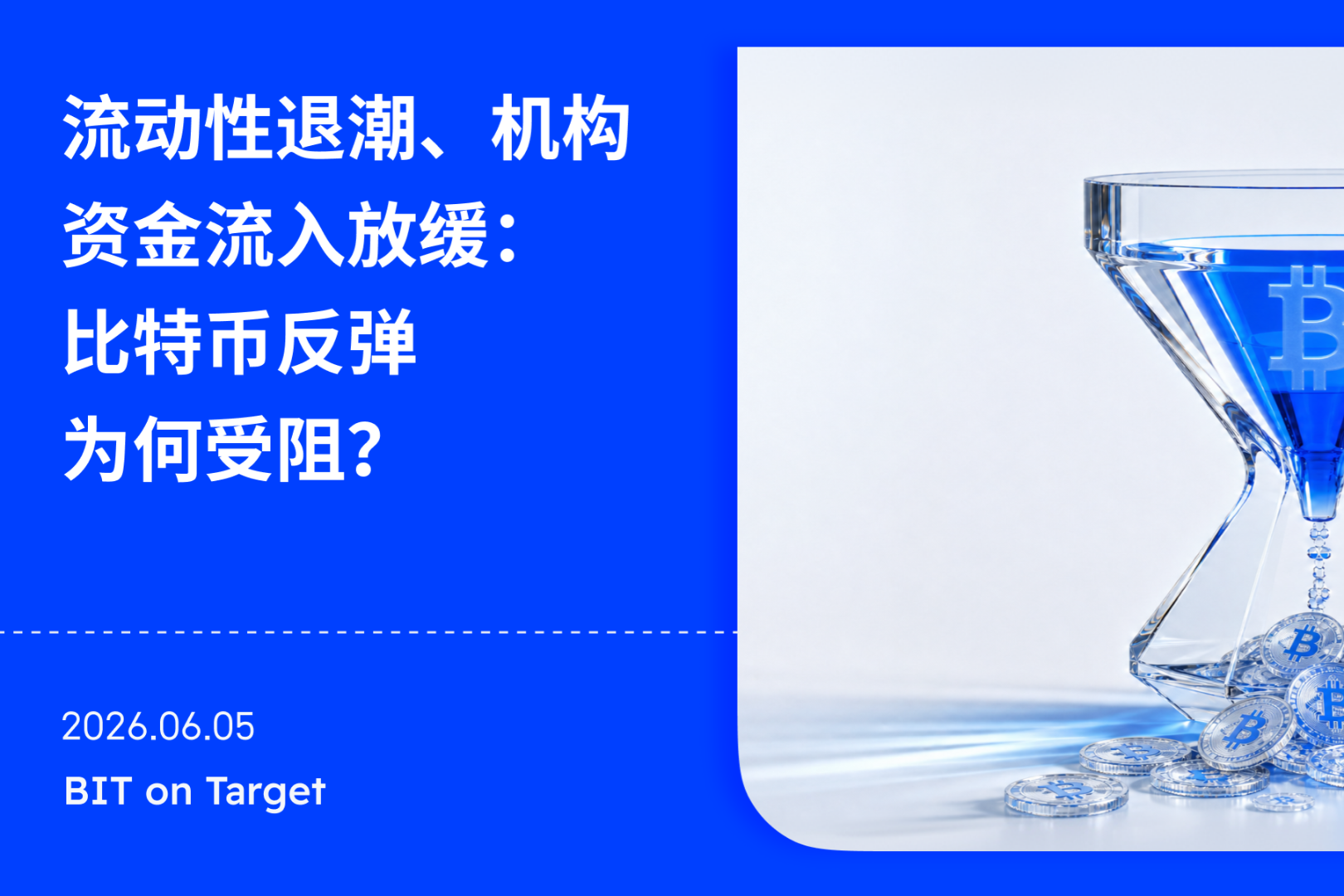
The crypto market is currently undergoing a macro-driven repricing phase dominated by inflation and interest rate expectations. For over a decade, Bitcoin thrived in an environment of loose liquidity and low inflation, reinforcing its narrative as a hedge against currency debasement. But as institutional capital continues to pour in, Bitcoin's pricing logic is shifting — it is becoming increasingly sensitive to rate expectations and capital flows.
Bitcoin's recent softness does not reflect a deterioration in its own fundamentals. Rather, the two core engines that powered this bull market are both losing steam. On one side, market expectations for Federal Reserve rate cuts have been steadily revised downward; on the other, incremental buying from Bitcoin spot ETFs and Strategy (formerly MicroStrategy) has visibly decelerated. Under this dual pressure, the path higher for Bitcoin faces growing resistance, and its next move hinges on the trajectory of inflation and Fed policy.

Inflation Trajectory and the Reversal of Rate-Cut Expectations
Massive fiscal stimulus after the pandemic altered the monetary transmission mechanism. Liquidity not only inflated asset prices but also flooded into the real economy, eventually fueling a sharp rise in inflation roughly 18 months later. By June 2022, U.S. CPI hit 9.1%, then steadily declined, touching 2.4% in September 2024. Markets priced in aggressive rate cuts, providing crucial macro support for Bitcoin's rally.

That narrative began to unravel in late 2024. As fears of rekindled inflation grew, rate-cut expectations for 2025 collapsed from nearly six cuts priced in September 2024 to virtually zero by January 2025. A brief recovery to about 2.6 cuts was quickly unwound when CPI again approached 3%. On May 12, 2026, the reported CPI came in at 3.8%, and markets even started pricing roughly 1.8 rate hikes — a complete reversal of the prior dovish outlook.
Equities can partially absorb higher inflation via nominal revenue and earnings growth, but Bitcoin has no cash flows to lean on. This makes it acutely sensitive to changes in interest rate expectations. Whenever markets reprice a higher rate path, Bitcoin tends to bear the brunt of the selling pressure.

ETFs and Strategy: Two Engines Losing Power
Spot Bitcoin ETFs were the single most important source of incremental demand in this cycle. Since expectations of ETF approval began building in 2023, institutional flows have been the dominant force driving prices. But as the Fed's stance turned more hawkish, inflows slowed markedly. Entering 2026, Bitcoin ETFs saw persistent net outflows, signaling a clear decline in investor appetite.

Following the May 12 CPI print, outflows accelerated sharply, with cumulative outflows reaching about $4.3 billion. In the ensuing 15 trading days, 14 recorded net selling, underscoring institutional caution in a high-inflation environment. Meanwhile, Strategy and Bitcoin ETFs together have now accumulated roughly $110 billion worth of Bitcoin, but Strategy's remaining capacity to add is narrowing, weakening its role as the second major buying engine.
Pressure on Bitcoin and the Road Ahead
With ETF inflows at a standstill, institutional allocation appetite waning, and Strategy's buying momentum decelerating, the two pillars that lifted this bull run are clearly cooling. Bitcoin's near-term recovery thus faces stiffer headwinds, and its short-term trajectory will remain heavily dependent on inflation readings and Fed policy signals.

The primary challenge Bitcoin now confronts is not internal but macro-driven. The loose-liquidity and rate-cut expectations that once provided powerful tailwinds are receding, and institutional money remains guarded against elevated inflation and higher rates. As long as inflation stays elevated, Bitcoin is likely to remain in a consolidation phase. However, looking at historical cycles, inflation will eventually peak. Once inflation turns lower and rate-cut expectations rebuild, institutional flows could return, setting the stage for a more forceful recovery in Bitcoin.

Some views above are from BIT on Target. Contact BIT for the full report.