
2010 was a watershed year for Bitcoin. It transitioned from a niche cryptographic concept among cypherpunks into a functioning "trust machine" that began to grapple with real-world dynamics: price discovery, commercial adoption, security incidents, miner organization, and public political pressure.
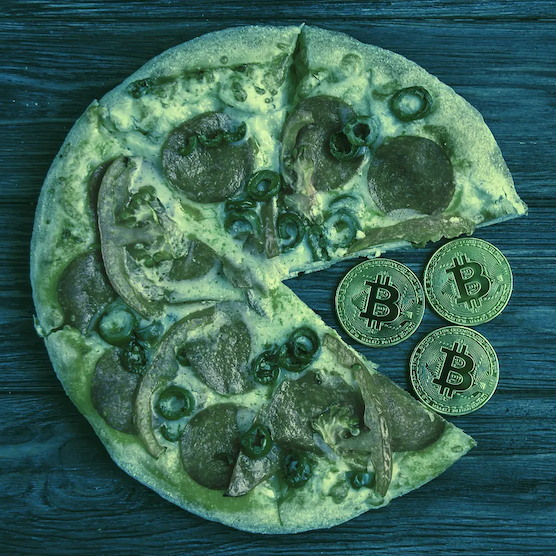
In terms of price, Bitcoin went from near-zero value to being implicitly valued at approximately $0.003 through the famous pizza transaction on May 22. By the end of 2010, the price had risen above $0.50, signaling initial market recognition. On the commodity front, a handful of merchants began accepting Bitcoin as payment, setting a precedent for future payment use cases. Security incidents surfaced in August 2010 when a critical integer overflow bug allowed an attacker to create 184 billion bitcoins out of thin air. The bug was rapidly patched, but it highlighted the fragility of the early codebase.
Mining organization took a leap forward with the introduction of the first major mining pool, Slush Pool, in late 2010 (its official launch came in December), shifting mining from solo endeavors to collaborative efforts. Political pressure began to loom as governments and regulators—including U.S. senators and European financial watchdogs—started publicly discussing Bitcoin's legal and tax implications. In December, Satoshi Nakamoto posted his final public message on the Bitcointalk forum and then disappeared permanently, handing over the project to a core team led by Gavin Andresen.
Each of these events in 2010 pushed Bitcoin from an "interesting experiment" toward a credible global network, laying the groundwork for the explosive growth and challenges of the following decade.