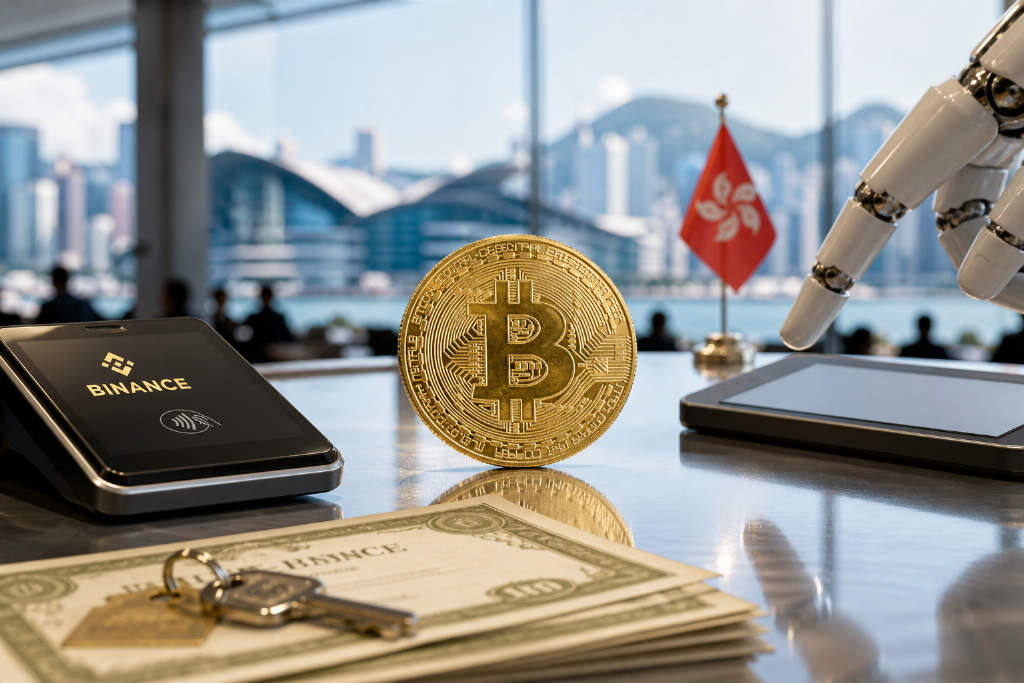
Bitcoin Asia 2026 in Hong Kong put two very different narratives on display. Inside the Hong Kong Convention and Exhibition Centre, discussion centered on corporate treasury allocation, sovereign reserve assets and stablecoin regulation. Outside the venue, online trends were dominated by "Sun Yuchen Jing Tian" and a same-name meme coin that jumped 14283% overnight, according to Foresight.
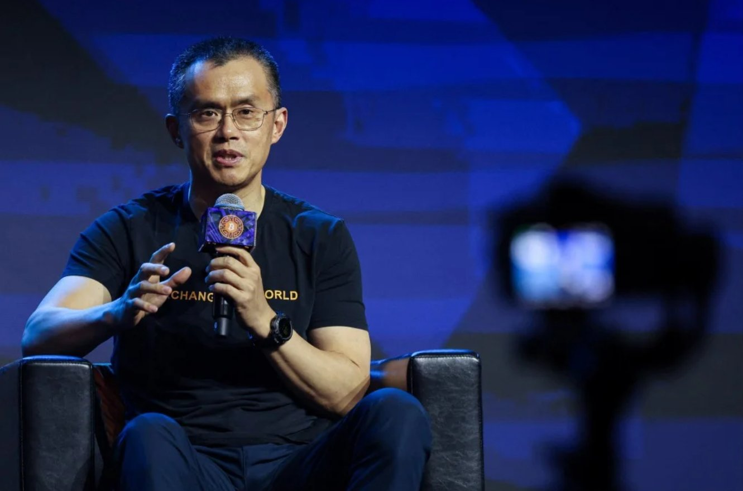
The article argues that the more important takeaway came after the event ended: crypto is spending less time asking when prices will rise and more time asking how these networks and assets are actually being used.
CZ ties Bitcoin’s next chapter to payments and reserves
Foresight said the conference marked CZ’s first public speech at a major crypto event in Asia since his release in 2024. In a 30-minute presentation titled The Bitcoin Century, he laid out a shift in framing: move the Bitcoin narrative from how much it can rise to what it can do.
On price, CZ said $1 million is inevitable and that it would not take 25 years. He followed that with a different emphasis. Utility matters more than price, he said, and payment use needs to scale in a real way, while pension systems should treat Bitcoin as a reserve asset.
He also said the gap between Bitcoin and gold is now only 10x. Looking ahead to the next wave of users, CZ said billions of AI agents will eventually trade and settle automatically, likely using crypto as their money and likely starting with stablecoins.
Foresight summed up those points as a single direction: Bitcoin is moving from "digital gold" toward a global settlement layer.
RWA is shaping up as a main channel for new capital and users
At the side event CDDJAP forum, Wang Yang, vice president of the University of Hong Kong, made the case in direct terms: "Regulation should serve a real market that already exists, rather than create rules that drive market participants away."
The article distilled that into a practical requirement. Once assets move on-chain, they still need custody, trading, clearing and financing. Liquidity comes first.
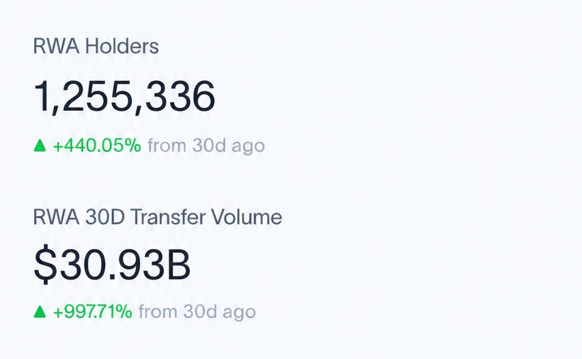
Foresight cited a tokenized RWA market worth about $29 billion to $33 billion, more than $13 billion in tokenized U.S. Treasuries, and a stablecoin market above $320 billion.
It also cited BNB Chain data showing roughly 1.25 million RWA holders, up 440% over the past 30 days. On that basis, the article said RWA is becoming a core gateway for incremental users and capital entering crypto markets.
Hong Kong’s role in that process was described clearly. The city has already established regulatory frameworks for virtual assets and stablecoins, and is becoming a testing ground for RWA deployment in Asia-Pacific. The next task, the article said, is to build a full loop linking issuance, custody, trading, clearing and financing.
AI agents need payments, and the article says crypto fits that job
Across the main event and side events, "AI Agent" appeared almost as often as "Bitcoin," according to the report.
The article focused on a basic operational question. If an AI agent needs to call another service automatically, buy a set of data, or complete a settlement on its own, what does it use to pay? Its answer was blunt: not a bank card, not Alipay, because an agent cannot hold those accounts in the usual way. "It can only use Crypto."
That makes crypto useful in a specific setting. Cooperation and transactions between AI agents need a settlement network that runs 24/7, can be programmed and does not require manual authorization. Foresight said that is exactly where crypto assets are strongest.
Binance Research data cited in the article showed that more than 20,000 AI agents are already active on-chain, managing wallets independently, running DeFi strategies and even issuing tokens.
Clear rules remain the condition for institutional money
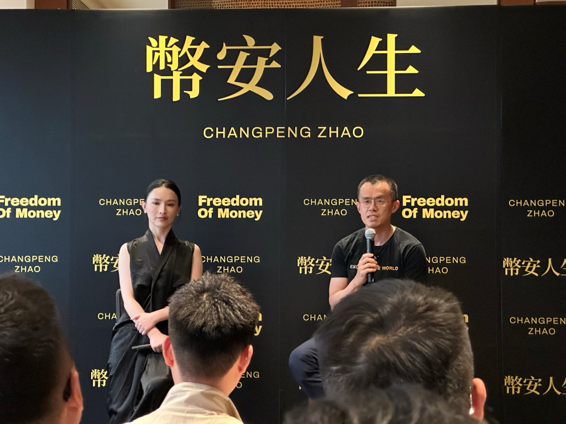
During a Q&A session, CZ said: "I paid the price, learned the lesson, and moved forward." Foresight said that remark was widely seen at the venue as one of the most weighty statements of the session.
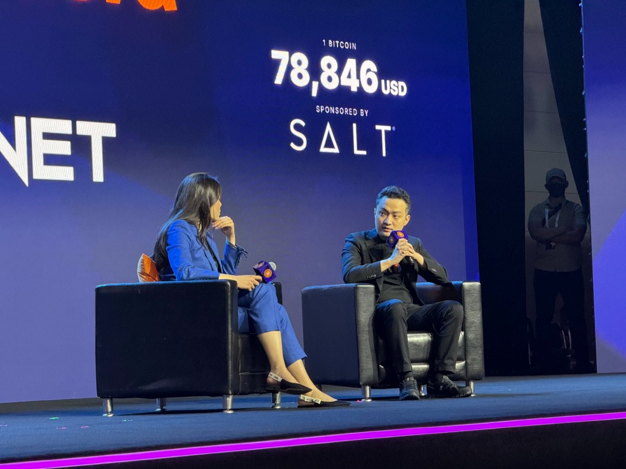
His policy suggestions to governments were specific: build crypto regulatory frameworks, establish crypto reserves, issue stablecoins and push asset tokenization.
By region, the article said the United Arab Emirates is ahead on regulation, the United States has made more progress on stablecoins and exchange regulation, and Japan and Hong Kong are moving quickly as well. The conclusion was straightforward: institutional capital enters when the rules are clear.
A shift in how the industry measures value
Foresight closed by saying the conference pointed to a broader change in the industry’s value standard. The market is moving away from judging who tells the most compelling story and toward judging whose product is actually being used.
The article said the market spent the past few years paying for narratives such as the metaverse, Web3 and AI plus crypto, with valuations built largely on expectations. The signal from Bitcoin Asia 2026, it argued, is that the market no longer needs to rely on what might happen in the future to justify value. Real products, real capital and real users are already operating inside actual workflows.
The original article also carried a disclaimer saying markets involve risk and the piece does not constitute investment advice. Readers should decide whether any opinion, view or conclusion fits their own circumstances and bear responsibility for investment decisions made on that basis.